
Are Water Shoes Worth It? A No-Nonsense Guide for UK Beach Days
Water shoes sit in that awkward space between 'obviously useful' and 'will I ever actually wear these?' We break down when they earn their place in your beach bag -- and when flip-flops will do the job just fine.
SHOPTHIVA Editors
Quick Takeaways
If you are scanning this on the way to the beach: water shoes make sense if you are heading somewhere with rocks, pebbles, sharp shells, or slippery surfaces. For flat sandy beaches in calm water, regular sandals or bare feet are fine.
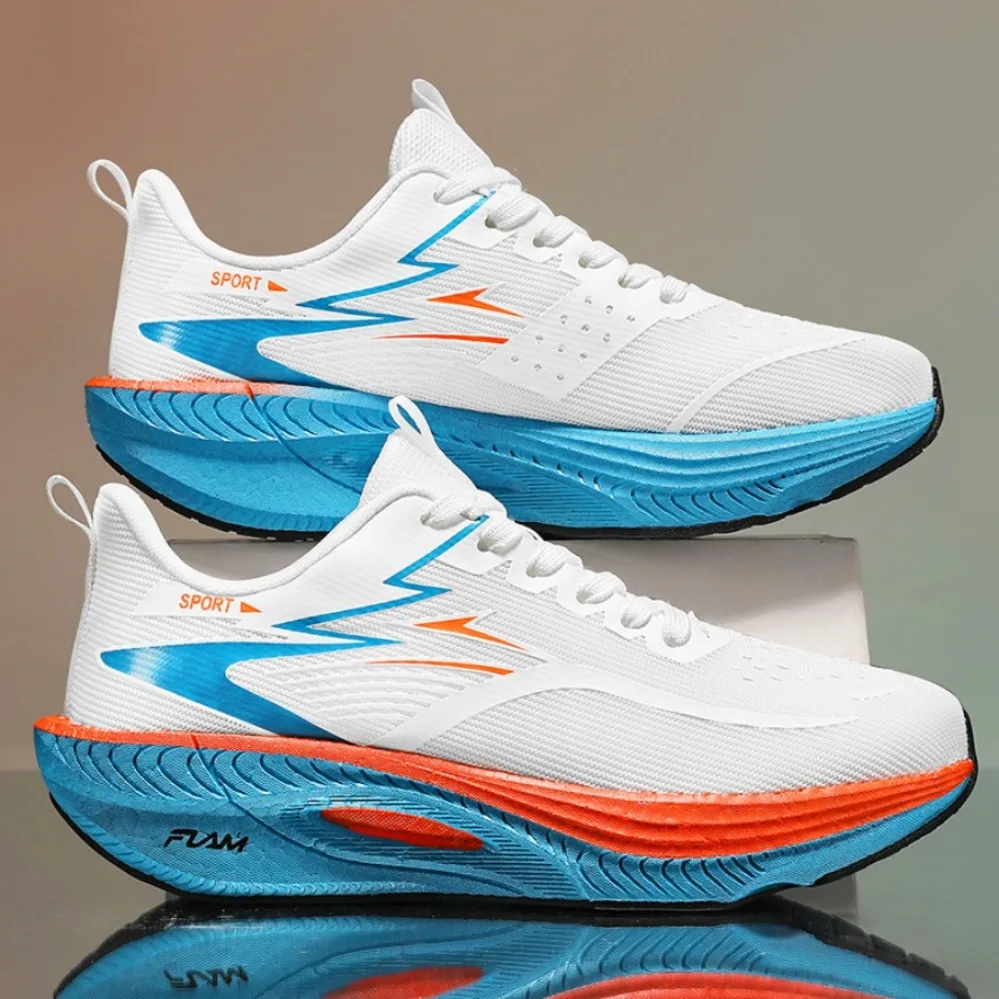
The pair we are looking at today costs £16.99, weighs almost nothing, and dries fast enough to throw straight back in your bag. It is not a replacement for proper walking shoes -- but it does one specific job well.
Here is what we will cover: what water shoes actually are, why flip-flops fail on UK beaches, what features matter at this price, and an honest verdict on whether they are worth it.
What Water Shoes Actually Are (and What They Are Not)
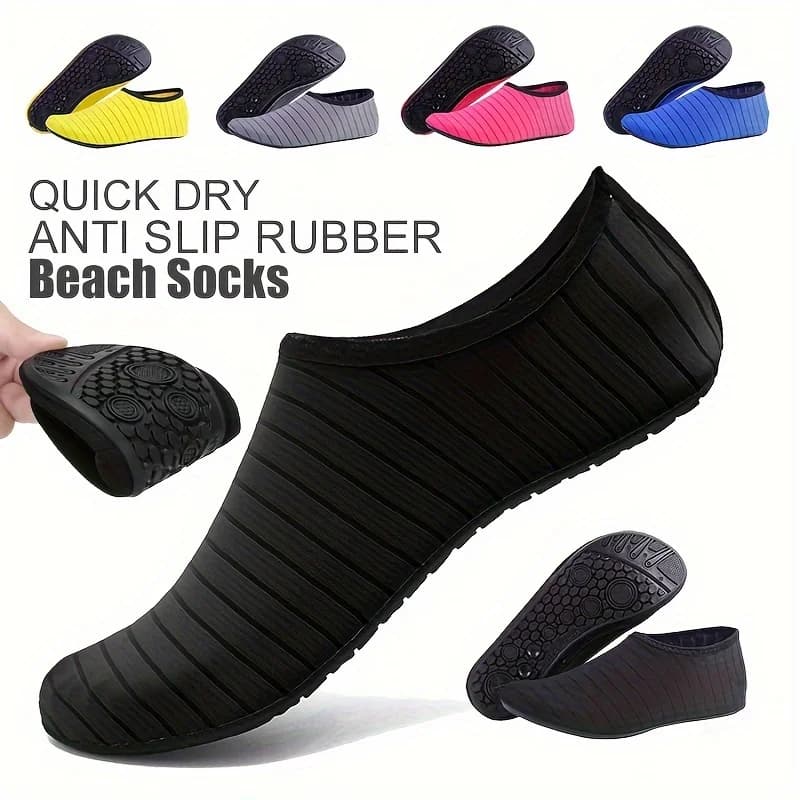
Water shoes are a hybrid: part swim sock, part trainer, part sandal. They typically have a stretchy mesh or fabric upper that drains water instantly, a thin rubber sole with grip tread, and an elasticated collar that keeps them on your foot in moving water.
They are not hiking shoes. The sole on a £20 pair is thin -- you will feel every pebble, and that is by design. The point is ground feel and grip on wet surfaces, not cushioning for a five-mile coastal walk.
They are also not replacement trainers for watersports. If you are kayaking or paddleboarding, water shoes protect your feet launching and landing. But they will not give you ankle support if you take a tumble on rocks.
Think of them as a better barefoot: protection from cuts and scrapes without the bulk of a proper shoe. For scrambling over barnacle-covered rocks at low tide or wading into a pebble beach, that is exactly what you want.
Why Flip-Flops Do Not Cut It on Rocky UK Beaches
If your beach experience is Bournemouth sand and a gentle paddle, stop reading. But most UK beaches are not that. Devon's pebble coves, Cornwall's rock pools, the Jurassic Coast's limestone shelves -- these are gorgeous and absolutely brutal on bare feet.
Flip-flops fail in three specific ways on this terrain. First, they slide off. A wave pulls back and your flip-flop goes with it. You are now hopping on one foot on sharp rocks, which is exactly as dignified as it sounds. Water shoes stay on because they wrap around your heel.
Second, zero grip when wet. The flat foam sole of a flip-flop turns into an ice rink on wet seaweed or algae-covered rock. Water shoe soles use siped rubber tread -- the same principle as barefoot-running shoes -- to channel water away and maintain contact.
Third, no protection on the sides or top. Flip-flops leave your toes completely exposed. One misstep onto a sharp shell or weever fish spine and your day is over. Water shoes cover the whole foot in a thin but puncture-resistant layer.
What to Look for in a Pair Under £25
The sub-£25 water shoe market is crowded, and most pairs look identical in listing photos. Here is what actually separates a useful pair from one that disintegrates after two wears.
Sole quality comes first. Look for actual rubber -- not hard plastic that looks like rubber in a photo. A proper rubber sole flexes when you bend it and grips wet rock. The pair we have here uses a moulded rubber outsole with a wavy tread pattern designed to shed water rather than trap it.
Drainage matters more than you think. Good water shoes have multiple drainage ports in the sole and mesh panels in the upper. Water needs to exit as fast as it enters, otherwise you are walking in heavy, squelching socks. These drain in under a minute out of the water.
Weight and packability. A decent pair weighs under 300g and scrunches down to the size of a tennis ball. That means they live permanently in your beach bag or car boot rather than becoming another thing you forget to pack.
Fit is unforgiving. Most water shoes come in whole sizes and the stretchy upper means a slightly snug fit works better than a loose one. A shoe that is too big will slide around when wet and rub -- and wet-skin blisters form faster than dry ones.
When Water Shoes Earn Their Place (and When They Stay Home)
Let us be honest about where these actually earn their £16.99.
Worth it: rock-pooling with kids on a Cornish beach, launching a kayak from a pebble shore, wild swimming entries where you cannot see the bottom, paddleboarding from a stony put-in, any beach holiday where the shoreline is more shell than sand. Also worth considering if you or someone in your group has athlete's foot concerns -- water shoes provide a barrier in shared shower blocks and changing rooms.
Not worth it: a day on soft sand in calm water, pool-only holidays, or if you already own a pair of sturdy sandals with a heel strap that you are happy to get wet. Water shoes are a specialist item -- they do one job well and collect dust when that job is not needed.
For most UK families who visit the coast regularly, the use case comes up more often than you would think. Rocky beaches are the norm here, not the exception. At £16.99 and the size of a tennis ball, the bar for 'worth it' is low.
Featured in this article
Frequently asked questions
Can you wear water shoes for walking long distances?
No. Water shoes have thin, flexible soles designed for grip on wet surfaces, not cushioning for miles of hard ground. They are fine for scrambling around a rocky beach or walking from the car park to the shore, but they are not a replacement for walking shoes or trainers.
Do water shoes actually dry quickly, or do they stay damp all day?
A good pair with mesh uppers and drainage ports dries in 15-30 minutes in sunshine. If you are in and out of the water repeatedly they will stay damp, but they will not stay heavy and waterlogged like a canvas shoe. Shake them out after use and they will be dry by the time you get home.
What size should I order in water shoes?
Most water shoes come in whole sizes. The stretchy upper means a snug fit is better than a loose one -- a shoe that is too big will slide when wet and cause blisters. If you are between sizes, go down rather than up. Check the specific size chart for the pair you are buying.
Are water shoes suitable for kids?
Yes, and they are arguably more useful for children than adults. Kids run on rocks, stub toes on shells, and do not watch where they are stepping. Water shoes give them grip and protection without the weight of sandals. Just check the sizing carefully -- kids grow fast and a too-small water shoe is uncomfortable when wet.
Product gallery
Further reading