

Staying Fit Over 40: What the Protein Research Says About Training as You Age
New research on protein intake is changing how we think about staying strong past 40. The right gear matters too.
SHOPTHIVA Editors
Your Body Changes. Your Training Should Too.
Somewhere around 40, things shift. You might notice recovery takes longer. The same workout that left you buzzing at 30 now leaves you stiff for three days. That is not failure. It is biology doing what biology does.
Muscle mass starts to decline from about age 30 onwards, dropping roughly 3 to 8 per cent per decade. The good news is that research keeps getting clearer on what actually slows this down. And it is simpler than most people think.
What the Protein Research Actually Found
The latest studies on protein intake and ageing point to something practical: older adults need more protein per meal than younger ones to trigger the same muscle-building response. Where a 25-year-old might get by on 20 grams of protein post-workout, someone over 40 may need closer to 30 to 40 grams to get the same effect.
Researchers call this anabolic resistance. The body becomes less efficient at using dietary protein for muscle repair. It is not that you cannot build or maintain muscle past 40. You absolutely can. You just need to be more deliberate about it than you were at 25.
The takeaway is not complicated: spread quality protein across your meals, aim for the higher end of the intake range, and do not skip the post-training window. Combine that with consistent resistance work, even bodyweight exercises, and you are doing more for your long-term health than most supplements ever will.
Show Up in Something That Works
None of this research matters if you are not actually training. And one of the biggest obstacles to consistent training past 40 is simple discomfort. If your leggings roll down during squats or your top digs in during a stretch, you are less likely to go back tomorrow.
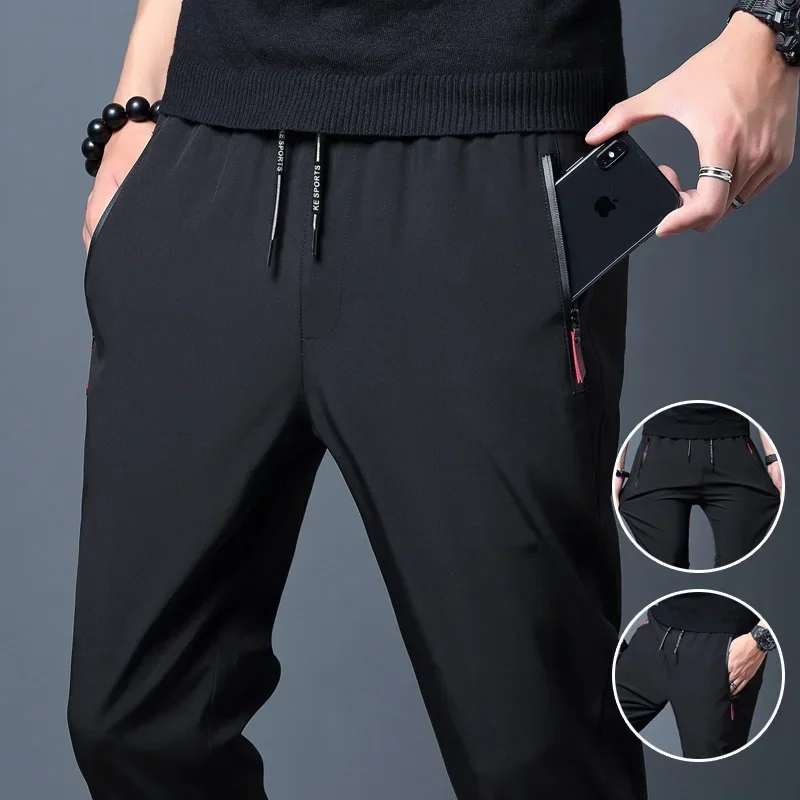
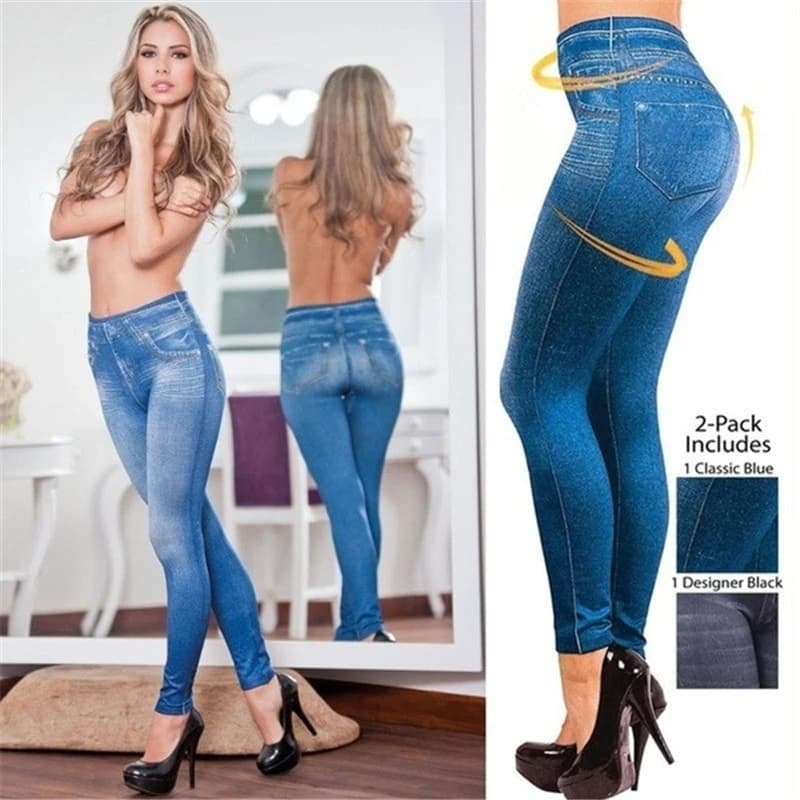
That is where good activewear earns its price. Our high-waisted faux denim leggings stay put through lunges, squats, and stretches. The compression gives enough support without feeling like you are wrapped in cling film. Elastic pockets mean your phone stays secure. No more tucking it into your waistband.
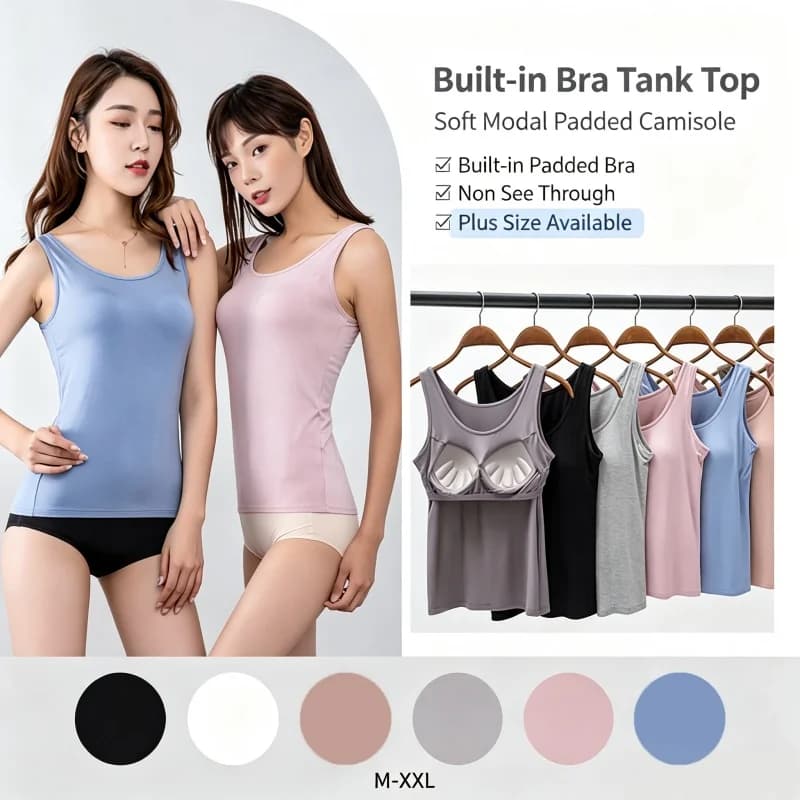
Pair them with a vest top that has a built-in bra and suddenly getting dressed for a workout takes 30 seconds. Less friction between you and your training session means more sessions actually happen.
The Gear That Keeps You Coming Back
The best activewear is the kind you forget you are wearing. The faux denim leggings look enough like real trousers that you can wear them to the shop before or after the gym without a second thought. The padded vest top gives enough shape and support that you feel put-together, not exposed.
At £25.99 for the leggings and £24.99 for the vest top, you are spending less than a couple of gym classes for gear that lasts. Free delivery. Free returns if they do not work for you. The goal is simple: remove every excuse between you and your workout.
Consistency Beats Intensity Every Time
The protein research tells us what to eat. Experience tells us that showing up three times a week for years beats going hard for two months and burning out. The people who stay fit past 40 are not the ones with the most intense programmes. They are the ones who just keep going.
Good gear, realistic expectations, and enough protein. That is most of the battle won.
Featured in this article
Frequently asked questions
How much protein do I actually need over 40?
Current research suggests adults over 40 benefit from 1.2 to 1.6 grams of protein per kilogram of body weight per day, spread across three to four meals. For a 70kg woman, that means roughly 84 to 112 grams daily. The key shift with age is that each meal needs more protein to trigger muscle protein synthesis. Aim for 30 to 40 grams per meal rather than the 20 grams that works for younger adults. This does not mean loading up on powders and bars. Chicken breast, Greek yoghurt, eggs, fish, and lentils all do the job. The research simply says be more intentional about getting enough at each sitting rather than backloading it all at dinner.
What type of activewear works best for training over 40?
Look for three things: comfort that does not distract you, support where you need it, and enough coverage that you feel confident. High-waisted leggings with decent compression support your core without restricting movement. They should not roll down when you bend over. Tops with built-in support remove the need for multiple layers. The faux denim leggings and padded vest tops in this guide hit all three marks. They are designed for movement, not just for looking good in the changing room mirror. Free returns mean you can try them at home with zero risk.