


The Best Workout Vests for Summer Training
Training in summer heat demands the right gear. Here is what makes a good workout vest and how to choose one that keeps you cool when temperatures rise.
SHOPTHIVA Editors
Why Your Training Vest Matters More in Summer
When temperatures climb, your body diverts more blood to the skin surface for cooling, which means less oxygen reaches your working muscles. This is why the same run or gym session feels significantly harder in July than it does in March. Wearing the right workout vest cannot change the weather, but it can make a measurable difference in how your body regulates temperature during exercise.
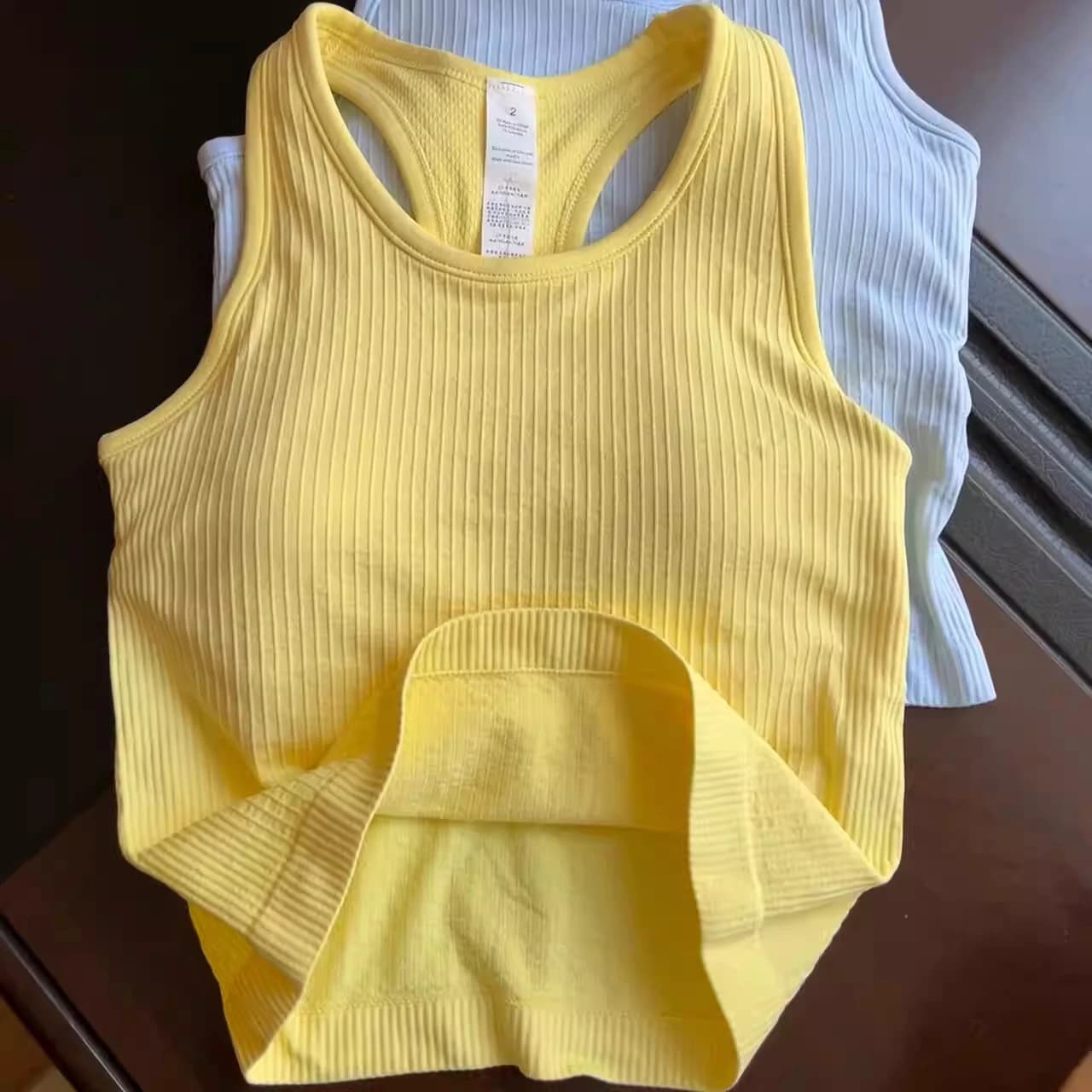
The Sports Short Vest at £19.99 is designed specifically for hot-weather training. It is sleeveless to maximise airflow across the shoulders and underarms, where your body dissipates the most heat. The breathable fabric wicks sweat away from the skin rather than trapping it, which helps your natural evaporative cooling work more efficiently. And the lightweight construction means it will not cling to your skin when wet, a common problem with heavier cotton vests that turn into a damp, uncomfortable layer after the first ten minutes.
Training in summer also increases your risk of heat-related issues like cramps, exhaustion, and in extreme cases, heatstroke. While proper hydration and timing your workouts to avoid peak heat are essential, wearing clothing that supports rather than hinders your body's cooling mechanisms is an equally important part of the equation.
What Makes a Good Summer Training Vest
Breathability is the single most important feature. Look for vests made with mesh panels or moisture-wicking synthetic fabrics. Cotton absorbs sweat and holds it against your skin, creating a heavy, clingy layer that actually insulates you. Synthetic blends like those used in the £26.99 Sports Short Vest pull moisture to the outer surface where it can evaporate, keeping you drier and cooler.
Fit matters more than most people realise. A vest that is too tight restricts airflow and can cause chafing around the armholes, which is particularly painful during repetitive movements like running or overhead presses. A vest that is too loose creates excess fabric that catches sweat and adds unnecessary weight. The ideal fit is close to the body without being compressive, with armholes that sit high enough to prevent rubbing but low enough to allow full shoulder mobility.
Length is worth considering too. A training vest should be long enough to stay tucked in or cover your waistband during movement. Nothing is more distracting during a set of burpees or a sprint interval than constantly pulling down a vest that rides up. The Sports Short Vest hits the right balance, with a length that covers your midsection without excess fabric bunching at the hips.
Summer Training Tips for Hot Weather
Schedule your hardest sessions for early morning or late evening when temperatures are lowest. If you must train during the day, reduce your intensity by ten to fifteen percent and focus on duration rather than speed. Your body is already working harder just to maintain a safe core temperature, so pushing at your usual pace increases the risk of heat exhaustion.
Hydrate before, during, and after training. A good rule of thumb is to drink five hundred millilitres of water in the two hours before exercise, then two hundred to three hundred millilitres every twenty minutes during your session. If you are training for more than an hour, consider adding electrolytes to replace the sodium and potassium lost through sweat.
Featured in this article
Frequently asked questions
What fabric is best for summer workout vests?
Synthetic moisture-wicking fabrics like polyester and nylon blends are the best choice for summer training. They pull sweat away from the skin and allow it to evaporate quickly, unlike cotton which absorbs and holds moisture. The £19.99 Sports Short Vest uses breathable synthetic fabric designed for exactly this purpose.
Should you size up in workout vests for summer?
Not necessarily. A slightly looser fit can improve airflow, but a vest that is too large creates excess fabric that traps heat and causes chafing. Stick to your normal size and look for vests with mesh panels or strategic ventilation zones. The goal is a close fit that allows full range of motion without restricting movement or airflow.