
How to Choose Non-Slip Shoes for Elderly Women: A Practical Buying Guide
Falls are one of the biggest risks for older women, and the right footwear can make a real difference. This guide covers what to look for in non-slip elderly shoes - grip, support, breathability, and ease of use.
SHOPTHIVA Editors
Why the Right Shoes Matter More After 65
Footwear plays a surprisingly large role in fall risk for older adults. According to the NHS falls prevention guidance, wearing well-fitting, supportive shoes indoors and out is one of the simplest changes that can reduce the chance of a fall. Foot problems, thinning soles, and slippery flooring compound the risk.
Many women in their sixties and beyond wear shoes that are too loose, too worn, or too flat. Soft, unsupportive slippers and smooth-soled shoes offer little grip on laminate, tiles, or wet pavement. The goal is footwear that stays put, supports the arch, and lets the foot breathe through a long day.
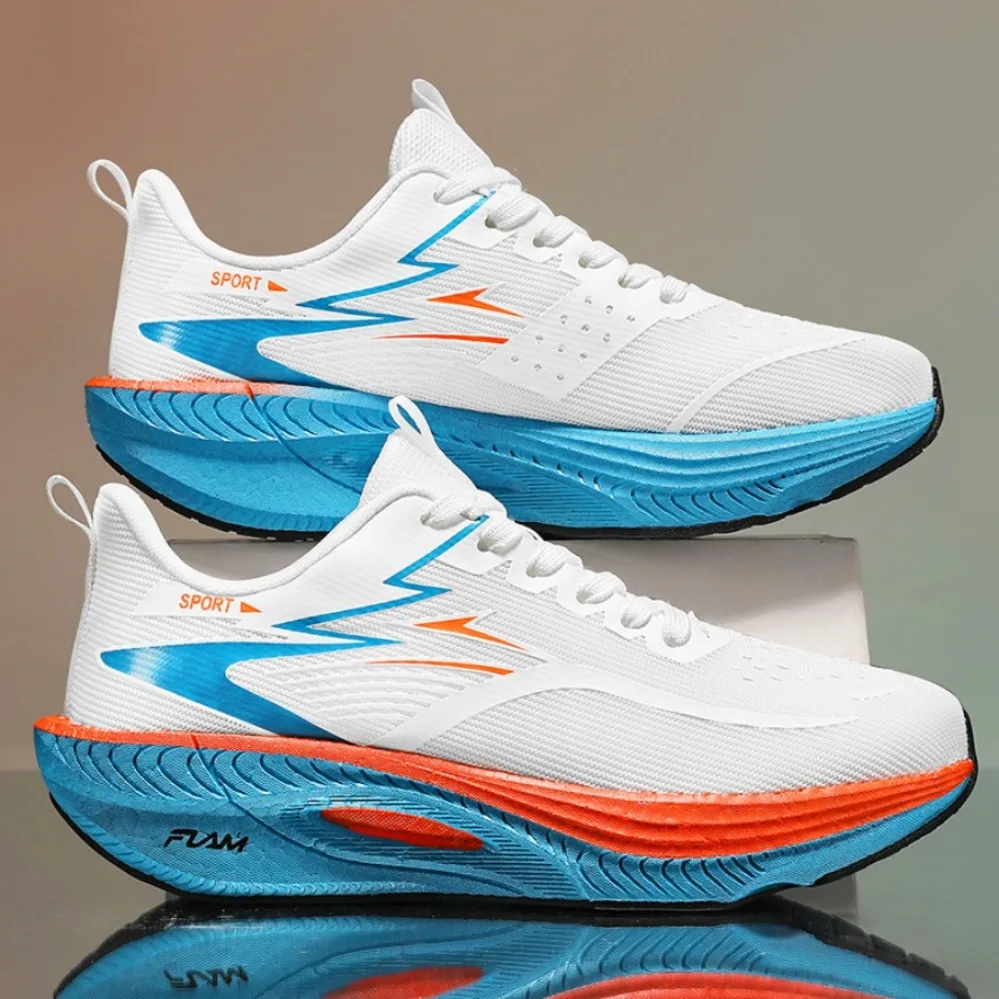
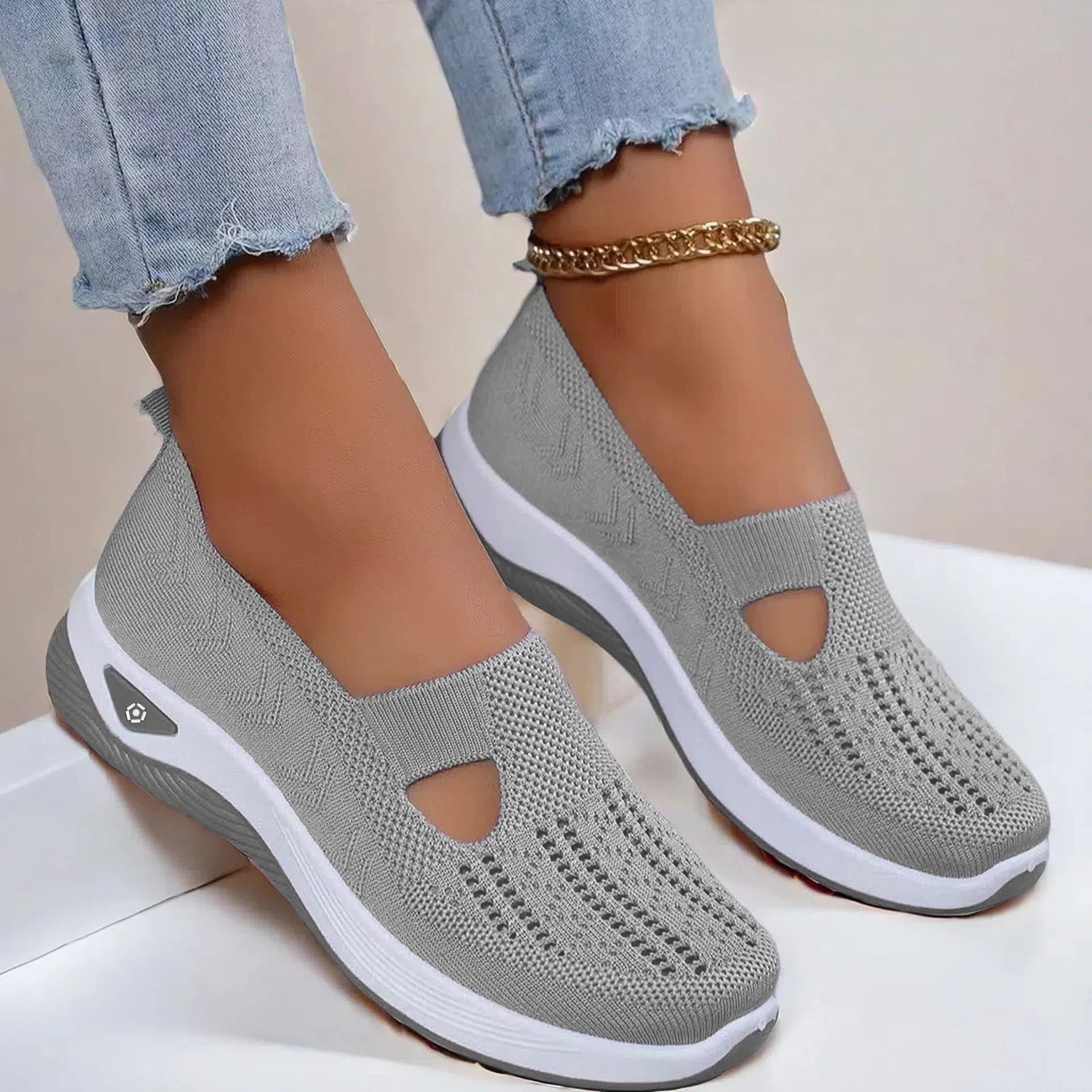
A good elderly shoe does three things at once: it grips the floor, it supports the foot and ankle, and it goes on without a struggle. If any one of these is missing, the shoe is working against the person wearing it. The Breathable Non-slip Soft Sole Elderly Shoe we feature below is built with all three in mind.
What to Look For: Grip, Support, and a Soft Sole
Grip is the headline feature. A non-slip outsole should have a textured, rubber-like tread that holds on smooth and damp surfaces. Avoid completely flat leather or hard plastic soles - they slide. A soft sole, sometimes called a crepe or EVA sole, conforms slightly to the ground and adds contact area, which improves traction compared with a rigid, hard sole.
Support matters as much as grip. The shoe should hold the heel firmly without pinching, and offer light arch support so the foot does not roll inward. A slightly raised back (heel cup) keeps the foot from slipping out. Look for a wide toe box so toes are not squeezed - narrow, pointed fronts are a common cause of discomfort and bunions in older feet.
Breathability is the third pillar. An upper with mesh panels or perforations lets air circulate, which helps if feet swell during the day or if the wearer is active for several hours. Sweat buildup softens the skin and can cause blisters or fungal issues, so a breathable shoe is not just about comfort - it protects foot health too.
Ease of Use: Getting Shoes On Without Bending Down
For many older women, reaching down to tie a lace is difficult or painful. Arthritis, back stiffness, or reduced hip mobility make bending a daily obstacle. Shoes that open wide and slip on - or fasten with a single strap - are genuinely safer and more practical than a lace-up that takes two hands and good balance to manage.
Hook-and-loop (velcro-style) straps are ideal: they adjust to swelling, hold the foot securely, and can be done up while standing or sitting with minimal bending. A shoe that goes on in one motion removes a small but real fall risk - the moment of instability while wrestling with a tight fit.
Slip-on designs work well if the opening is generous and the heel cup is supportive. A shoe that is too loose will slide off; one that is too tight will not go on at all. The sweet spot is a wide, flexible opening with enough structure to keep the foot in place once the shoe is on.
Fit Tips: Measuring Feet That Change Over Time
Feet change shape as we age. Arches can flatten, feet often widen, and swelling becomes more common - especially by the end of the day. A shoe that fit perfectly five years ago may now be too narrow or too short. The NHS falls prevention guidance recommends wearing well-fitting, supportive shoes indoors and out, and having feet measured regularly - buying shoes that fit the larger foot if there is a difference.
Measure feet in the afternoon or evening, when swelling is at its worst. If one foot is bigger, size to that one and use an insole to take up slack in the other. Always walk around the house in new shoes before going outside - a carpeted room is a safe place to check for slipping or rubbing.
Leave about a thumb's width (roughly 1 cm) between the longest toe and the end of the shoe. If you can see toe marks pressed into the front of the lining after a week of wear, the shoe is too short. Replace worn shoes promptly - once the tread pattern has flattened, the non-slip benefit is gone, regardless of how the shoe looks.
Is a Soft-Sole Non-Slip Shoe Worth It?
A dedicated non-slip elderly shoe is not a luxury - it is a piece of safety equipment. The cost of a fall (hospital stays, loss of confidence, recovery time) dwarfs the cost of any pair of shoes. If the shoe is worn daily, a reasonable price for the comfort, support, and peace of mind is money well spent.
The Breathable Non-slip Soft Sole Elderly Shoe at £34.99 hits the key criteria: a grippy soft sole, a breathable upper, and an easy-access fit. It is the kind of shoe that does its job quietly - you notice it when you stop worrying about the floor.
Pair good footwear with a few simple habits: keep walkways clear, use a non-slip mat in the bathroom, and consider a grab rail by the front door. Shoes are one layer of protection; they work best alongside the wider falls-prevention steps described in the NHS guidance and balance exercise resources linked throughout this guide.
Featured in this article
Frequently asked questions
Are soft-sole shoes safe for elderly women on slippery floors?
Yes, if the sole has a textured, non-slip tread. A soft sole that grips - like rubber or EVA with a patterned bottom - actually performs better than a hard, smooth sole. Avoid completely flat or worn soles, as they lose traction even if the material is soft.
Should elderly shoes be slip-on or fastened with straps?
Straps (hook-and-loop or velcro-style) are generally better than lace-ups for older wearers. They adjust to swelling, hold the foot securely, and can be fastened with minimal bending. Slip-on shoes work if the opening is wide and the heel cup is supportive enough to keep the foot in place.
How often should elderly women replace their everyday shoes?
Replace everyday shoes when the sole tread has visibly flattened or worn smooth - usually every 6 to 12 months for daily wear. Even if the upper looks fine, a worn sole loses its non-slip benefit. Check the tread regularly, especially on the heel and ball of the foot.
What size should I buy if one foot is larger than the other?
Always size to the larger foot. Use a thin insole or heel grip in the smaller shoe to take up the extra space. Have feet measured in the afternoon, as swelling throughout the day can change your size by half a size or more.
Product gallery
Further reading