
Budget Airline Hand Luggage Backpack UK: A Practical Guide to the 40x30x20 Cabin Bag
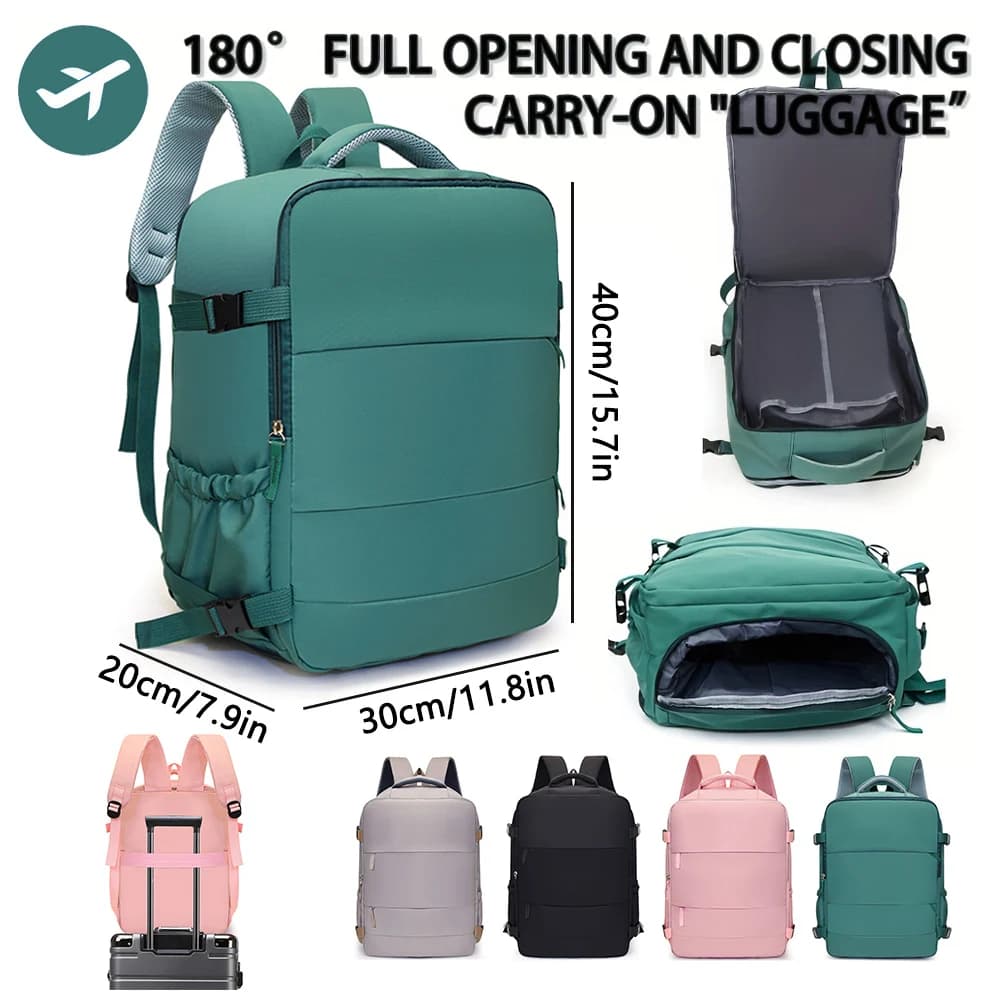
Travelling light with budget airlines in the UK comes down to one number: 40x30x20. Here is how to pick a cabin backpack that actually fits the sizer.
SHOPTHIVA Editors
One number decides most UK flights
When you fly with a budget airline in the UK, the number that matters most is 40x30x20. That is the size of the cabin bag many carriers allow under the seat or in the overhead bin without an extra fee. Get that right and the whole trip gets easier.
A bag that is built to those dimensions, like the 40x30x20 boarding travel backpack, takes the guesswork out of travel. You are not hoping it fits or wondering if the gate staff will pull you aside. It is designed for the sizer, which is the metal frame you are asked to slide your bag into.
That matters whether you are catching a short ferry connection, a city break or a long weekend away. The fewer surprises at the gate, the smoother the start of any journey. A bag that fits the rules first time is worth more than a slightly bigger one that causes a scramble.
At £29.99, it also makes financial sense. An undersized bag that slips into the free cabin allowance can save you the cost of a checked bag or a gate charge, which often costs more than the bag itself within one trip.
How to use every centimetre
The secret to a 40x30x20 bag is not how much it can hold, but how you pack it. Because the dimensions are fixed, the smart approach is to think in layers and roll your clothes. Rolling rather than folding packs more in, keeps creases down and makes it easier to find things without unpacking everything.
Start with the heaviest and least fragile items at the bottom, close to your back where the bag sits comfortably. Lighter clothes and anything you might need on the journey go on top. This keeps the bag balanced, which matters more than it sounds when you are carrying it through a terminal.
Packing cubes help too, even in a small bag. They compress clothes slightly and keep the inside organised, so you are not rooting around for a charger at security. A little structure turns a small bag into an efficient one.
Think about what you genuinely need rather than what fits. A weekend bag only fails if you bring a week of options. The bag does the job when you plan around the trip, not around everything you might possibly want.
Why a backpack beats a wheeled bag here
For cabin-size luggage, a backpack has a clear edge over a wheeled case. It is lighter, easier to carry on stairs, and far more practical if you are moving between trains, buses and ferries rather than a single taxi to a hotel.
A backpack keeps both hands free, which helps at passport control, in duty free and when you are balancing a coffee and a boarding pass. That freedom is hard to put a price on after a long travel day.
The boarding backpack is also easier to store. It slides under the seat in front of you or fits neatly in the overhead bin, which means you are never fighting for space with the cases around you.
There is a trade-off, and it is worth being honest about. A backpack will not carry the same volume as a wheeled case of the same outer dimensions, simply because it has no hard shell. For short trips that is rarely a problem, and the practical benefits usually win.
Built for budget airline compatibility
The appeal of this bag is that it is built around the budget airline sizer rather than designed first and squeezed in later. It is positioned as compatible with the kind of backpack many people need for no-frills flights in the UK and across Europe.
That design intent shows in the details. The soft structure means the bag can flex slightly to fit a tight sizer, which gives you more margin on a full flight than a rigid case would.
A cabin bag also needs to survive being shoved into overhead bins and under seats. A well made backpack with solid stitching and a sturdy zip handles that better than a flimsy one, and that is where the build quality justifies the price.
If you travel several times a year, a bag that fits every time saves money and stress on each journey. Over a year, that adds up to more than the cost of the bag itself, which is the kind of value that is easy to overlook until you have stood at the gate with the wrong size bag.
Is this the right bag for your trips?
If you fly with UK budget airlines, travel light and want a bag that slips through the sizer without drama, a 40x30x20 backpack is a strong choice. It suits city breaks, short holidays and trips where you would rather move freely than haul a case.
It is probably not the right buy if you need to carry bulky items, a separate camera bag or formal wear that cannot fold, or if you are planning a two-week trip from a single bag and need maximum volume. Those needs point to a larger checked bag instead.
The 40x30x20 boarding travel backpack at £29.99 is priced so that it pays for itself on a single journey where it avoids a gate charge or a checked bag fee. From the second trip onward it is saving you money.
The honest takeaway is that most UK travellers do not need a bigger bag. They need the right size, packed well, that fits the rules every time. Get that right and the bag does its job quietly, trip after trip.
Featured in this article
Frequently asked questions
Will a 40x30x20 bag fit budget airline sizers?
Yes, 40x30x20 centimetres is a common cabin bag size for many UK budget airlines. A bag built to those dimensions is designed to fit the sizer frame at the gate, which removes the guesswork from travelling light.
How should I pack a small cabin backpack?
Roll your clothes rather than folding them, put heavier items at the bottom near your back, and consider packing cubes to keep things organised. Plan around what you need for the trip rather than everything you might want.
Is a backpack better than a wheeled case for hand luggage?
For cabin-size luggage, a backpack is usually lighter, easier to carry on stairs and keeps your hands free. It is more practical if you move between trains, buses and ferries, though it holds slightly less than a wheeled case of the same outer size.