
Elastic-Waist Work Trousers: Smart Enough for the Office, Comfy on the Train
Calf-length elastic-waist trousers are quietly replacing rigid tailoring for UK commutes. What makes them work, how to style them for the office, and what to check before buying.
SHOPTHIVA Editors
Why elastic waists stopped being a compromise
The trick is in the drape. Older elastic-waist trousers looked casual because the fabric was jersey; the current generation uses woven fabric with structure, so from two metres away they read as tailoring while feeling like loungewear on a 40-minute commute. Nobody at the meeting knows, which is rather the point.
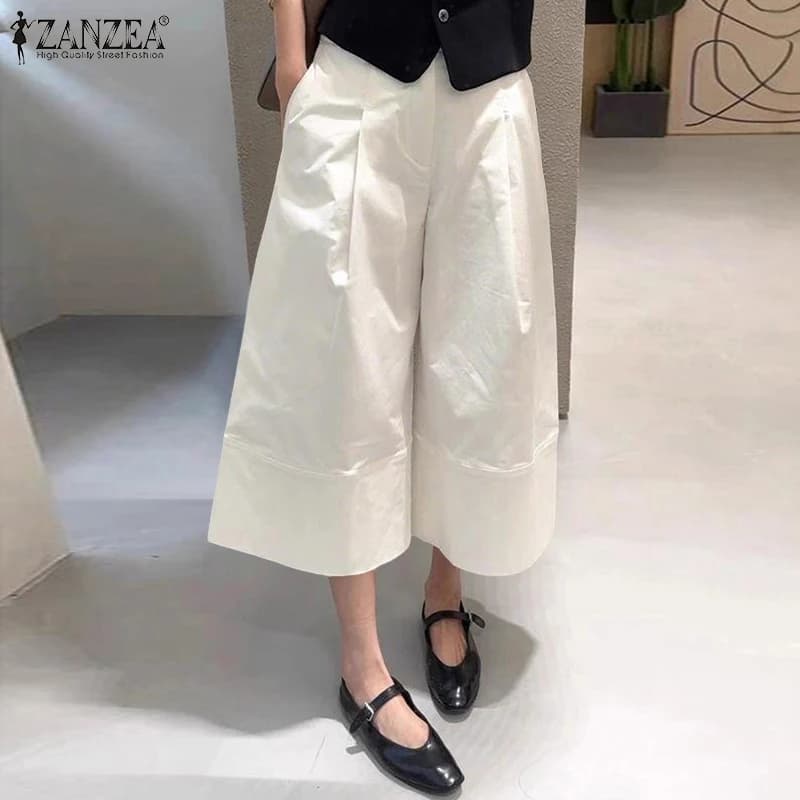
Calf length is doing real work here too: it shows the ankle, which keeps the silhouette deliberate rather than 'trousers that shrank', and it pairs with both trainers and heeled sandals.
Styling them for work
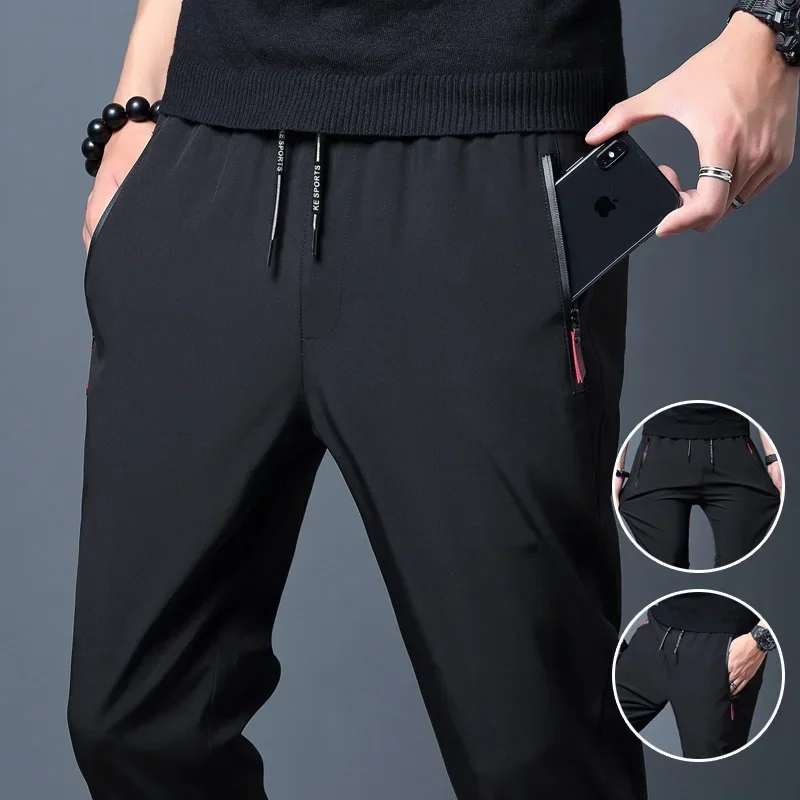
Tuck in a fitted top or a shirt with the front only. The waistband is the casual tell, so cover it and the outfit reads polished. A longline cardigan or blazer over the top and you are meeting-ready.
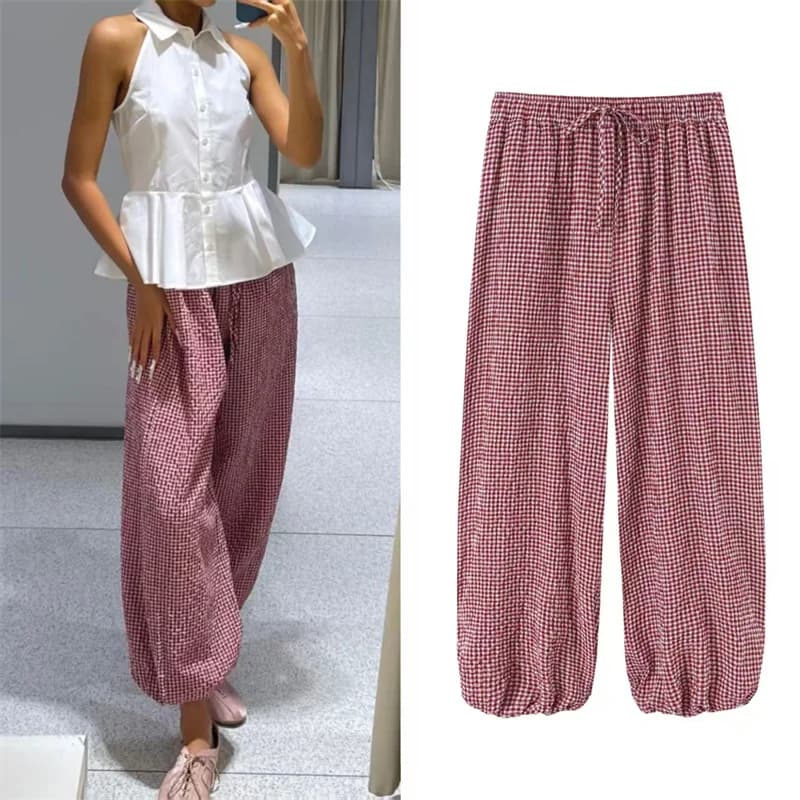
Solid colours carry this best, black, navy, olive. A brighter pair works for summer if the top stays neutral.
What to check before you buy
Look for a wide, flat waistband rather than a thin gathered one, flat bands sit smoothly under tops. Check the fabric composition for at least some polyester or viscose blend, which resists creasing on the commute far better than pure cotton.
And check the rise. High-waisted versions hold their line when you sit; low rises fold. For desk-to-dinner days, high rise wins.
The commute maths: why comfort converts to wear count
The trousers you reach for daily are the ones that survive the whole day, the 7.45 train, the desk hours, the walk home. Rigid tailoring looks sharp at 9am and digs by 3pm, so it quietly rotates out of use. A structured elastic waist removes that failure mode entirely, which is why these are the trousers that end up worn three times a week while the 'proper' pair waits for interviews.
Cost per wear follows: a £25 pair worn 60 times a season beats a £60 pair worn eight times, and that is before you count the pressing and dry-cleaning the rigid pair demands.
There is a posture bonus nobody mentions: trousers that do not dig let you sit properly through long desk stretches instead of perching to keep a waistband comfortable. Small thing; noticeable by Friday.
Building three work outfits around one pair
Monday: black calf-length pair, fine-knit top tucked at the front, loafers, quietly polished. Wednesday: same trousers, striped shirt worn open over a vest, trainers, smart-casual without thinking. Friday: swap to the red pair with a plain white tee and the outfit carries itself.
The pattern is one anchor piece and simple companions. Trousers with stretch and structure are the easiest anchor there is, because every top in your wardrobe already goes with them.
One-minute buying checklist
Scan for five things: a wide flat waistband, woven fabric with a blend rather than pure jersey, a high rise, a calf or full-length hem that ends at a narrow point of the leg, and a colour that pairs with three tops you already own. Machine-washable at 30°C keeps the running cost at zero. Trousers that pass all five become the default pair within a fortnight, that is the test of a good basic.
Featured in this article
Frequently asked questions
Are elastic-waist trousers OK for a formal office?
With a structured woven fabric and the waistband covered by your top or blazer, yes, they read as tailored trousers. For strict corporate dress codes, keep the colour dark.
What shoes work with calf-length trousers?
Anything that shows the ankle: trainers, loafers, heeled mules, strappy sandals in summer. Avoid mid-calf boots, which cut the line.
Do they crease in a bag or on a train?
Blended woven fabrics shrug off commute creasing far better than cotton. Hang them the evening before and any fold lines drop out overnight.
Product gallery
Further reading