

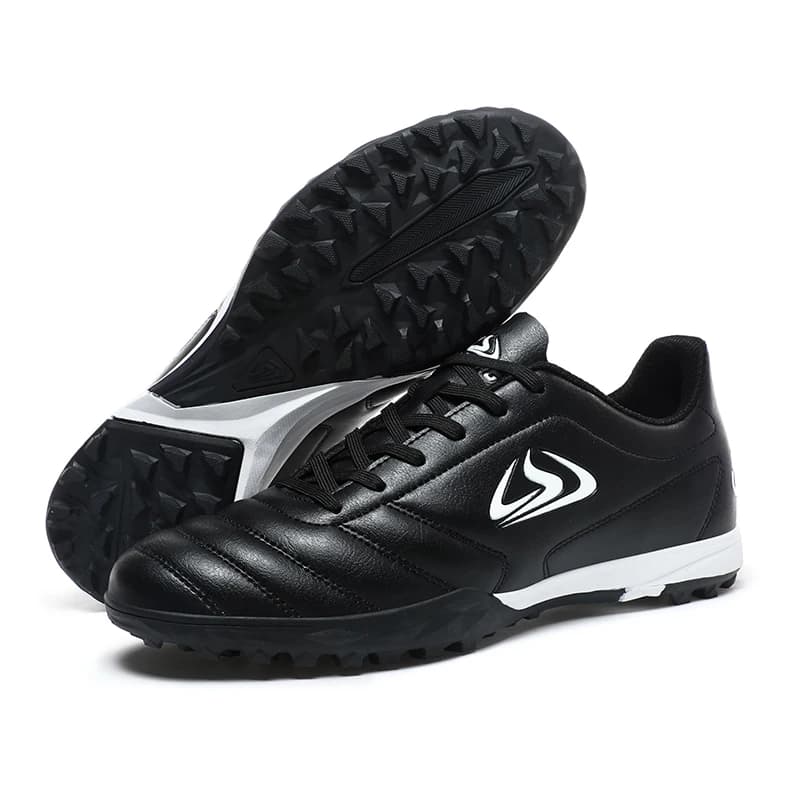
TF Football Boots UK: The Only Boots You Need for Artificial and Turf Pitches
Turf football boots are the versatile option most UK players overlook. Here is why TF soles beat FG studs on modern artificial pitches - and what to look for before buying.
SHOPTHIVA Editors
Why TF Football Boots Are the Smart Choice for UK Pitches
If you play five-a-side, train on 3G, or turn up for a Sunday league game on a council artificial pitch, TF boots should be in your bag. Turf soles - short, rubberised studs covering the entire outsole - are designed specifically for the surfaces most UK players actually play on. They grip artificial grass without catching, they cushion on hard turf, and they work on damp natural grass when you cannot decide between firm-ground and soft-ground studs.
The problem with FG studs on artificial turf is well-documented: the longer studs cannot penetrate the synthetic surface, so they sit on top and create pressure points under your feet. Over a 90-minute match that leads to foot pain, knee strain, and a significantly higher risk of ankle rolls and ACL injuries. TF soles distribute pressure across dozens of small nubs instead of six or eight concentrated points, which feels dramatically more comfortable on synthetic surfaces and reduces injury risk substantially.
What Makes a Good TF Football Boot
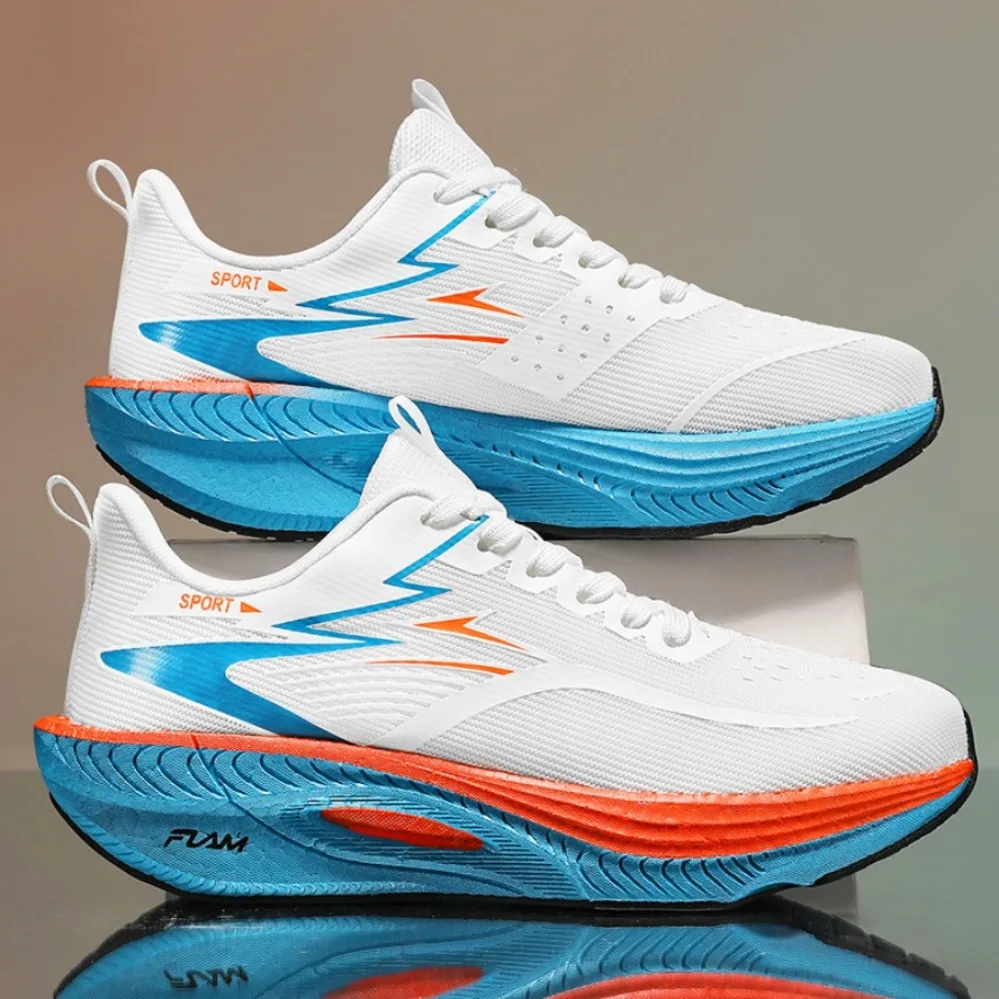
Start with the sole. The best TF boots have a dense pattern of short rubber studs - typically 30 to 50 of them - spread across the forefoot and heel. This gives multi-directional grip without any single pressure point. The rubber compound should be soft enough to flex on impact but firm enough to last a full season of weekly games on abrasive artificial turf. Cheaper compounds wear flat within weeks, so check reviews for durability claims before committing to a pair.
Upper material is the next decision. Knit uppers mould to your foot and are lighter, but they offer less protection in tackles and less structure in the forefoot. Synthetic leather is slightly heavier but more durable and more protective, especially on 3G where the rubber crumb infill can cause friction burns during a slide tackle. For most players, a synthetic leather upper with a textured strike zone gives the best balance of durability, ball feel, and value for money.
Caring for TF Football Boots So They Last a Full Season
Artificial turf is genuinely abrasive - the rubber crumb and sand infill grind down the outsole faster than natural grass ever would. After every session, knock the crumb out of the studs and brush the sole clean with a stiff brush. Left in, the rubber crumb hardens between the nubs and reduces grip next time you play, which is both a performance and a safety issue on quick directional changes.
Never machine-wash football boots. The agitation damages the upper and the heat can warp the sole plate. Hand-wash with cold water and a soft brush, then stuff with newspaper and let them dry at room temperature away from direct heat. Avoid radiators and direct sunlight - both crack synthetic leather and degrade the rubber studs faster than you might expect. Replace your TF boots when the nubs wear flat, which is usually around 40 to 60 hours of playing time on 3G, or roughly one season for a weekly player.
Featured in this article
Frequently asked questions
Can I wear TF boots on real grass?
Yes, for dry or firm natural grass. TF soles give decent grip on firm ground. Avoid them on soft or muddy natural grass where the short nubs will slip. For mixed surfaces, TF is the most versatile single-sole option available.
Are TF football boots good for 5-a-side?
They are the best choice for 5-a-side on 3G or indoor-outdoor hybrid pitches. The short nubs grip the surface without the stud pressure that FG boots cause on artificial grass, and they are far more durable than indoor flat-soles on abrasive outdoor turf surfaces.