

Football Training Shoes UK: Comfortable Trainers for the Pitch and Beyond
The right football training shoes make every session better. Here's how to pick trainers that perform on the pitch and look good off it.
SHOPTHIVA Editors
Why training shoes matter more than match boots
When football season is in full swing, every fan's attention turns to fixtures, but the players on the pitch are only as good as their training. And training requires different footwear than match day. Training shoes need to handle hours of running, drills, and gym work without breaking down.
The difference between training shoes and match boots is significant. Match boots are designed for 90 minutes of explosive performance. Training shoes are built for repetition, running the same drills, week after week, on hard surfaces. They need more cushioning, more durability, and more versatility.
Most amateur players train in whatever trainers they already own. That works for a while, but proper training shoes with the right cushioning and grip will reduce fatigue and help prevent the kind of overuse injuries that sideline players mid-season.
What makes a good football training shoe
Cushioning is the first priority. Training involves repetitive impact, running laps, sprint drills, and plyometric exercises. Without adequate shock absorption, that impact travels through your knees and hips. Look for shoes with visible cushioning technology in the midsole.
Grip matters too, but not the same kind of grip as match boots. Training shoes need multi-surface traction that works on artificial turf, gym floors, and hard outdoor ground. Deep studs that work on grass are useless on a gym floor.
Breathability is the third factor. Training sessions are long and sweaty. Shoes with mesh uppers keep your feet cooler and reduce the risk of blisters and fungal issues. Solid leather trainers look great but trap heat during extended training.
A versatile option for training and casual wear
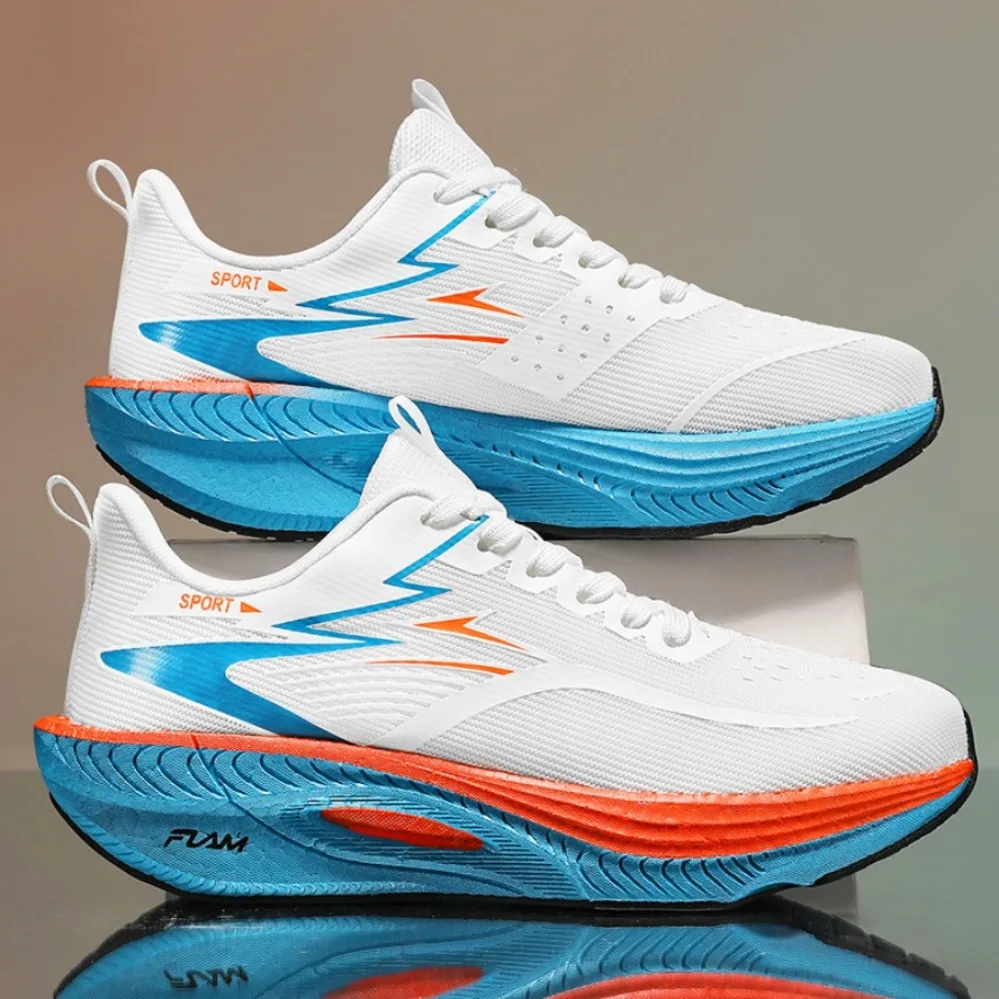
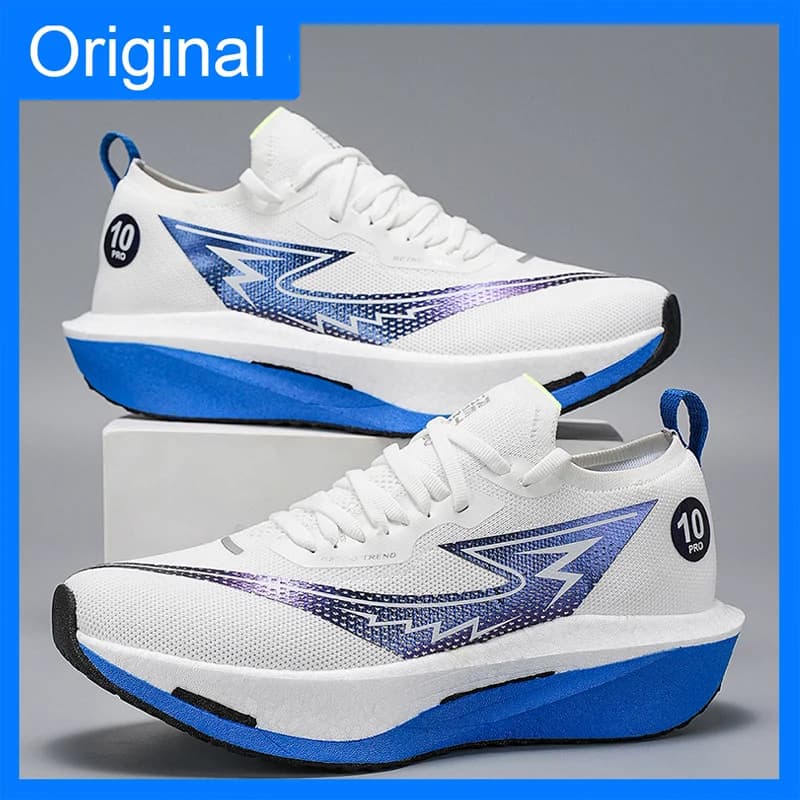
The Men's Sneakers Marathon Comfort Training shoes on SHOPTHIVA are designed as all-purpose training footwear. At £29.99, they're positioned as a mid-range option, more substantial than budget trainers, but not at the premium brand price point.
They feature cushioning designed for running and fitness work, with anti-slip soles that work on multiple surfaces. The description highlights wear-resistance and cushioning, which are the two qualities that matter most for repeated training sessions.
The versatility is the real selling point. These work for football training, gym sessions, running, and casual wear. If you're not playing professional-level football, you don't need separate shoes for every activity. A solid pair of cross-training shoes that you can also wear to the shops is the practical choice.
How to get the right fit
Football training shoes should fit snugly but not tightly. You need about a thumb's width of space between your longest toe and the end of the shoe. Your feet swell during exercise, so what feels snug at rest will feel right during training.
Try shoes on in the afternoon, not the morning. Your feet are slightly larger later in the day due to natural swelling. This prevents buying shoes that are too tight once you start training.
If you wear orthotics or insoles, bring them when trying on shoes. You need to account for the extra volume. Some training shoes have removable insoles specifically for this reason.
Making training shoes last
Rotate between two pairs if you train frequently. Alternating shoes gives the cushioning material time to decompress and return to its original shape. This significantly extends the life of both pairs compared to wearing one pair into the ground.
Air them out after every session. Don't leave training shoes in a gym bag, moisture breaks down cushioning and causes odour. Remove the insoles and let everything dry naturally. Avoid direct heat sources like radiators, which can warp the sole.
Replace them when the cushioning feels flat. If you press the midsole and it doesn't spring back, the shock absorption is gone. Continuing to train on dead cushioning is a recipe for shin splints and knee pain. Most training shoes last 300-500 miles of use before needing replacement.
Featured in this article
Frequently asked questions
Can I use football training shoes for running?
Yes, most football training shoes are designed as cross-trainers and work well for running. They offer cushioning for impact and grip for multiple surfaces. For serious long-distance running (over 10K), dedicated running shoes with more specialised cushioning are better, but for training runs and general fitness, cross-trainers are ideal.
How do training shoes differ from football boots?
Football boots have studs or blades designed for grass or turf grip during matches. Training shoes have flat or patterned soles designed for hard surfaces, gym floors, and general athletic training. Training shoes also typically have more cushioning since training involves more repetitive impact than a 90-minute match.
When should I replace my football training shoes?
Replace them when the cushioning feels flat or compressed, if you press the midsole and it doesn't spring back, the shock absorption is gone. Most training shoes last 300-500 miles of use. Continuing to train on worn-out cushioning increases the risk of shin splints, knee pain, and other overuse injuries.