
Football Training Shorts: The Matchday Kit Guide
A practical guide to building a football training kit that lasts, with honest advice on shorts, base layers and matchday comfort.
SHOPTHIVA Editors
Why the right training shorts matter
Football training is not a single activity. One session is a sprint drill on grass, the next is a gym circuit, and the one after that is a full match. Each demands a different kind of movement, and the shorts you wear have to cope with all of them. A pair that is too tight restricts your stride. A pair that is too loose bunches up when you change direction. The right pair disappears from your mind, which is exactly what you want.
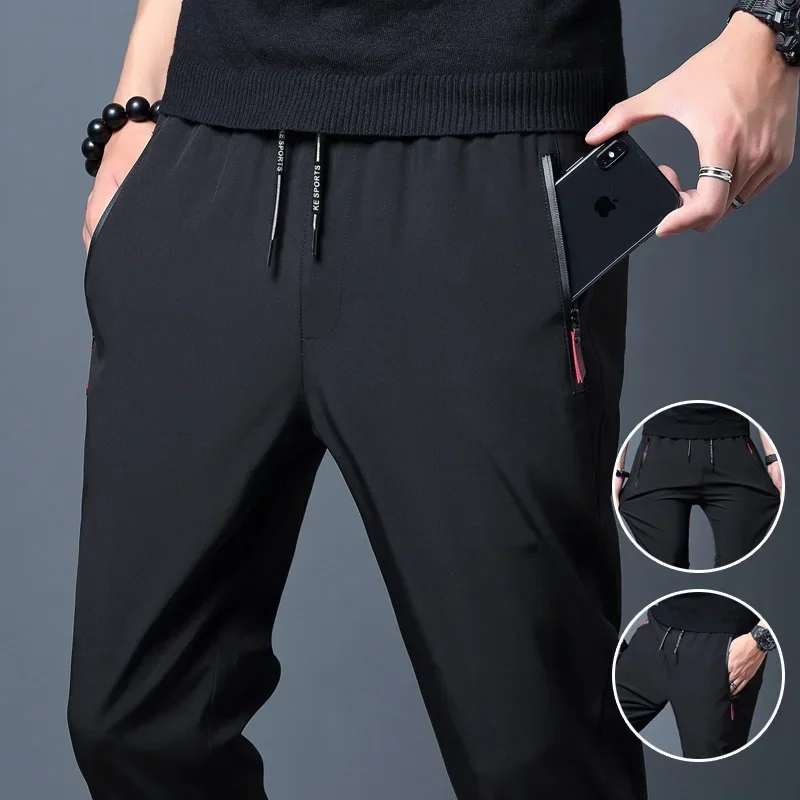
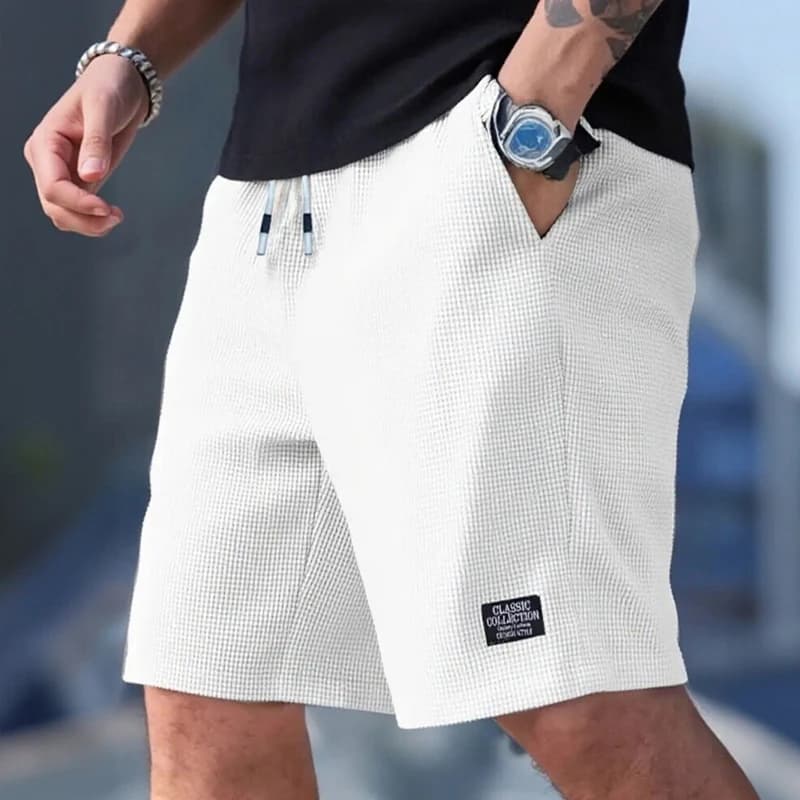
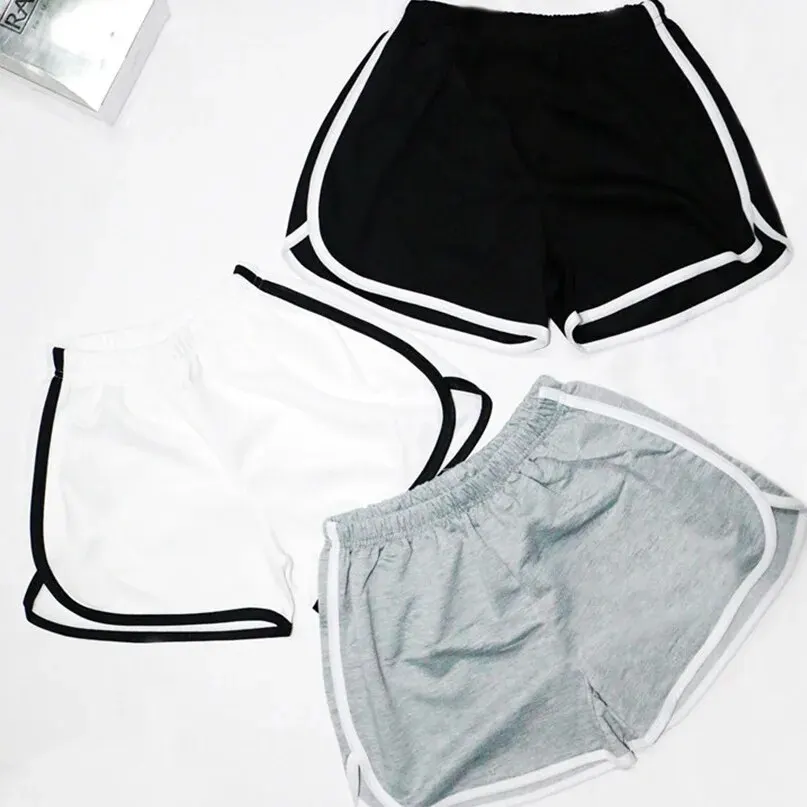
The most important quality in training shorts is freedom of movement. You need a full range of motion for lunges, squats and sharp turns, and that means a cut that does not pull at the hips or the thighs. Elasticated waists help here because they move with your body rather than against it. A drawstring gives you a second level of adjustment, so the fit stays secure whether you are warming up or sprinting for a loose ball.
Breathability is the second thing to check. Training raises your heart rate quickly, and the fabric has to move sweat away from your skin before it soaks through. Quick drying materials are not a luxury. They keep you comfortable through a long session and they stop you feeling cold the moment you stop moving. On a cool evening, that difference is the one between finishing a session comfortably and shivering on the way home.
The good news is that you do not need to spend a fortune to get these qualities. A well made pair of training shorts at a sensible price will outperform an expensive pair that does not fit. The trick is to look at the fabric, the waistband and the cut before you look at the label. If those three things are right, the shorts will do their job for a long time.
What to look for in a matchday base layer
Under your shorts, the base layer does more work than most people realise. It is the layer that sits against your skin, so it controls how you feel for the whole session. A breathable cotton base layer keeps you dry and comfortable, while a synthetic one can trap heat and leave you clammy. For most training sessions, a soft, breathable fabric is the better choice.
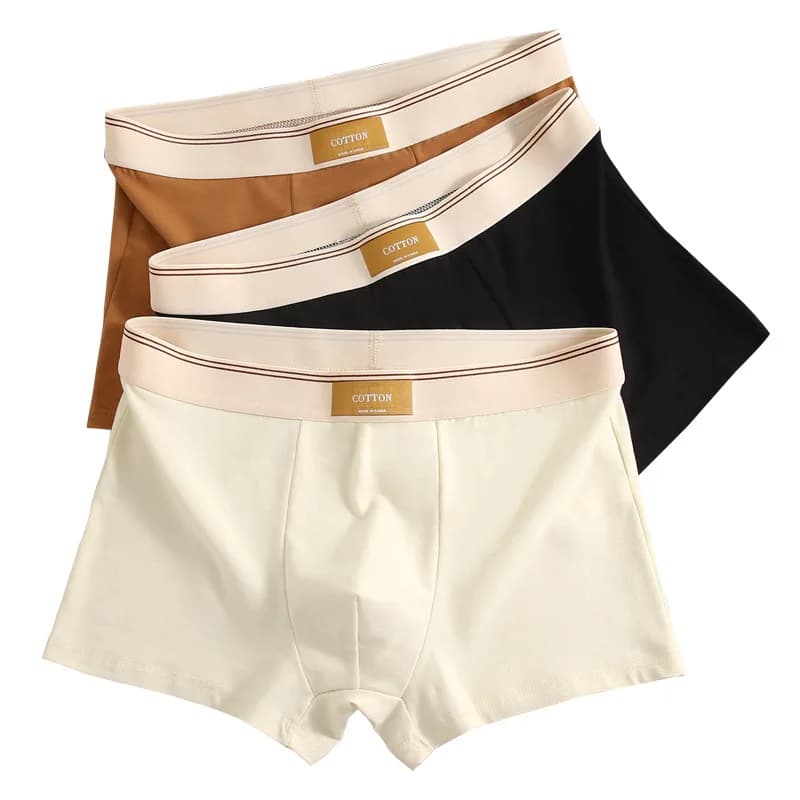
Fit matters just as much as fabric. A base layer that is too tight digs into your skin and restricts movement. One that is too loose bunches up under your shorts and causes chafing. The ideal fit is snug but not tight, with enough give to move freely. A set of three gives you a rotation, so you always have a clean pair ready even when you train several times a week.
Cotton is a strong choice for base layers because it is soft against the skin and absorbs moisture well. It is also easy to care for, which matters when you are washing kit after every session. A breathable cotton base layer holds up well to repeated washing and keeps its shape, so it is a sensible investment for regular training.
Think about the seasons too. In summer, a lighter base layer keeps you cool. In winter, a slightly thicker one adds warmth without adding bulk. Having a couple of options means you can adjust your kit to the weather rather than suffering through it. That small bit of planning makes a real difference to how much you enjoy training.
Building a training kit that lasts
A good training kit is not about having the most expensive gear. It is about having the right pieces that work together and last. Start with the essentials: a pair of training shorts, a base layer and a top. From there you can add pieces as you need them. This approach keeps your kit focused and your spending sensible.
Durability is the quality that separates a good kit from a disposable one. Look for reinforced seams, sturdy waistbands and fabrics that hold their colour after washing. A pair of shorts that survives a full season of training is better value than two pairs that fall apart after a few weeks. The price per wear is what really matters, not the price on the tag.
Care is part of the equation too. Washing kit on a gentle cycle and letting it air dry extends its life considerably. Tumble drying is hard on elastic and can break down the fabric over time. A little care in the laundry means your kit looks good and performs well for longer, which saves you money in the long run.
Finally, keep your kit simple. A few well chosen pieces in neutral colours are easier to mix and match than a drawer full of mismatched gear. When everything works together, you can grab your kit and go without thinking about it. That simplicity is what makes training feel effortless.
Comfort on the pitch and off it
The best training kit is the one you forget you are wearing. When your shorts fit well and your base layer stays dry, you can focus entirely on the game. That focus is what improves your performance, far more than any single piece of gear. Comfort is not a luxury in training. It is the foundation that everything else builds on.
Think about how the kit feels across a full session, not just at the start. A pair of shorts that feels fine for the first ten minutes can become uncomfortable by the end if the fabric does not breathe. The same goes for a base layer that holds moisture. Choosing breathable, quick drying materials from the start avoids these problems before they begin.
Versatility is another reason to choose carefully. A pair of training shorts that works for football, running and the gym is better value than three pairs that each do one job. The same logic applies to base layers. When your kit works across activities, you get more use out of it and you spend less overall.
The honest truth is that most people do not need a huge wardrobe of training gear. They need a few good pieces that fit well and last. If you buy with those priorities in mind, you will end up with a kit that serves you well for a long time, and you will not have wasted money on gear that sits unused.
Getting the best value for your money
Value in training kit is about more than the price tag. A pair of shorts at £16.99 that lasts a full season is better value than a pair at £30 that falls apart in a month. The way to judge value is to look at the quality of the materials and construction, then weigh that against the price. Good fabric, solid seams and a reliable waistband are worth paying for.
It is also worth thinking about what you actually need. If you train twice a week, you need fewer pieces than someone who trains every day. Buying a smaller number of good quality items is usually better than buying a larger number of cheap ones. You get more use out of each piece and you avoid the frustration of gear that does not hold up.
Sets can be a smart way to buy. A three pack of base layers, for example, gives you a rotation at a better price per item than buying them individually. The same logic applies to other essentials. When you can buy a set that covers your needs, it is often the most economical way to build a kit.
Finally, remember that the best kit is the one you actually use. A well chosen, well cared for training kit will serve you for years. That is the real measure of value, and it is the reason to choose quality over quantity every time.
Featured in this article
Frequently asked questions
What is the best fabric for football training shorts?
Quick drying, breathable fabric is the best choice for football training shorts. It moves sweat away from your skin and keeps you comfortable through a full session. Look for a lightweight material with an elasticated waist and a drawstring for a secure fit.
How many pairs of training shorts do I need?
Two or three pairs is enough for most people who train a few times a week. This gives you a rotation so you always have a clean, dry pair ready. If you train every day, you may want a couple more so you are never waiting for a pair to dry.
Are cotton base layers good for football training?
Yes, breathable cotton is a strong choice for base layers. It is soft against the skin, absorbs moisture well and is easy to care for. A set of three gives you a rotation and keeps you comfortable across multiple sessions each week.
How should I care for my training kit to make it last?
Wash your kit on a gentle cycle and let it air dry rather than using a tumble dryer. Tumble drying is hard on elastic and can break down fabric over time. A little care in the laundry extends the life of your kit considerably.