


French Manicure at Home: The Nail Art Essentials Worth Buying
A clean French manicure is one of the most requested nail looks in the UK. Here is what you actually need to recreate it at home without a salon visit.
SHOPTHIVA Editors
Why the French Manicure Keeps Coming Back
The French manicure is one of the few nail looks that has never really gone away. It shows up on red carpets, in bridal salons, and on everyday hands across the UK. The appeal is simple: a pale base with a clean white tip looks tidy, works with any outfit, and suits almost every skin tone. When the trend resurfaces, as it has this season, searches for how to recreate it at home climb sharply.
The reason it keeps returning is that it reads as polished without being loud. A French tip does not compete with your clothes or your jewellery. It sits quietly in the background and makes your hands look cared for. That is why it is the default choice for interviews, weddings, and formal events where you want to look put together without drawing attention to the nails themselves.
The catch is that a salon French manicure is not cheap, and it needs topping up every couple of weeks. That is where doing it at home becomes attractive. With the right tools, the look is genuinely achievable, and the cost per manicure drops to almost nothing after the first set of supplies.
This guide covers the essentials you need to recreate the look at home, with honest prices and real products from the shop. No salon secrets, just the tools that make the difference between a crisp tip and a wobbly one.
The Base: Why a Clean Canvas Matters
Every French manicure starts with a clean, even base. If the base coat is patchy or the nail surface is uneven, the white tip will never look crisp no matter how steady your hand is. The foundation of the whole look is preparation, and that is where a few simple tools earn their keep.
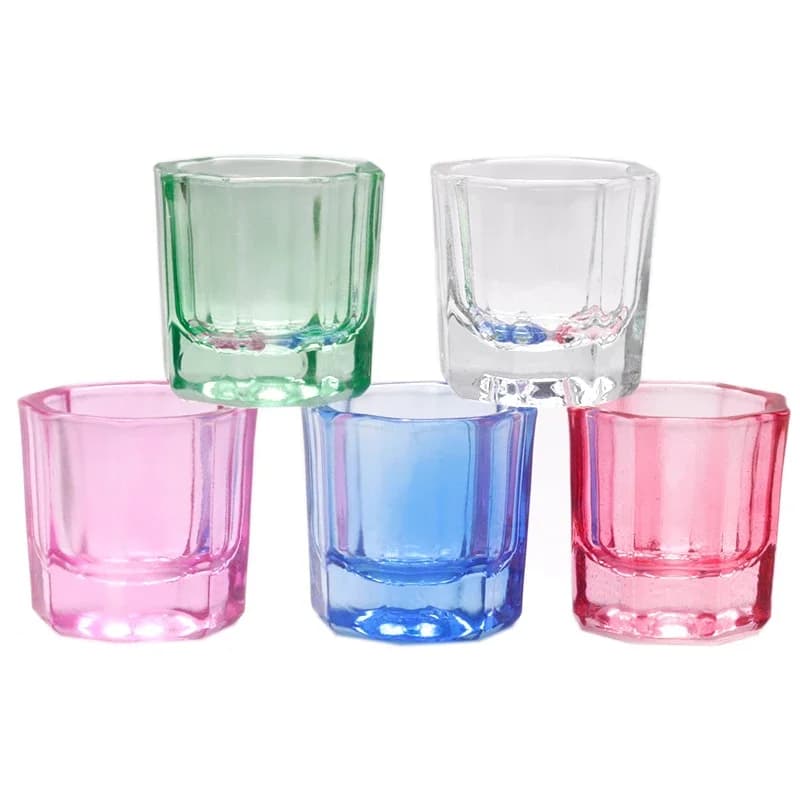
A dappen dish is one of the most useful additions to a home nail kit. It is a small glass cup designed to hold polish, acrylic powder, or acetone while you work. Instead of dipping a brush into a full bottle and dragging excess product across the rim, you pour a little into the dish and work from there. It keeps the product fresh, stops the bottle from drying out, and gives you a stable surface to work from.
The Crystal Glass Acrylic Powder Dappen Dish at £14.99 is a good example of the kind of tool that looks simple but changes the workflow. It is heavy enough to stay put on a table, and the glass is easy to clean between uses. If you do your nails more than once a month, it pays for itself quickly.
You do not need a drawer full of equipment to start. A base coat, a white polish, a top coat, and one or two working tools are enough for a first attempt. The trick is to buy tools that do not fight you, because frustration is the main reason people give up and go back to the salon.
The Tip: Getting the White Line Right
The defining feature of a French manicure is the white tip, and it is the part most people find hardest. The line needs to follow the curve of the nail and stay even across all ten fingers. There are a few ways to get there, from freehanding with a steady brush to using guides, and the right approach depends on how much practice you have.
What most tutorials do not mention is that the tip does not have to be perfect on the first pass. You can build it up in thin layers, letting each one dry before adding the next. Thin layers are easier to correct than one thick stroke, and they dry faster, which means less smudging when you move on to the next nail.
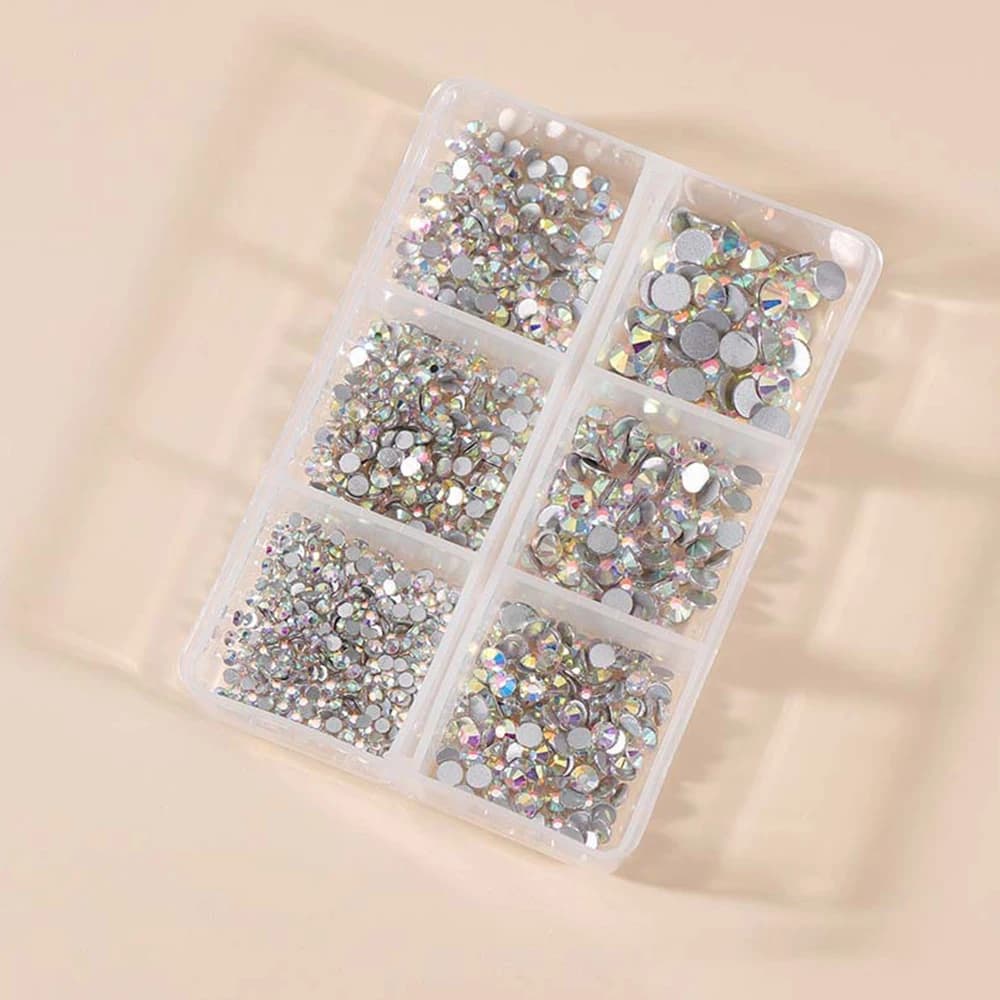
Once the white is on, the finish is what sells the look. A glossy top coat smooths out any tiny imperfections and gives the manicure that salon shine. If you want a little extra sparkle for an evening event, a scattering of crystal rhinestones along the tip or at the base of the nail adds a subtle lift without losing the classic feel.
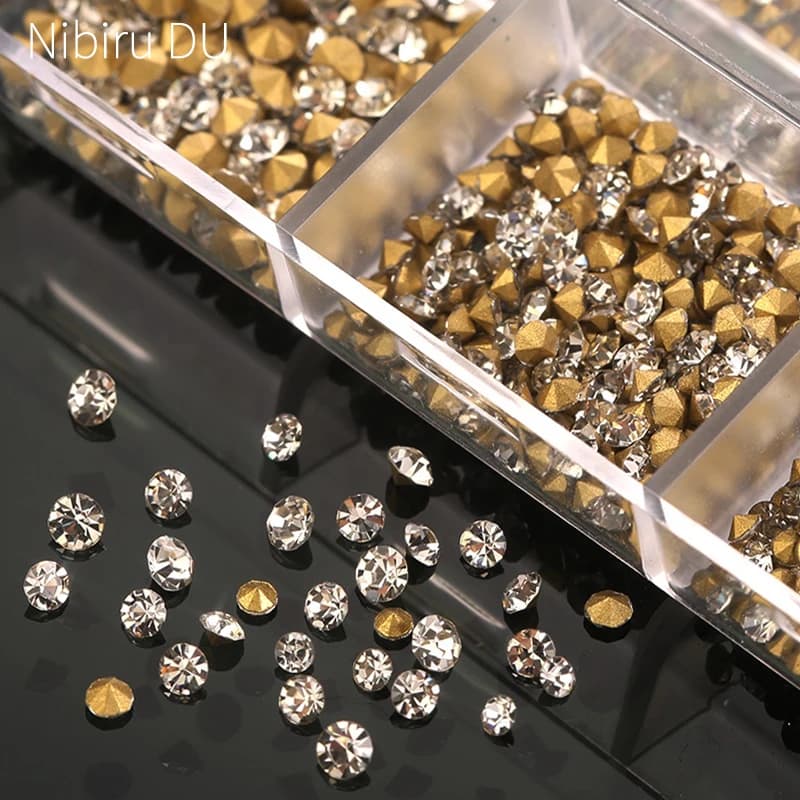
The 1 Box Multi-size AB Crystal Nail Rhinestones at £15.99 gives you a range of sizes in one box, which is useful because you will want smaller stones for the tip and slightly larger ones for accent nails. The flat bottom makes them sit flush against the polish, so they do not catch on clothing.
The Detail: When Rhinestones Earn Their Place
A plain French manicure is elegant, but a French manicure with a single accent detail is the version that gets noticed. The trick is restraint. One or two stones on a ring finger, or a thin line of crystals along the smile line, is enough to make the look feel special without tipping into costume territory.
The quality of the stones matters more than the quantity. Cheap plastic gems look dull and fall off within a day. Crystal rhinestones catch the light properly and stay put when they are pressed into a layer of top coat. That is why the material of the stone is worth checking before you buy.
The 1000pcs Crystal Nail Art Rhinestone Super Bright Glass at £19.99 is a large pack of glass stones in a single size, which is ideal if you know you will use them regularly. A thousand pieces sounds like a lot, but they disappear quickly when you are doing a full set of nails, and having a consistent size makes the finished look much neater.
If you are new to applying stones, practise on a spare nail or a piece of tape first. The technique is simple: pick up the stone with a dampened brush or a dotting tool, place it on the wet top coat, and seal it with another layer once it is dry. It takes a few tries to get the placement right, but the result is worth the practice.
The Finish: Making It Last
A French manicure that chips on day two is a waste of effort, so the finish is where you protect your work. A good top coat is non-negotiable, and it is worth applying two thin layers rather than one thick one. The second layer adds durability without the tacky feel that a single heavy coat can leave behind.
The other factor in longevity is how you treat your hands in the first 24 hours. Hot water, harsh soap, and heavy lifting all put stress on fresh polish. Wearing gloves for washing up and avoiding long soaks in the bath for the first day or two makes a real difference to how long the manicure survives.
When the time comes to remove it, a dappen dish filled with acetone makes the job cleaner than soaking cotton pads on each finger. You can rest the tips of your nails in the dish for a few minutes, and the polish lifts off without scrubbing. It is a small convenience, but it protects the nail bed from the damage that aggressive removal causes.
The honest truth is that a home French manicure will not always match a salon finish on the first attempt. But with the right tools and a little patience, the gap closes fast, and the cost per manicure drops to a fraction of the salon price. That is the real reason the look keeps coming back.
Featured in this article
Frequently asked questions
How long does a home French manicure last?
With a good top coat and sensible hand care, a home French manicure typically lasts five to seven days before the tips start to wear. Avoiding hot water and harsh chemicals in the first 24 hours helps it last longer.
Do I need a dappen dish for nail art?
Not strictly, but it makes the process much cleaner. A dappen dish holds a small amount of polish or acetone so you can work from a stable surface instead of dipping into a full bottle, which keeps the product fresh and reduces mess.
How many rhinestones do I need for a full set?
For a full set of ten nails with a single accent stone on each, you will use around ten to twenty stones. A pack of a thousand gives you plenty of spares and is good value if you do your nails regularly.
Can I do a French manicure without a steady hand?
Yes. Building the white tip in thin layers and correcting as you go is more forgiving than one thick stroke. Using guides or practising on a spare surface also helps before you work on your own nails.