

Lightweight Running Shoes UK: What to Wear When Following Gakpo's Football to Fitness Journey
Gakpo's explosive pace on the pitch has inspired a wave of UK runners taking up the sport. Here's what to look for in lightweight marathon trainers that won't hold you back.
SHOPTHIVA Editors
From Football Pitch to Pavement: Why Gakpo's Pace Inspires Runners
When a footballer like Gakpo hits top speed on the pitch, it is not just raw talent on display. It is the product of serious cardiovascular training, much of which happens away from the football field in running sessions that build the stamina and leg power needed to sustain sprints across ninety minutes. Watching that kind of explosive acceleration has prompted plenty of UK fans to lace up and start their own running journeys, whether that means a weekly parkrun or building up to a first half marathon.
The leap from watching sport to participating in it is smaller than most people think. You do not need a professional coaching setup to start running effectively. What you do need is a pair of shoes that supports your feet, cushions impact, and does not weigh you down. Football boots are designed for grip on grass and studs into turf, but running on tarmac, trail, or treadmill demands a completely different type of footwear with a thicker sole and a heel-to-toe drop that guides your stride.
The trend search spike around Gakpo reflects more than just football fandom. People are searching because they want to know what it takes to move like that, even in a modest way. The answer starts with consistent training and the right gear. Lightweight running shoes are the single most important purchase for anyone transitioning from a sedentary lifestyle to regular jogging, and getting this choice right from day one prevents the injuries and discomfort that stop most beginners in their tracks.
What Makes a Running Shoe Actually Lightweight
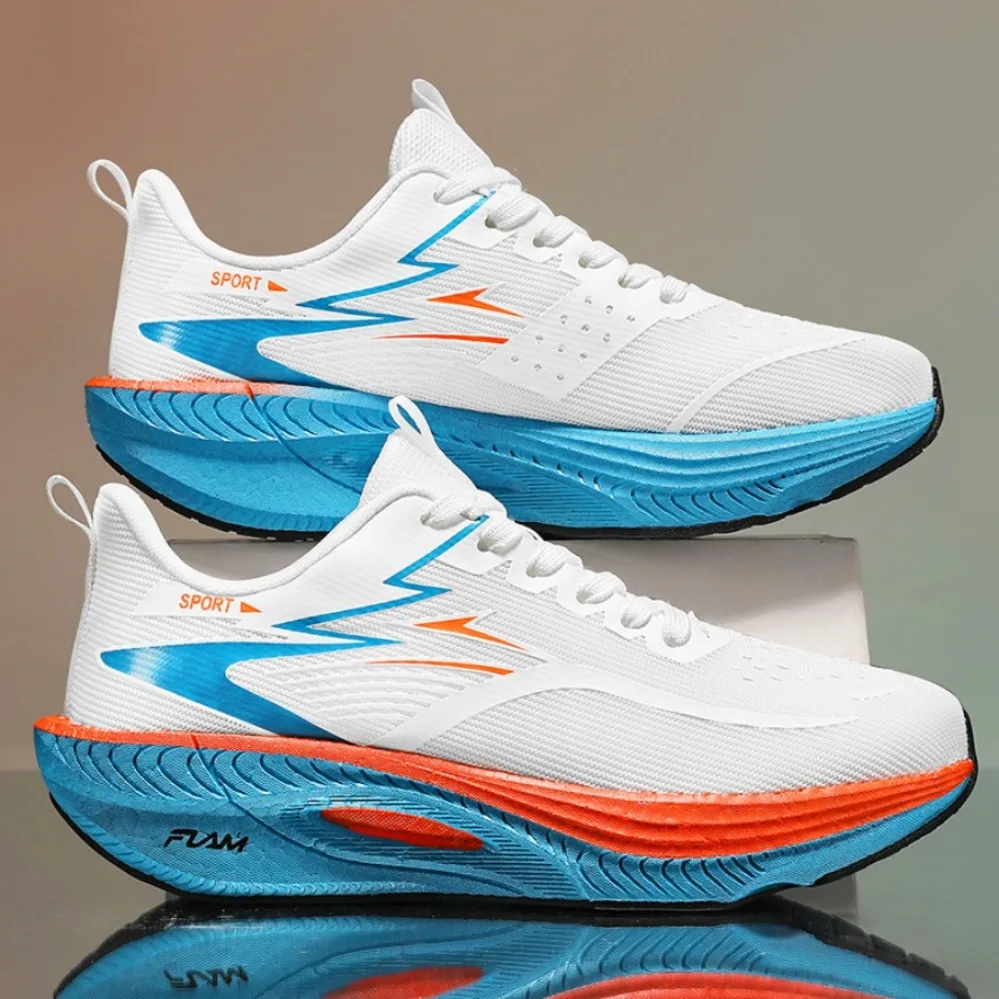
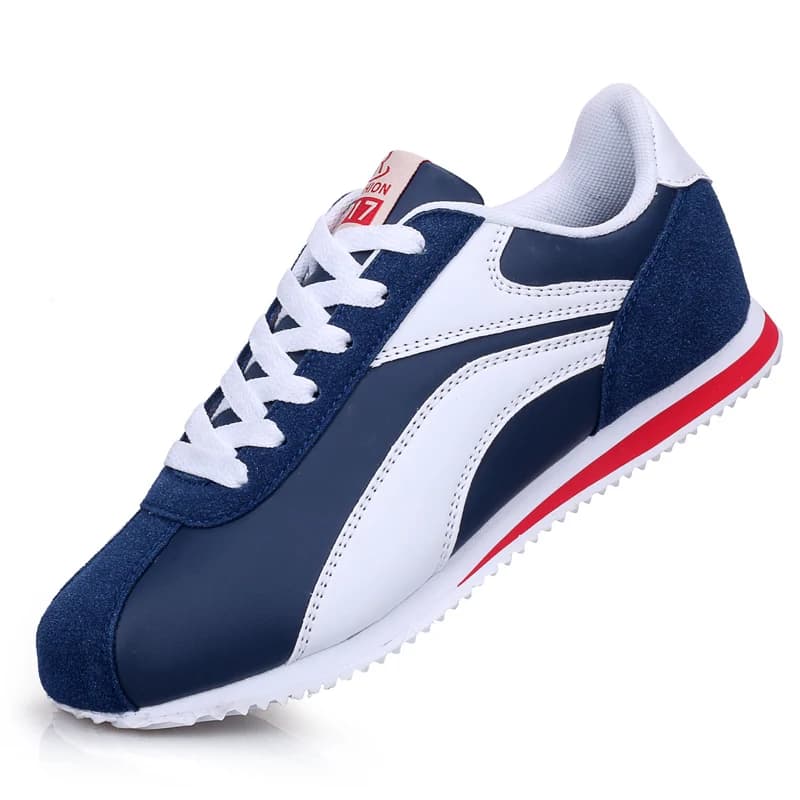
Weight is the most obvious factor, but it is not just about grams on a scale. A truly lightweight running shoe balances minimal mass with enough cushioning to protect your joints from repetitive impact. Most marathon trainers sit in the 200 to 280 gram range per shoe, and anything significantly heavier will make your legs feel sluggish after the first few kilometres. The Classic Marathon Running Shoes at £29.99 hit this balance with a breathable mesh upper that keeps weight down while allowing air to circulate around your foot.
The upper material matters as much as the sole. Mesh and synthetic overlays are the go-to combination for lightweight trainers because they provide structure without bulk. A shoe that breathes well also reduces sweat buildup, which means fewer blisters and less moisture-related wear over time. In the UK climate, where runners deal with everything from humid summer mornings to damp autumn evenings, breathability is not a luxury but a practical necessity that keeps your feet comfortable across the seasons.
Sole construction is the third piece of the puzzle. A foam midsole absorbs the shock of each footfall, while a rubber outsole provides traction on wet pavements and light trails. The best lightweight shoes do not sacrifice durability for weight savings. Look for a sole that flexes naturally with your foot but snaps back quickly, giving you a springy sensation rather than a flat, dead feel underfoot. This responsiveness is what lets you maintain pace without your legs feeling heavy late in a run.
Breathability and Comfort for UK Running Conditions
Running in the UK means dealing with unpredictable weather almost year round. You might start a run in clear skies and finish in a downpour, or set off in cool morning air and find yourself overheating by the second kilometre. Breathable shoes address this by letting heat escape through the upper mesh, keeping your feet at a more consistent temperature regardless of what the sky is doing. The Classic Marathon Running Shoes are designed with this kind of airflow in mind, making them suitable for the range of conditions UK runners regularly face.
Comfort is about more than just cushioning. It is the absence of hot spots, the feeling that the shoe is an extension of your foot rather than a rigid box strapped to it. A good lightweight trainer has a roomy toe box that lets your toes splay naturally on landing, and a heel counter that holds your ankle in place without digging in. These details become critical once you are running for more than twenty minutes at a stretch, because minor irritations compound into genuine pain over distance.
Another consideration for UK runners is how the shoe handles wet ground. The outsole pattern determines grip on rain-slicked pavements, and a shoe that slips will make you tense your feet unconsciously, leading to fatigue and even cramp. Look for a lug pattern that channels water away from the contact patch. It does not need to be an aggressive trail grip, but it should give you confidence on damp surfaces, which in Britain is most surfaces for at least six months of the year.
Choosing Your First Pair: A Practical Checklist
If you are buying your first pair of proper running shoes, start by thinking about where you will run most often. Road and pavement runners need cushioned soles with good shock absorption, while those mixing in park trails benefit from a slightly grippier outsole. The Classic Marathon Running Shoes at £29.99 are versatile enough for both scenarios, with a design that handles flat surfaces well while still giving you traction on light off-road sections.
Sizing is the next critical step. Running shoes should be about a half size larger than your everyday shoes because your feet swell during exercise. Measure your feet in the afternoon when they are at their largest, and always leave about a thumb's width of space between your longest toe and the end of the shoe. Buying tight to save a few millimetres is the most common beginner mistake and a guaranteed route to black toenails and lost training days.
Finally, think about how often you plan to run. A pair of shoes used three times a week will typically last 400 to 500 kilometres before the cushioning compresses permanently. That is roughly four to six months for a regular runner. Budgeting for a replacement cycle keeps you running in shoes that still protect your joints, rather than wearing them into the ground and risking shin splints or knee pain. Starting with an affordable pair means you can learn what works for your feet before investing in a higher-end option later.
Building a Running Routine That Sticks
The right shoes get you to the starting line, but consistency is what keeps you running. Begin with a run-walk approach: alternate two minutes of jogging with one minute of walking for a total of twenty minutes, and gradually increase the running intervals as your fitness improves. This method reduces the injury risk that comes from doing too much too soon, which is the single biggest reason new runners quit within the first month.
Schedule your runs like any other appointment. Three sessions per week, spaced out with rest days in between, gives your body time to adapt while building a habit. UK parkruns on Saturday mornings are an excellent anchor session because they provide structure, community, and a timed benchmark to track progress. Many runners find that committing to a weekly parkrun is the single most effective way to stay motivated through the darker, colder months.
Track your progress without obsessing over pace. A simple note on your phone recording distance, time, and how you felt is enough to see improvement over weeks. The goal in the first three months is not speed but consistency and comfort. If your shoes feel good and your legs are recovering well between sessions, you are doing it right. Fitness built gradually is fitness that lasts, and that is the real lesson from watching professional athletes perform at the highest level.
Featured in this article
Frequently asked questions
Are lightweight running shoes suitable for beginners?
Yes, lightweight running shoes are suitable for beginners as long as they provide adequate cushioning and support. The key is finding a shoe that balances low weight with enough foam in the midsole to absorb impact. A beginner running three times a week on pavements needs roughly 200 to 280 grams per shoe with a breathable upper and a flexible sole. The Classic Marathon Running Shoes at £29.99 are a good starting point because they offer this balance at an accessible price.
How long do running shoes last in the UK?
Most running shoes last 400 to 500 kilometres before the cushioning loses its effectiveness. For someone running three times a week for about 30 minutes per session, that translates to roughly four to six months. UK weather can accelerate outsole wear if you run on wet, gritty surfaces regularly, so inspect the tread periodically. When the midsole foam feels flat and no longer springs back, it is time to replace the shoes regardless of distance logged.
Can I use running shoes for walking and gym workouts?
Running shoes work well for walking and light gym sessions, but they are not ideal for heavy weightlifting or court sports. Walking in running shoes is fine and many people do it daily. For gym workouts that involve lateral movement or heavy squats, a flatter, more stable shoe is better. Running shoes have raised heels and soft foam designed for forward motion, which can feel unstable during side-to-side movements. For general fitness that mixes jogging with light training, a versatile trainer is a practical choice.