
Heated Vests Under £25: Can a USB-Powered Jacket Actually Keep You Warm?
Heated vests sound like a gimmick -- a USB power bank heating your core for £21. But the technology has matured, and the question is no longer whether they work but how well. We break down the zones, battery life, and the honest limits of budget heated vests.
SHOPTHIVA Editors
How USB Heated Vests Actually Work
A heated vest is not a complicated device. It is a normal vest with thin heating elements sewn into the fabric at key zones -- typically the chest, back, and abdomen -- and a pocket that holds a USB power bank. The power bank connects via a USB cable and the vest's controller cycles the heating elements on and off to maintain a set temperature.
The heat output is modest compared to a mains-powered electric blanket. A typical USB vest draws 5V at 2A from a standard power bank, which is about 10 watts. That is enough to warm the areas directly over the heating pads to a comfortable temperature, but it will not heat the whole vest like an oven. Think of it as targeted warmth for your core, not a full-body heater.
This is why the number and placement of heating zones matters more than the raw power. The 9 Heated Vest Zones Electric Heated Jacket at £21.49 spreads nine heating pads across the chest, back, and abdomen, which means more of your torso gets direct warmth rather than one hot patch and cold everywhere else.
A detail that catches people out: the power bank you use for your phone may not deliver enough current for a heated vest. Phone charging and heated clothing both use 5V USB, but heating requires a sustained 2A draw, which not all power banks can maintain. Check the power bank's output rating -- it should say 5V 2A or 5V 2.1A on the port. A 1A port will power the vest but the heat output will be noticeably lower, and the bank may struggle to maintain voltage under load.
Battery Life: The Honest Numbers
The vest does not include a power bank -- you supply your own. This is actually a good thing, because it means you can choose a battery capacity that suits your use case. A standard 10,000 mAh power bank runs a heated vest for 3-4 hours on high or 6-8 hours on low. A 20,000 mAh bank roughly doubles that.
In practice, most people run a heated vest on low or medium rather than high. Low provides a gentle warmth that takes the edge off a cold day without draining the battery, and for walking, fishing, or spectating sport, that is the mode you will use. High is for when you are genuinely cold and need a quick warm-up, not for all-day use.
The maths is simple: budget for a 10,000 mAh power bank at minimum, and if you plan to wear the vest for a full day outdoors, use a 20,000 mAh bank. The vest itself is £21.49; a decent power bank is £15-25 if you do not already own one.
Layering is the key to making a budget heated vest work in genuinely cold conditions. The vest provides targeted warmth at the heating pads, but it is not insulated. Worn over a thermal base layer and under a windproof shell, the vest's heat is trapped against your body rather than escaping into the air. Worn as a standalone outer layer in a cold wind, the heat is stripped away as fast as the pads produce it. The vest is a component in a system, not a standalone solution.
Where Heated Vests Genuinely Help (and Where They Don't)
Where they help: standing still in the cold. Spectating sport, fishing, photography, working at a market stall, walking the dog slowly, waiting for public transport. In all these situations your body is not generating much heat through movement, and the vest's targeted warmth makes a real difference to comfort.
Where they do not help: high-output activity. If you are hiking uphill, skiing, or cycling hard, your body generates enough heat that the vest is unnecessary and potentially uncomfortable. In those situations, a breathable base layer and a windproof shell are more effective.
The vest shines in the gap between active and sedentary -- the long, slow dog walk where you are moving but not generating much heat, the football terrace in January, the early-morning commute where you stand at a bus stop for ten minutes. That is where £21 of targeted warmth genuinely improves the experience.
It is also worth being realistic about the heating zones. Nine zones sounds like a lot, but each pad is roughly palm-sized. They cover the upper chest, the area between the shoulder blades, the lower back, and the abdomen. The sides of the torso and the arms get no direct heat -- your arms will still feel the cold. For full-torso warmth, the pads create a network of warm spots that your body heat spreads between, but it is not uniform heating. Anyone expecting a full-body warm blanket will be disappointed; anyone expecting targeted core warmth will be impressed.
Adding Heated Insoles for Complete Cold-Weather Comfort
If your core is warm but your feet are frozen, the heated vest has only solved half the problem. Cold feet are the most common winter complaint for anyone standing still outdoors, and the solution is heated insoles.
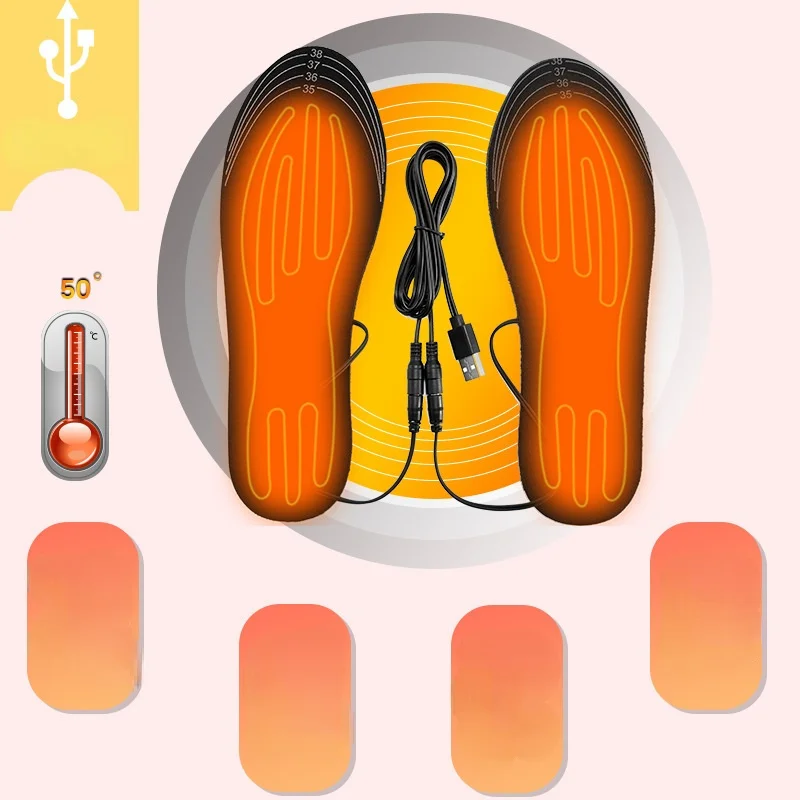
The USB Rechargeable Heated Insoles at £15.99 slip into any shoe or boot and provide under-foot warmth for 4-6 hours per charge. They cover sizes 35-46 (you trim to fit), and the USB charging means you use the same type of power bank as the vest. Pair the two and you have warmth at both ends of your body for under £42.
This combination -- heated vest for the core, heated insoles for the feet -- is the budget answer to cold-weather spectating and standing. It will not match a £200 branded heated jacket, but at a fifth of the price it covers the essentials: your torso and your feet, which are the two areas that get cold first.
The Verdict: Can a £21 Vest Actually Keep You Warm?
Yes, with realistic expectations. A £21 heated vest with a 10,000 mAh power bank will keep your core comfortably warm for 3-8 hours depending on the setting, in temperatures down to around -5°C if you are wearing it over a decent base layer. It is not a replacement for a proper insulated jacket in extreme cold, but for the typical UK winter day it does the job.
The 9-zone vest at £21.49 plus heated insoles at £15.99 gives you a complete budget heated kit for £41.48. Add a power bank you probably already own, and you are sorted for winter dog walks, match days, and the cold mornings that make you want to stay indoors.
The honest caveat: the vest is windproof but not heavily insulated, so it works as a mid-layer under a shell or as an outer layer in still air. In strong wind, wear it under a windproof jacket. And remember that the power bank is the limiting factor -- a cheap or old bank will underperform, so use a decent one with at least 2A output.
Featured in this article
Frequently asked questions
Does the heated vest come with a power bank?
No. The vest includes the heating elements and controller but requires a USB power bank, which you supply. This is standard for budget heated vests and is actually an advantage -- you choose the battery capacity that suits your use case. A 10,000 mAh bank gives 3-4 hours on high or 6-8 hours on low.
How warm does a USB heated vest actually get?
The heating pads reach around 40-50°C on the high setting, which feels like a warm hot-water bottle against the skin. The warmth is targeted at the pad locations rather than heating the whole vest. In temperatures down to about -5°C with a base layer, the vest keeps your core comfortable.
Can I wash a heated vest?
Most heated vests are hand-washable after removing the power bank. Disconnect the USB cable, remove the power bank, and hand wash in cold water. Do not machine wash or tumble dry -- the agitation damages the heating elements. Check the specific care instructions on the product page.
Are heated insoles worth it if I already have warm boots?
If your feet stay warm in your boots, you do not need heated insoles. They are for people whose feet get cold despite warm footwear -- poor circulation, long periods standing still, or very low temperatures. At £19.99 they are a cheap fix for a specific problem, not a universal upgrade.
Is it safe to wear a heated vest in the rain?
The heating elements are low-voltage (5V USB) and insulated, so light rain is not a safety concern. However, the vest is not waterproof and a soaking will eventually reach the wiring. Wear it under a waterproof shell in heavy rain to protect both the electronics and the power bank.
Product gallery
Further reading