




Home Storage Declutter Guide: Smart Ways to Organise on a Budget
A practical, budget friendly guide to decluttering and organising a UK home with real storage pieces and honest prices.
SHOPTHIVA Editors
Why decluttering is a better investment than buying more
Most people respond to a cluttered home by buying more storage, and most of them end up with a cluttered home full of storage. The cheaper and more honest route is to clear out first and then decide what genuinely needs a permanent place. This is the order that actually works.
The UK high street leans heavily on the idea that another box or basket will fix the problem. But if you do not know what you are keeping in your hand or why, buying a container just gives the stuff a tidier way to pile up. The container becomes part of the pile.
Start instead with one drawer, one shelf or one corner. Empty it, sort everything into keep, throw, donate or sell, and only then measure what is left and choose storage to fit. It sounds slower, but it is actually faster than re-buying storage for the same mess.
This is also the approach that respects your money. You spend on pieces that earn their place rather than filling a flat with empty promise. A little time sorting beats a lot of money organising the wrong things.
The desk and worksurface: where clutter is most visible
The desk is the room that everyone sees and the one that gathers life fastest. Remote controls, letters, pens, headphones and loose change all land on the same surface, and it takes minutes for a tidy desk to look like a lost cause.
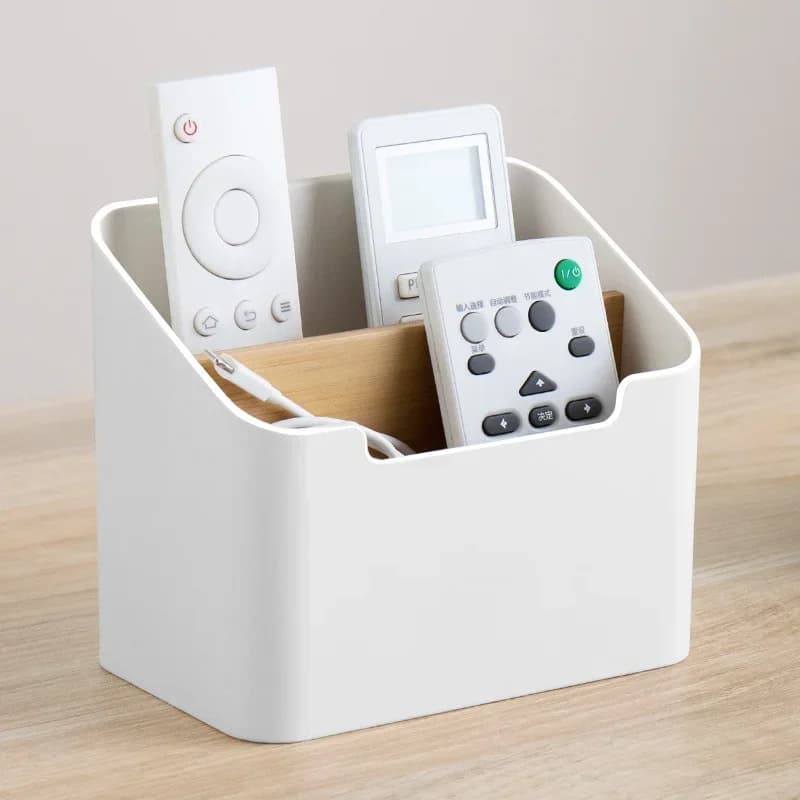
A dedicated home for each frequent item is the fix. The Plastic Desktop Storage Box for Remote Controls Tissues at £15.99 gives remotes, tissues and small odds and ends a clear, single place. When an item has a home, you stop hunting for it, and you stop putting it down anywhere.
The key is giving the everyday items a dedicated spot while leaving room for the occasional ones. A desk that is completely full still looks cluttered even if everything has a box. Leave breathing room, and the surface reads as tidy rather than packed.
It is also worth being realistic about what belongs on the desk at all. If something has not been touched in three months and has no scheduled use, it belongs elsewhere, in a cupboard, a drawer, or out of the house entirely, not on the desk.
Cables and small items: the invisible clutter that drives people mad
Cables are the quiet enemy of a tidy home. They tangle, they disappear, and they turn an organised drawer into a knot of frustration. The honest fix is not to organise them perfectly but to give each cable a clear home so you never have to untangle to find one.
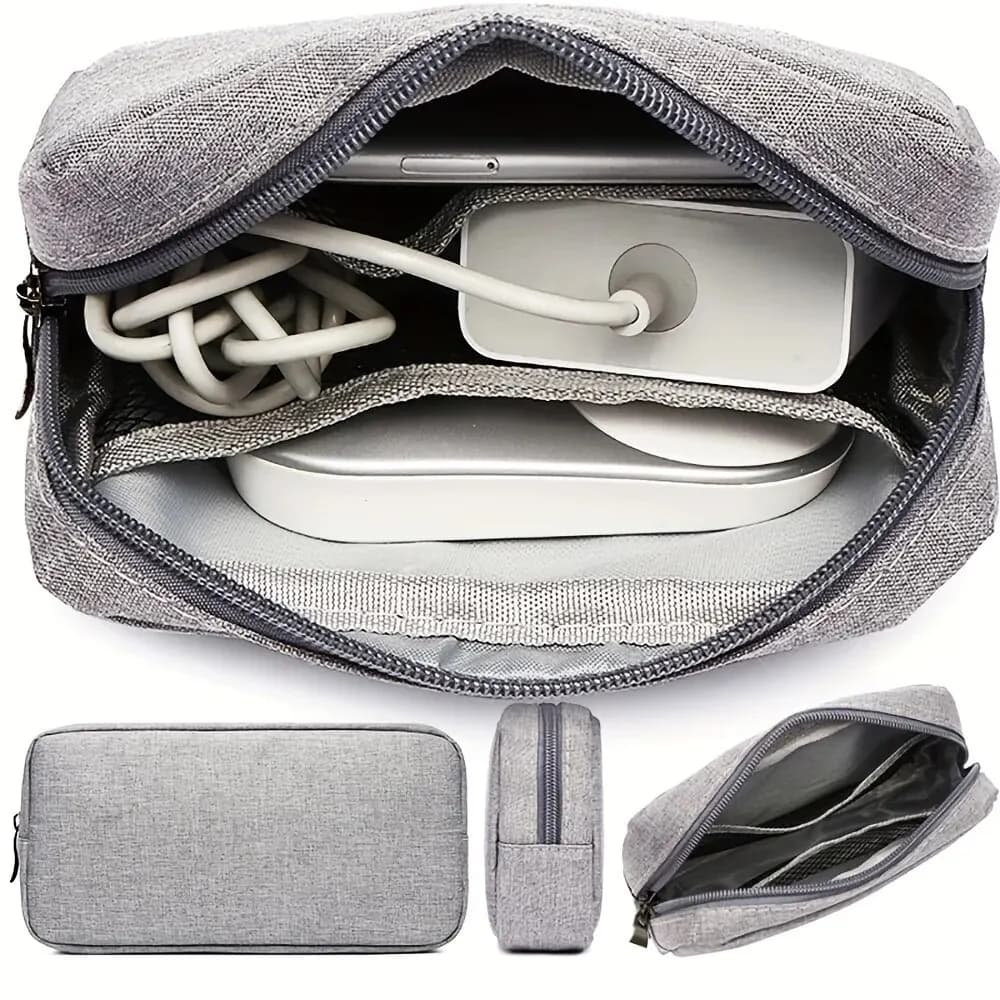
The Storage Bag Cable Cord Organizer Travel Bag Small at £21.99 is built for exactly this problem. Multiple pockets let you sort chargers, adapters and earbuds by type, so the cable you need is the one you can reach without pulling everything else out.
This does double duty for travel. The same organiser that tames a desk drawer packs into a bag and keeps cables from tangling on a journey. That makes it a genuine two-for-one rather than a single-room fix, which is a better way to spend.
The honest caveat is that no organiser fixes cables you refuse to sort. Spend twenty minutes labelling or grouping your cables once, and the organiser does its job afterwards. Skip that step and even the best bag becomes another place to shove a tangle.
Folding storage that works when space is tight
Not every home has a spare room or a big cupboard, and that is where folding storage earns its keep. Pieces that collapse flat when empty and stand ready when needed give small spaces flexibility that rigid boxes cannot.
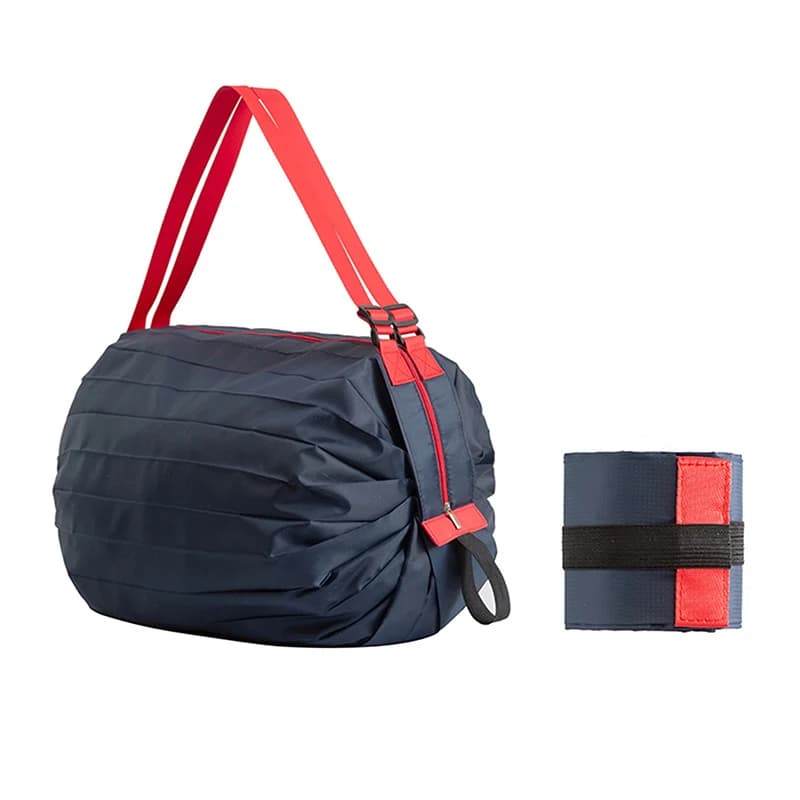
The Foldable Storage Bag with Handle Portable Travel at £18.99 packs down small but expands to hold a surprising amount, from spare bedding to off-season clothes to children's toys. Keep one flat in a wardrobe and pull it out when you need extra capacity.
The travel angle matters too. These bags are genuinely useful for moving, for storage in the car, or for a weekend trip where a rigid suitcase is overkill. A storage piece that also does duty for travel is one you will actually reach for.
The honest point is that folding bags are perfect for soft goods but bad for heavy or fragile items. Put books in a rigid box and spare towels in a folding bag, and the right piece does the right job. Buying one universal solution for everything rarely ends well.
A sensible plan to finish the job room by room
The biggest reason decluttering fails is that people try to do the whole house in a weekend and give up within an hour. The reliable method is one room at a time, or even one surface at a time, finishing each before starting the next. Small wins build momentum.
Set a realistic session length. Thirty focused minutes on a single drawer beats three hours of half-finished projects scattered across the house. Finish what you start, and the visible results keep you going far better than a grand plan does.
Buy storage only after you have cleared, and buy pieces that fit the space you have measured. The price range here, from a £15.99 desk organiser to a £21.99 cable bag, is about spending deliberately rather than cheaply, which is the real definition of budget friendly.
Finally, give every item you keep a named home and stick to it. The system only works if returning things to their place becomes a habit. Done that way, a modest spend on the right pieces keeps the whole house calmer, and that is the actual win.
Featured in this article
Frequently asked questions
How much should I budget for decluttering and home storage?
There is no fixed amount, but the honest guidance is to clear first and only buy what fits what you keep. Most rooms only need a few key pieces, and sensible options fall in the £15 to £25 range each. Spending on the right three pieces beats overspending on ten that do not fit.
Is it better to buy storage before or after decluttering?
Always after. If you buy containers before you clear out, you end up organising things you might have thrown away or donated. Clear and sort first, measure what is left, then buy storage that fits the actual space and the items that remain.
How do I keep a desk from getting cluttered again?
Give every frequent item a designated home and leave breathing room on the surface. Do a two minute reset at the end of each day, returning remotes, pens and cables to their spots. The habit of resetting is what keeps the desk tidy, not the number of containers you own.