
Activewear Fabric Explained: What to Look For Under £25
Most disappointing gym kit fails for one of three reasons: the wrong fibre, the wrong knit density, or a waistband that will not stay put. All three are checkable before you buy.
SHOPTHIVA Editors
Quick takeaways
Cotton is the wrong fibre for sweating. It absorbs moisture and holds it, so it gets heavy, cold and chafing. Polyester and nylon move moisture instead. 'Moisture-wicking' is a structural property, not a coating. It comes from the fibre and knit, it cannot wash out, so be sceptical of anything described as a treatment. Squat-proof is about knit density. Stretch a garment over your hand: if you can read text through it, it will be sheer under load. The waistband decides whether you like it. More returns come from a rolling waistband than from any fabric problem.
Why cotton fails in the gym
Cotton is comfortable precisely because it is absorbent, it takes up moisture readily and holds a lot of it. That is exactly what you want in a towel and exactly what you do not want against skin during exercise.
A cotton t-shirt in a hard session becomes heavy, sticks to the body, and stays wet long after you stop. Wet fabric conducts heat away from the skin far faster than dry, which is why you get cold immediately after training in cotton. Wet fabric moving against skin is also what causes chafing.
Synthetics behave the opposite way. Polyester is essentially hydrophobic, it barely absorbs water into the fibre at all. Instead, moisture travels along the surface of the fibres and through the spaces in the knit to the outside of the garment, where it evaporates.
What moisture-wicking really means
Wicking is capillary action. Narrow channels between fibres pull liquid along them, the same way a paper towel draws up a spill. Performance fabrics engineer those channels deliberately, shaped fibre cross-sections and knit structures that create a gradient from the inside face to the outside.
The key implication: genuine wicking is built into the fibre and the knit. It is a structural property, so it cannot wash out. If a product's breathability is described as a finish or a treatment, it will fade.
One practical care note: fabric softener coats fibres and blocks the capillary channels. It is the most common reason activewear stops performing after a few months. Skip it entirely.
The opacity test
Sheerness under stretch is the single most common complaint about affordable leggings and shorts, and it is entirely predictable from the knit.
The test is simple and you can do it the moment a parcel arrives: stretch the fabric over the back of your hand or over a page of text. If your skin tone or the words show clearly through it, it will be transparent in a deep squat or a hinge.
What drives it is knit density and yarn thickness rather than price. A thicker, denser knit with a good elastane percentage, typically somewhere between 12% and 25%, recovers its shape and stays opaque under load. Very thin, very light fabric is comfortable in a stretch class and unreliable in the squat rack.
Colour matters too. Light greys and pastels show sweat patches and go sheer more visibly than dark tones. If you only buy one pair, buy black.
Fit details that decide whether you wear it
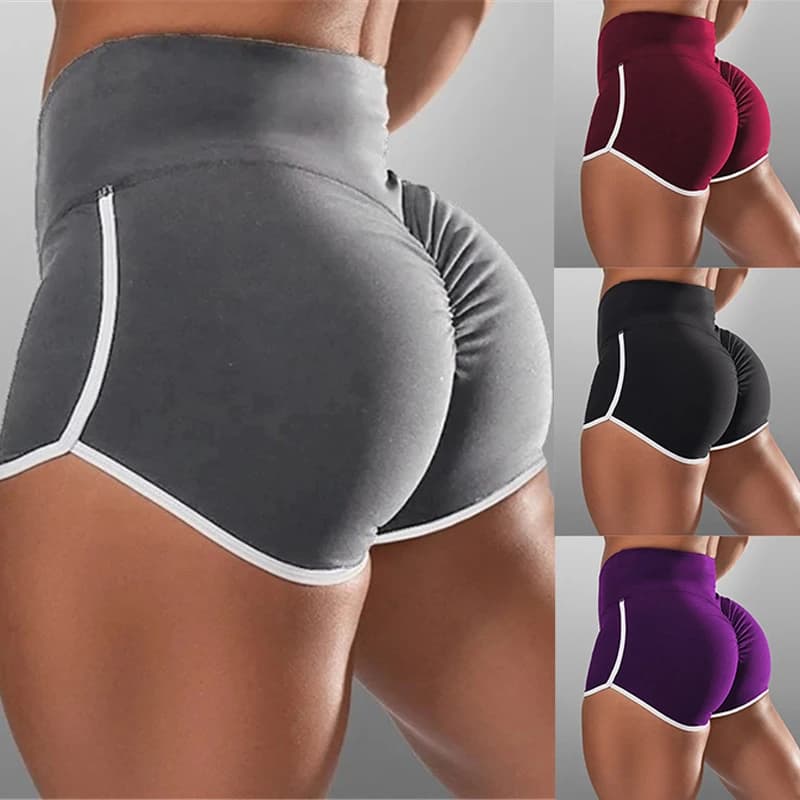
Waistband height and width. A wide, high waistband distributes pressure and stays put; a narrow one concentrates it in one line and rolls. For shorts and leggings, this is the detail most worth caring about.
Seam placement. A seam running along the inner thigh is a chafing risk. Flatlocked or seamless construction through that area is worth looking for.
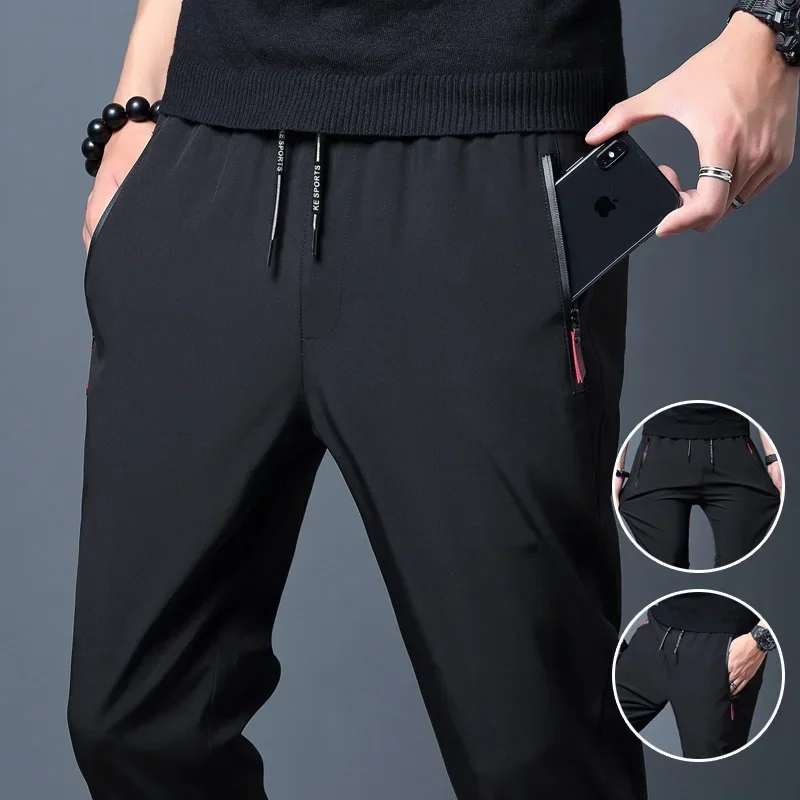
Pockets. A side pocket that holds a phone without it slapping is genuinely useful; a tiny key pocket at the back is not.
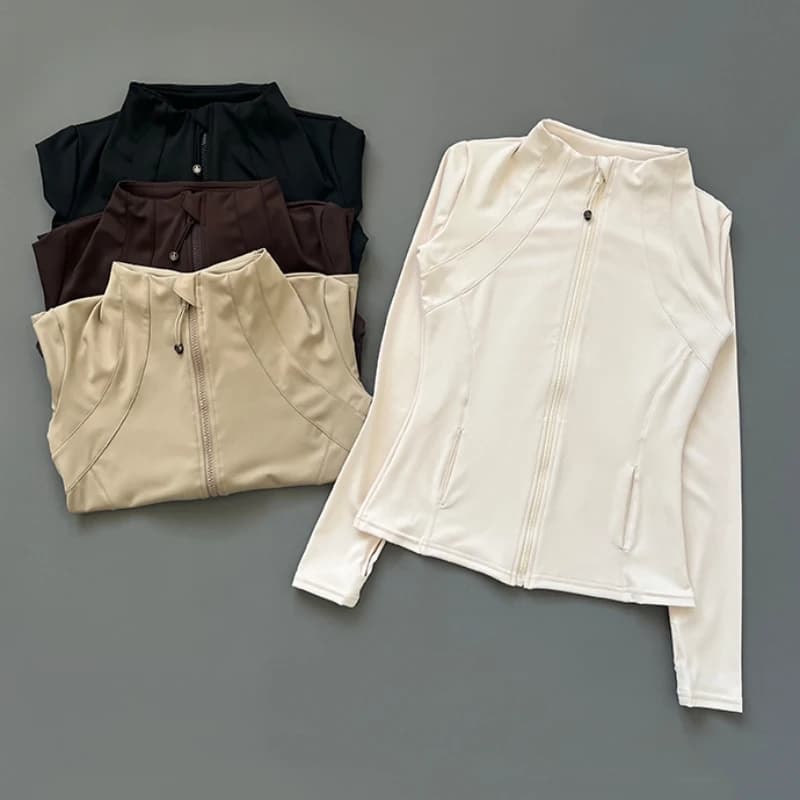
Layering. A lightweight zip jacket is the most-used piece in most people's gym kit, worn to and from, taken off after the warm-up. A stand-up collar and a slim cut stop it flapping during movement.
Care, briefly
Wash cool, no softener, and hang to dry. Heat is what kills elastane, a hot wash and a tumble dryer will take a well-made pair of leggings from squat-proof to baggy in a season.
Wash sooner rather than later. Synthetic fabrics hold odour more stubbornly than cotton because oils bind to the fibre surface, and leaving damp kit in a bag overnight is what makes that permanent.
Featured in this article
Frequently asked questions
Why is cotton bad for workout clothes?
Cotton absorbs and holds moisture, so it gets heavy, clings, chills you once you stop, and causes chafing where wet fabric rubs. Polyester and nylon move moisture to the outside of the garment instead of storing it.
How do I know if leggings are squat-proof?
Stretch the fabric over the back of your hand or a page of text. If skin tone or writing shows clearly through, it will be sheer under a deep squat. Denser knits and darker colours are the safer choice.
Does moisture-wicking wash out?
Genuine wicking cannot, because it comes from the fibre and knit structure. What does ruin it is fabric softener, which coats the fibres and blocks the capillary channels. Skip softener on all activewear.
How should I wash activewear?
Cool wash, no fabric softener, hang to dry. Heat degrades elastane, so tumble drying is what turns a supportive pair of leggings baggy. Wash promptly rather than leaving damp kit in a bag.
Product gallery
Further reading