
EVA Foam Shoes for Men: A Practical Buying Guide
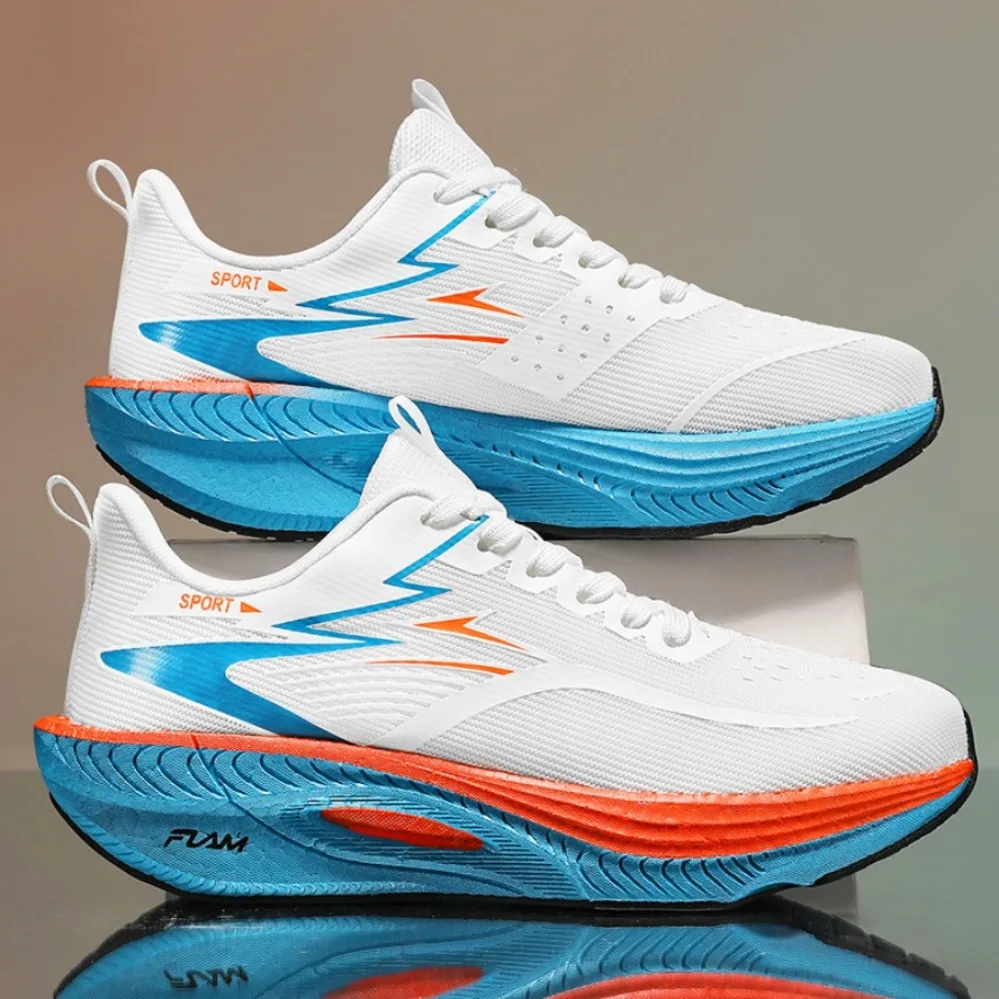
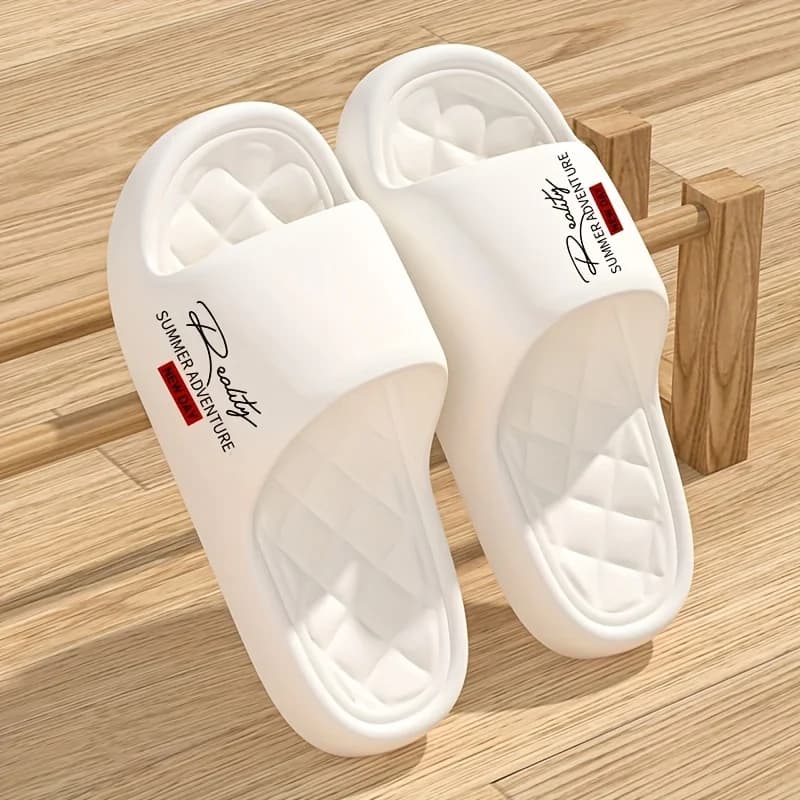
EVA foam shoes are light, soft, and surprisingly versatile. This guide covers what EVA actually is, when it makes sense, and what to check before you buy a pair like the Innovative Design EVA Men's Shoes at £19.99.
SHOPTHIVA Editors
Quick takeaways
EVA (ethylene-vinyl acetate) is a foam polymer prized in footwear for being extremely light, soft underfoot, and water-resistant. If you've worn a slip-on clog or a cushioned sandal, you've already felt it.
For casual everyday use, a pair like the Innovative Design EVA Men's Shoes hits the sweet spot of low weight and all-day comfort at £15.99. They're not running shoes, and they're not winter boots, but for the right use case they're hard to beat on price-to-comfort.
This guide covers what EVA actually does well, where it falls short, and the practical checks to make before buying any EVA-based shoe.
What makes EVA foam different
EVA is a copolymer of ethylene and vinyl acetate. The higher the vinyl acetate content, the softer and more rubber-like the foam becomes. In shoe manufacturing it's used for midsoles, sock liners, and increasingly for whole-shoe moulded constructions like the Innovative Design EVA Men's Shoes.
The main material benefits are threefold. First, weight: EVA is markedly lighter than solid rubber or polyurethane, so an EVA shoe often feels nearly weightless on the foot. Second, cushioning: the closed-cell foam compresses under load and rebounds, absorbing shock without feeling squishy. Third, water resistance: the closed-cell structure barely absorbs moisture, which is why EVA is so common in pool slides and beach footwear.
There are trade-offs. EVA alone compresses over time and can develop permanent indentations where your heel and ball of foot sit. That's why performance running shoes usually pair EVA with a denser outsole rubber at high-wear points. For casual shoes worn a few hours a day, the wear is far less of a concern.
If you want the technical deep dive, the Wikipedia article on ethylene-vinyl acetate covers the chemistry and typical applications in more detail.
When EVA shoes make sense (and when they don't)
EVA shoes shine in casual, warm-weather, and indoor-adjacent settings: walking the dog, popping to the shops, garden work, holidays, commuting in fair weather, or as a backup pair you keep by the door. The water resistance makes them genuinely useful around water - poolsides, boats, campsites.
They are less suited to situations that demand structural support or grip. EVA foam is soft, so it's not the right choice for hiking on rough terrain, heavy lifting in the gym, or any job that needs a steel toe. The tread pattern on moulded EVA shoes is usually shallow, so wet grass and smooth tiles can be slippery.
For everyday casual wear - the use case the Innovative Design EVA Men's Shoes is built for - they're a sensible, low-cost option. Think of them as the shoe equivalent of a comfortable house slipper you can also wear outside.
How EVA compares to other casual shoe materials
Against canvas plimsolls: EVA is more cushioned and fully water-resistant, where canvas absorbs water and offers little shock absorption. Canvas breathes better, though, so in very hot weather a canvas shoe may feel cooler.
Against rubber clogs: rubber is more durable and more rigid, which is better for gardening or wet environments where you need protection. EVA is lighter and softer, making it more comfortable for extended walking but less protective against stubbed toes.
Against polyurethane (PU) soles: PU is denser and lasts longer under heavy use, but it's heavier and less cushioned. For a casual sub-£25 shoe, EVA is the more comfortable choice; for a work boot you expect to last years, PU is the better material.
For a broader look at how foam midsoles are evaluated in performance footwear, the RunRepeat data on shoe cushioning and weight is a useful independent reference, and the Sports Medicine review of running shoe midsole materials summarises the academic consensus on foam-based cushioning.
What to check before you buy
Sizing: EVA shoes are often moulded in whole sizes and can run large or small depending on the last. Check the size chart on the product page and read any buyer feedback on fit. The Innovative Design EVA Men's Shoes listing at £15.99 is a good example of a shoe where confirming your size first avoids a return.
Sole construction: look for a textured outsole pattern if you'll wear them on smooth or wet surfaces. A completely smooth EVA base is fine for indoors but treacherous on wet tiles.
Ventilation: fully moulded EVA shoes don't breathe, so they can get warm. If you'll wear them for long stretches, look for drainage holes or a design that pairs an EVA sole with a fabric upper.
Intended use: be honest about what you'll actually do in them. If the answer is 'casual walking in fair weather', an EVA shoe at this price point is a solid buy. If you need a serious walking shoe for all conditions, budget more and look for a shoe with a rubber outsole and a more structured upper.
Featured in this article
Frequently asked questions
Are EVA shoes good for walking long distances?
For short to moderate walks on flat ground, yes. EVA foam cushions well and is very light. For long hikes or rough terrain, the lack of structure and shallow tread make a dedicated walking shoe with a rubber outsole a better choice.
Do EVA shoes smell over time?
Fully moulded EVA doesn't absorb water, but it also doesn't breathe, so sweat can pool inside. Rinsing them and letting them air dry fully keeps odour down. Designs with drainage holes or a fabric upper breathe better.
How long do EVA foam shoes last?
It depends on use. For a few hours of casual wear a day, expect a season or more. Heavy daily use on hard surfaces will compress the foam faster, usually showing as flattened areas under the heel or ball of the foot.
Can you wear EVA shoes in the rain?
You can - the foam itself is water-resistant and won't be damaged. The risk is grip: moulded EVA soles are smooth and can slip on wet tiles or wet grass. Pick a pair with a textured outsole if wet conditions are likely.
Product gallery
Further reading