

Soft Plush Toys for Kids: A Parent's Buying Guide
A practical guide to choosing soft plush toys for children, from a cute duck to handheld water play, with honest prices and real review patterns.
SHOPTHIVA Editors
Why a Soft Toy Still Matters
When adults search for a toy, they usually picture something with batteries and flashing lights. Yet most children reach for the simple things first. A soft plush companion that fits in a small hand offers comfort that no screen can match. It is the thing they carry to bed, the thing they name, and the thing they tell secrets to.
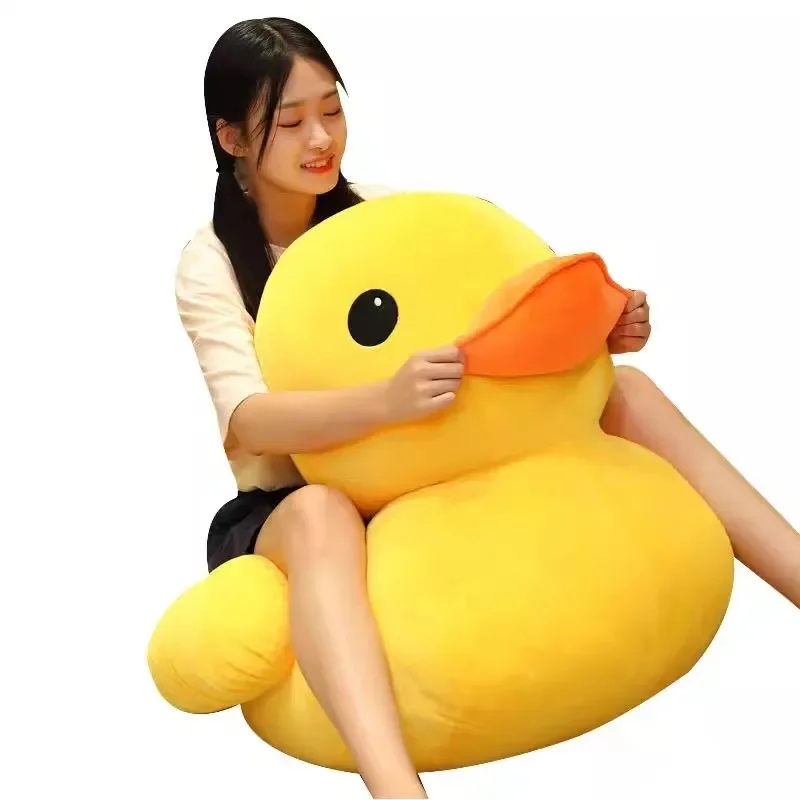
The Big Yellow Duck Mini Plush at £15.99 is a good example of what makes a plush toy worth keeping. It is soft, small enough to travel, and bright enough to be found in any room. At that price it sits comfortably in the range for a birthday or a just-because gift, without the buyer worrying about cost per use.
Parents also value something that survives normal play. Children do not treat toys gently. They drop them, hug them, take them to the car and occasionally test them in the bath. A plush that keeps its shape through all of that earns its place. The construction matters more than the brand name on the tag.
There is a reason plush toys have stayed popular for generations. They do not need an app, a charger or an update. They are dependable in a way that many modern gifts are not, and children notice that difference even if they cannot name it.
The Quiet Appeal of the Yellow Duck
Some toys become favourites because they are simply fun to look at. The duck in this guide has that quality. It is a cheerful shade of yellow that stands out on a shelf, in a pushchair or on top of a bed. Its expression is friendly rather than fussy, which matters when the toy becomes a regular part of a child's routine.
Multiple buyers report that their children reach for it again and again, which is the clearest sign a toy works. A toy that gets picked up on the first day is a novelty. A toy that gets picked up on the thirtieth day is a companion. That shift from novelty to companion is exactly what parents are looking for when they shop.
The size also matters. A plush that is too large ends up left on a shelf because it is awkward to carry. A mini plush fits in a coat pocket and a small rucksack, so it can come to nursery, to the park and on holiday. Practicality might not be the first word parents think of for a cuddly toy, but it is often the reason the toy ends up being used.
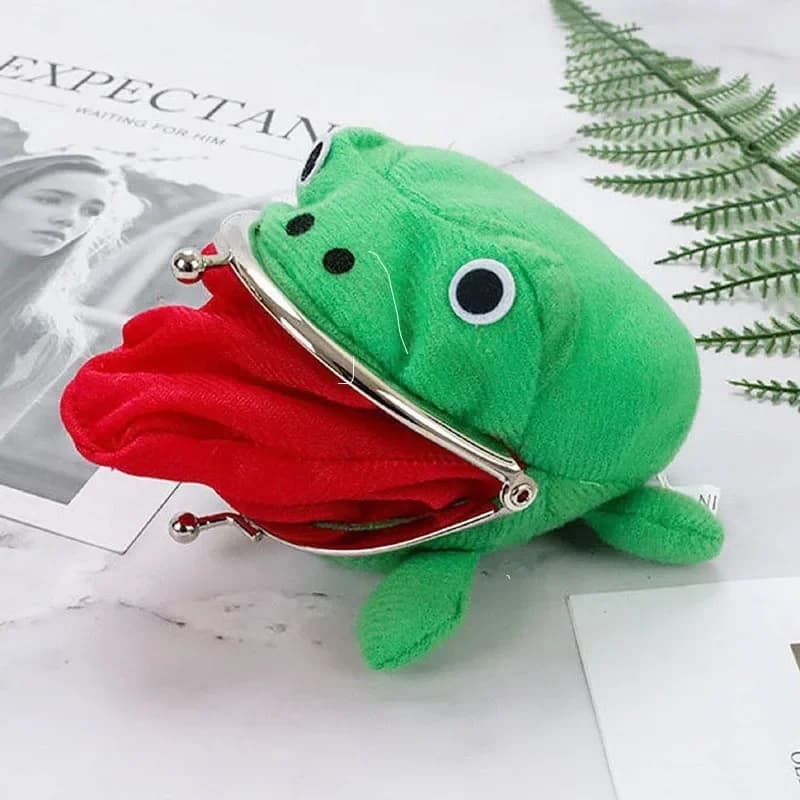
At £15.99, the Plush Frog Coin Wallet offers a slightly different take on the same idea, with a playful design that older children and even teenagers enjoy. It works as both a soft toy and a small coin bag, which gives it a second life once the purely soft stage passes.
Play That Moves: Water Toys for Warmer Days
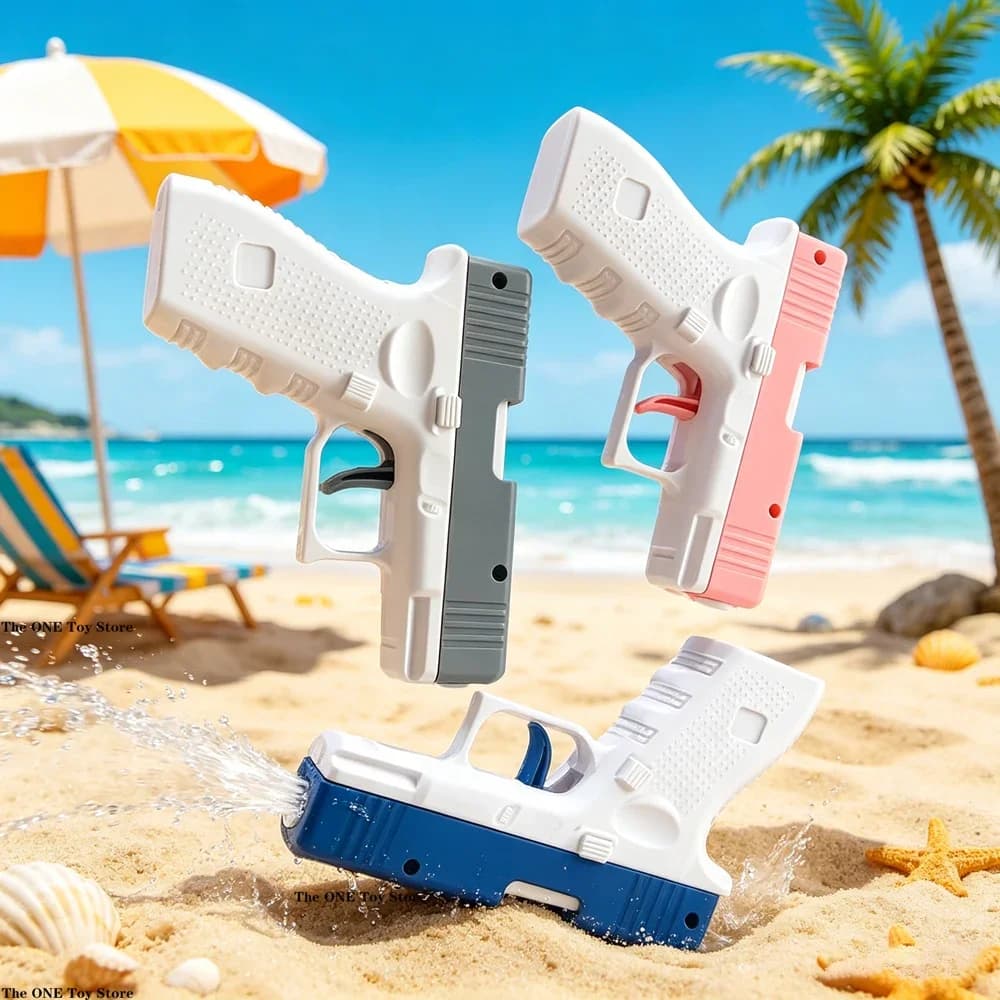
Not every good kids toy sits still. On warm afternoons, water play is one of the few activities that keeps children happy and outdoors for hours. The Water Gun Toys at £13.99 are built for exactly that kind of session, with a strong pressurised stream that makes garden games properly exciting.
Buyers consistently mention how much fun the splash from these water guns provides and how well they hold up to repeated use. In a sea of flimsy alternatives that split on the second fill, a water gun that survives the summer is worth the slightly higher price. Parents report the stream carries the distance needed for tag across a lawn.
There is a seasonal honesty to consider here. Water toys are at their best from late spring through to early autumn in the UK, when the weather actually cooperates. That does not make them a worse buy for the rest of the year, because summer reliably comes around again. The toy sits in a cupboard for a few months and then earns its keep daily.
If the goal is to get children off screens and into the garden, a water gun is one of the most direct tools available. It needs two people to be fun, which quietly encourages siblings and friends to play together rather than each staring at their own device.
What Makes a Kids Toy Honest Value
The clearest measure of a toy's value is not its sticker price but how often it gets used. A plush that costs £15.99 and is carried around for a year has cost less per day than a single sweet. A water gun that delivers a whole summer of garden games has already paid for itself by the first heatwave.
This is the cost-per-use logic that most parents instinctively apply, even if they do not put a number on it. The trick is to avoid the trap of buying toys that look impressive in the shop but are ignored at home. Simple, soft, tactile toys tend to win over complicated ones precisely because they do not demand anything from the child.
The Plush Frog Coin Wallet shows how a single toy can cover two needs. Younger children enjoy the soft frog itself, while slightly older ones use the coin compartment for pocket money. That dual role makes it a smarter gift than a toy with only one narrow function.
None of these are the kind of toy that demands constant adult attention. They let a child lead the play, which is exactly what children need. A toy that encourages imagination and independence is worth more than a box full of gadgets that all do the same thing.
Honest Downsides to Consider
No buying guide is complete without an honest look at the trade-offs. With plush toys, the main consideration is cleaning. A soft toy that gets dragged everywhere will collect marks, so check whether the fabric can be wiped clean or gently washed. The duck and the frog are designed for everyday handling, but routine care extends their life.
Water toys have a different trade-off. They are seasonal, which means they spend part of the year unused, and they work best outdoors where the puddles do not matter. They are also the kind of toy that works best between siblings or friends, so a single child might not get the full game out of them.
The other honest point is that preferences vary widely between children. Some will adore a yellow duck and ignore a frog, while others do the opposite. That is not a flaw in either toy, it simply means the buyer should pick based on the child they know rather than assuming one design works for everyone.
Keeping these caveats in mind turns the purchase into a considered one rather than a guess. When the choice is informed, the toy is far more likely to become the kind of lasting favourite that makes the whole exercise worthwhile.
Featured in this article
Frequently asked questions
Are these plush toys suitable for young children?
Soft plush toys like the yellow duck are designed for everyday cuddling and are appropriate for children who have moved past the mouthing stage. As with any toy, adult supervision is sensible for the very youngest children, and it is always worth checking the specific care and age guidance on the product page.
How do water guns handle repeated garden use?
Buyers report that the water guns keep their pressure across repeated fills, which is the main thing that separates a good water toy from a disappointing one. Giving them a rinse and letting them dry after use helps them last. They are seasonal in the UK, at their best during late spring through early autumn.
Can the plush frog coin wallet be used as a real purse for a child?
Yes. The frog has a practical coin compartment, which makes it a gentle introduction to carrying pocket money. Children enjoy the playful design while learning to keep a small amount of money in one place. It works as both a soft toy and a first coin purse.
What is the best single gift from this guide?
For most children, the Big Yellow Duck Mini Plush is the safest bet because it is soft, cheerful and easy to carry, so it gets used daily rather than left on a shelf. For warmer months, the water guns give hours of active outdoor play if your child has a sibling or friend to play with.