
How to Choose a Motorcycle Side Bag That Actually Fits Your Bike
A no-nonsense guide to picking the right motorcycle side bag for your rides, covering capacity, universal fit, weatherproofing and what to expect for under £35.
SHOPTHIVA Editors
Why a Side Bag Beats a Backpack on Longer Rides
Riding with a backpack for more than 20 minutes gets old fast. The straps dig in, the weight shifts when you lean, and your back is soaked in sweat by the time you stop. A side bag or saddlebag moves that load off your body and onto the bike, which is where it belongs.
The trade-off is that a side bag has to stay put at speed, clear your exhaust, and not flap into your rear wheel. Cheap bags that fail on any of those three points are worse than no bag at all. So the buying decision is really about fit and retention first, capacity second.
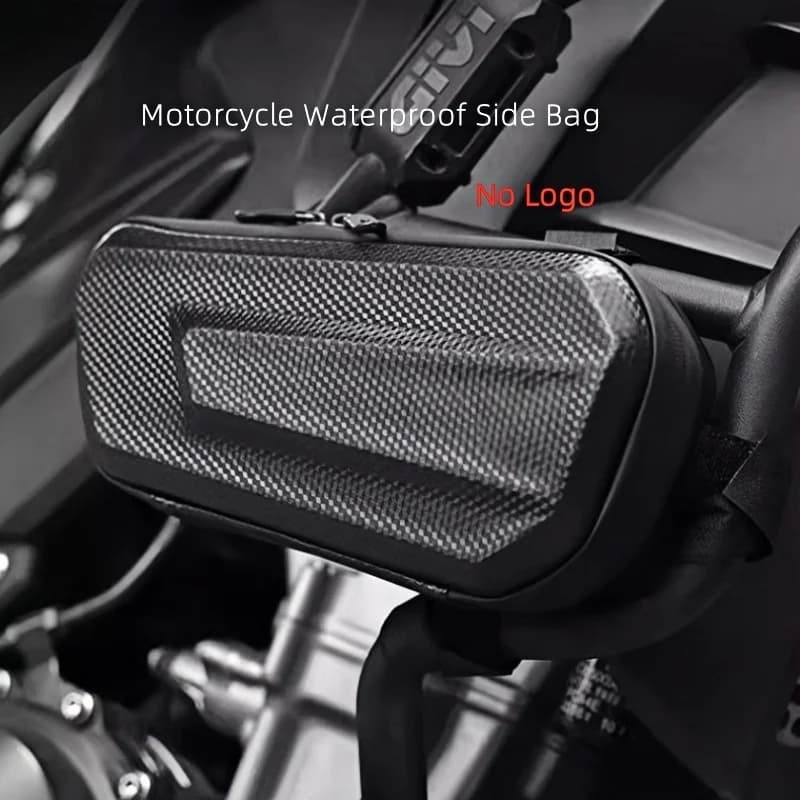
If you commute, do weekend rides, or run errands on your motorcycle, a well-fitted side bag at a sensible price like the Large Capacity Motorcycle Side Bag handles the daily load without the backpack hassle.
Storage Capacity: How Much Room Do You Actually Need
Most riders overestimate how much capacity they need. A daily commute bag holds a laptop, a lock, a rain jacket, and a water bottle - that is roughly 8 to 12 litres. A weekend ride needs room for tools, a change of clothes, snacks, and a first aid kit, so 15 to 25 litres is realistic.
A large-capacity side bag in the 20 to 30 litre range covers both scenarios without forcing you to ride with a half-empty bag flapping around. Anything over 35 litres per side starts to affect handling on smaller bikes and is overkill unless you are touring.
The practical test is this: pack what you actually carry on a normal ride, put it in a plastic bag, and measure it. That number, plus about 20 percent headroom for an extra layer, is your target capacity. Buying the biggest bag you can find just adds weight and wind resistance.
Universal Fit: What It Really Means and What to Check
"Universal fit" is the most overused phrase in motorcycle luggage. In practice it means the bag uses adjustable straps or hook-and-loop mounts that can wrap around most standard frames, grab rails, or pillion pegs. It does NOT mean it will fit every bike perfectly with zero adjustment.
Before you buy, check three things on your motorcycle: the distance between your exhaust and where the bag will hang, the width of your pillion grab rail or frame tubes, and whether your indicator stalks will foul the bag. Most universal bags work on naked bikes, standards, and cruisers with minor strap routing. Sport bikes with high exhausts are trickier and may need a heat shield.
A plain, no-logo saddlebag like the Large Capacity Motorcycle Side Bag is easier to fit because there are no rigid plastic panels to clash with your bodywork. Soft construction means you can position it where it clears the exhaust and strap it down.
Weatherproofing: What Keeps Your Gear Dry
No budget side bag is fully submersible, and honest sellers will not claim it is. What you should expect at this price point is water-resistant outer fabric, taped or sealed seams, and ideally a roll-top or flap closure that sheds rain. A separate internal dry bag is the real waterproofing - the outer bag just protects it from abrasion.
Look for a bag that comes with a rain cover, or budget for one separately. Even a basic cover handles 90 percent of the rain you will actually ride through. The remaining 10 percent is standing water kicked up by the rear wheel, which is why you keep electronics in an inner dry bag regardless.
Avoid bags with exposed zippers facing upward. Water pools in the zipper track and soaks through. Zippers on the top, under a flap, are fine. Zippers on the side facing the wheel will let water and grit in within a few wet rides. Motorcycle News has a useful rundown on choosing waterproof motorcycle luggage that is worth a read before you commit.
Is a £33 Side Bag Worth It - Realistic Expectations
At £18.99 you are not getting a hard-shell pannier with a locking quick-release mount. You are getting a soft, large-capacity saddlebag that does the job for commuting, day rides, and light touring. For most riders that is the right tool, and it leaves £150-plus in your pocket compared to a branded hard luggage setup.
What you should expect: durable fabric, decent strap hardware, and enough room for a day's gear. What you should not expect: military-grade waterproofing, a keyed lock, or the kind of rattle-free fit that a £400 hard pannier gives. As long as you pack smart and use an inner dry bag, a sub-£35 side bag is genuinely useful.
If you want to see whether this style of bag suits your bike before spending more, the Large Capacity Motorcycle Side Bag at £18.99 is a low-risk way to find out. RideApart's motorcycle luggage guide covers the upgrade path if you later decide you want hard panniers.
Featured in this article
Frequently asked questions
Will a universal side bag fit my motorcycle?
Most universal side bags fit naked bikes, standards, and cruisers using adjustable straps around the frame or grab rail. Sport bikes with high exhausts may need a heat shield or different strap routing. Check your exhaust clearance and indicator position before buying.
How much storage capacity do I need for daily riding?
For commuting, 8 to 12 litres holds a laptop, lock, and rain jacket. For day rides, 15 to 25 litres covers tools, spare clothes, snacks, and a first aid kit. Buy about 20 percent more capacity than your typical load to avoid an overstuffed bag.
Are budget motorcycle side bags waterproof?
Most are water-resistant, not fully waterproof. Look for taped seams, a rain cover, and closures under a flap. For genuine waterproofing, keep electronics and documents in a separate inner dry bag regardless of what the outer bag claims.
Can I fit a side bag without a luggage rack?
Yes, most soft saddlebags mount with straps that wrap around the pillion grab rail, frame tubes, or seat. You do not need a rack, but a rack gives a more secure fit and keeps the bag clear of the rear wheel and exhaust.
Product gallery
Further reading