



Magnetic Car Phone Holders: Do They Actually Stay On?
Magnetic car phone holders promise one-handed mounting and no fiddly cradles. The question everyone asks before buying: will my phone fly off on the first speed bump? We break down what holds, what does not, and what £15 actually gets you.
SHOPTHIVA Editors
How Magnetic Phone Holders Actually Work
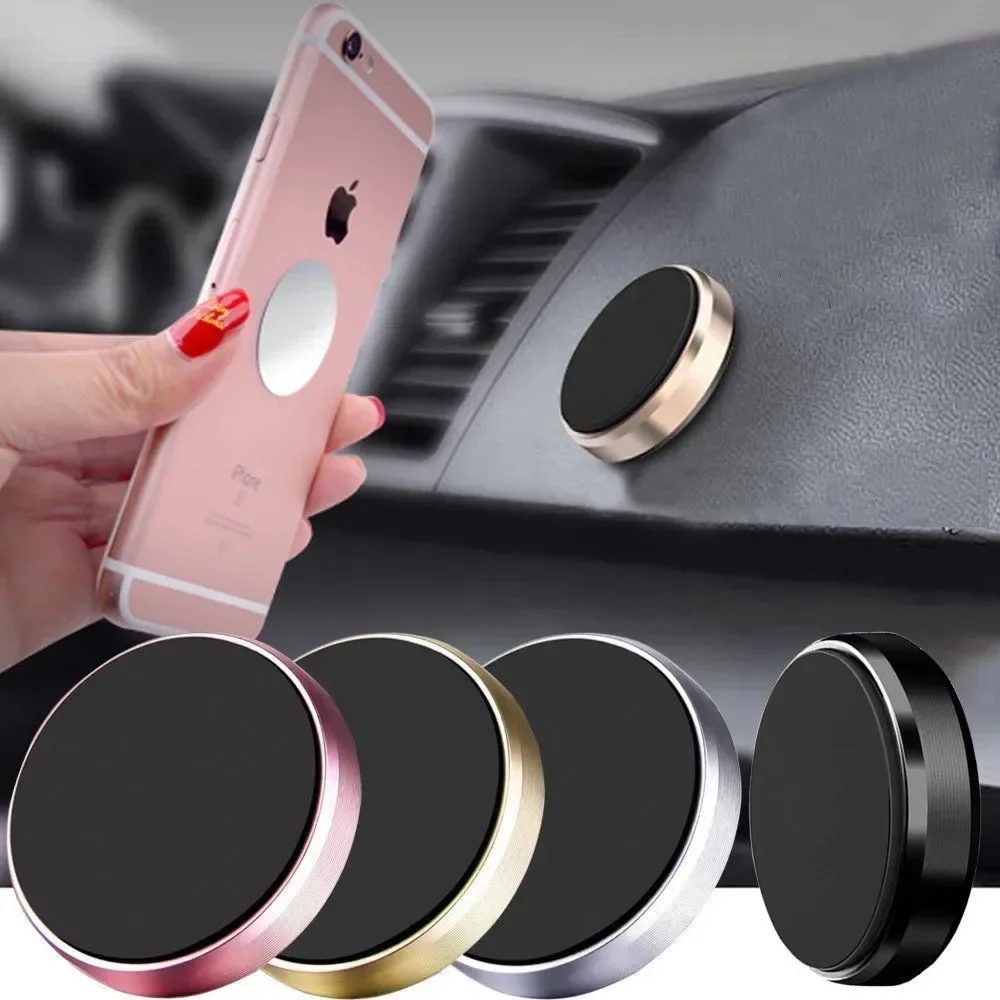
A magnetic car phone holder is not magic. It is a neodymium magnet embedded in a mount, paired with a thin metal plate that you either stick to the back of your phone or slip between your phone and its case. The magnet pulls the plate, and the phone sticks.
The strength of the hold depends on three things: magnet grade, plate contact area, and how directly the plate sits over the magnet. A weak magnet with a tiny plate will drop your phone the first time you brake. A strong magnet with a full-back plate will hold through corners, speed bumps, and pothole-strewn B-roads.
Modern phones are not damaged by these magnets. The magnet does not affect flash storage or GPS, and wireless charging works as long as the plate is positioned below the charging coil. If you use MagSafe, look for a holder designed for it rather than a generic magnet.
There is a persistent myth that magnetic holders interfere with your phone's compass or GPS. They do not. The magnet in a phone holder is a static field, and modern phone compasses are calibrated to compensate for magnetic interference -- that is why your phone asks you to calibrate by moving in a figure-eight when you first open maps. A holder magnet will not cause permanent compass drift, though you may see a brief wobble while the phone is mounted. It settles as soon as you remove the phone.
The Real-World Test: Speed Bumps, Corners and Emergency Stops
Here is what actually happens in a car. The force that dislodges a phone is not vertical gravity -- the magnet easily beats that. It is lateral shear force when you corner, brake, or hit a bump. A 200 g phone hitting a speed bump at 20 mph generates a sideways jolt of several newtons, and that is what tests the mount.
A decent magnetic holder rated at around 1.5 kg pull force will hold a typical phone through normal driving. The Magnetic Car Phone Holder Universal Stand at £14.99 uses a strong enough magnet for this. Where budget holders fail is the adhesive pad that sticks the mount to your dash -- if that lets go, the whole assembly falls regardless of magnet strength.
The fix is simple: clean the mounting surface with alcohol before applying the adhesive, press firmly for 30 seconds, and wait 24 hours before attaching your phone. Most 'the holder fell off' complaints trace back to a dusty dashboard, not a weak magnet.
Temperature is an underrated factor. In a car parked in direct summer sun, the interior can reach 60°C, and cheap adhesive pads soften and fail at that temperature. If you park in the sun regularly, choose a holder with a suction-cup base rather than adhesive, or remove the phone and mount from the dash before parking. The magnetic mechanism itself is unaffected by heat, but the adhesive that holds it to your dash is the weak link.
Magnetic vs Cradle: Which Is Less Annoying Day to Day?
Cradle holders grip the sides of your phone with spring-loaded arms. They are secure but fiddly -- you need two hands to release the phone, and the arms can press side buttons on some phone models. Magnetic holders win on convenience: you slap the phone on and pull it off one-handed.
Where cradles still win is with very heavy phones or rugged cases. A phone in a thick Otterbox-style case may be too far from the magnet for a reliable hold, and the extra weight stresses the adhesive. If you use a heavy case, test the hold before trusting it on a motorway.
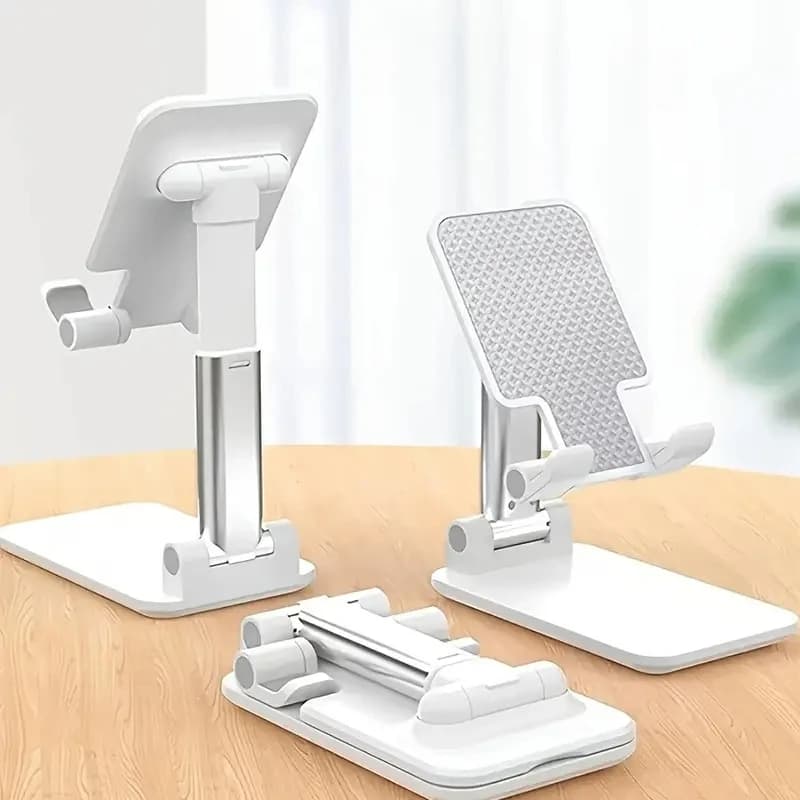
For most people with slim cases or no case, magnetic is the better daily experience. The Desk Mobile Phone Holder Stand at £13.99 applies the same principle to your desk -- a stable angled stand that holds your phone where you can see notifications without picking it up.
One feature worth looking for that is easy to overlook: a swivel ball joint on the mount. This lets you tilt the phone from portrait to landscape without removing it from the magnet. For navigation, landscape is often better because the map shows more of your route ahead. Budget holders sometimes skip the swivel and lock the phone in one orientation, which is fine if you only ever use one app but limiting if you switch between portrait navigation and landscape video.
Where to Mount It (and Where Not To)
The three common mounting spots are dashboard, windscreen, and air vent. Each has trade-offs. Dashboard mounts keep the phone low and out of your sightline, which is safest. Windscreen mounts are easy to position but illegal in some countries if they block your view -- in the UK, anything in the swept area of the wipers can get you stopped.
Vent mounts are compact but have two problems: they block airflow, and the vent louvre can fatigue and droop over time. If you use a vent mount, check that your vent blades are rigid enough to hold the weight.
The magnetic holder we are looking at is a dashboard/windscreen type with adhesive backing. Mount it low on the dash, to the right of the steering wheel, where you can glance at navigation without turning your head. That position is also outside the wiper sweep zone, keeping you on the right side of UK road regulations.
The Verdict: Worth £15?
At £14.99, the magnetic car holder pays for itself the first time you avoid fumbling for your phone in a cradle while navigating a roundabout. The magnet is strong enough for normal driving, the mount is compact, and the one-handed operation is genuinely better than any cradle under £20.
Pair it with the desk holder at £13.99 and you have phone mounting sorted in both places you actually need it -- the car and your desk -- for under £30. Neither will win a design award, but both do the one job they are built for without complaint.
The honest caveat: if you drive on genuinely rough roads daily or use a very heavy rugged case, a mechanical cradle is still the safer choice. For everyone else, a magnetic holder at this price is a no-brainer.
Featured in this article
Frequently asked questions
Will a magnetic phone holder damage my phone?
No. Modern phones use flash storage and solid-state components that are unaffected by the magnets in phone holders. The only thing to watch is wireless charging -- position the metal plate below the charging coil so it does not interfere.
Do magnetic holders work with phone cases?
Yes, with slim cases. The metal plate goes between the phone and the case, or sticks to the outside of the case. Very thick rugged cases reduce magnetic pull because the phone sits further from the magnet -- test the hold before trusting it at speed.
Is a magnetic holder legal in the UK?
Yes, as long as it does not block your view of the road. Mount it low on the dashboard, outside the swept area of your windscreen wipers. Touching your phone while driving is illegal regardless of mount type, so set navigation before you move off.
Why does the adhesive pad keep falling off my dash?
Almost always because the surface was not clean. Wipe the dash with rubbing alcohol, let it dry, press the adhesive firmly for 30 seconds, and wait 24 hours before loading it. Silicone-treated dashboard cleaners leave a film that prevents adhesion.
Product gallery
Further reading