
Men Soccer Shoes TF UK: The Right Cleats for Grass and Training
Transfer talk has everyone thinking about football again. Here's how to pick TF soccer shoes that work on grass, astro and training pitches.
SHOPTHIVA Editors
Why the right soccer shoes matter
Every transfer window brings a fresh wave of football fever, and with it, thousands of players heading back to the pitch for a kickabout. Whether you are joining a Sunday league team, training with mates or just getting back into the game, the shoes on your feet make more difference than most people realise.
The wrong footwear can mean slipping on wet grass, aching feet after an hour, or studs that dig in uncomfortably on hard ground. The right pair, by contrast, lets you plant, turn and strike without thinking about your feet at all. That is the whole point of a good football shoe.
TF, or turf, shoes are a popular middle ground. They use a dense pattern of small rubber studs rather than the longer blades you see on firm-ground boots. This makes them versatile across grass, astro turf and hard training surfaces, which is exactly what most casual and amateur players need.
What TF studs actually do
The small rubber studs on a TF shoe are designed to grip across multiple surfaces without digging in too deep. On natural grass they give you enough purchase to change direction quickly, while on astro turf they avoid the jarring that longer studs can cause.
This versatility is the main reason TF shoes are so popular for training and casual play. You do not need to switch boots between a grass pitch and a 3G cage, which makes them a practical choice for players who are on different surfaces week to week.
The trade-off is that TF shoes are not optimised for any single surface. A dedicated firm-ground boot will give you slightly more bite on pristine grass, and a specialist astro boot will feel sharper on artificial turf. But for most players, the all-round performance of a TF shoe is the better everyday choice.
A pair that covers the basics well
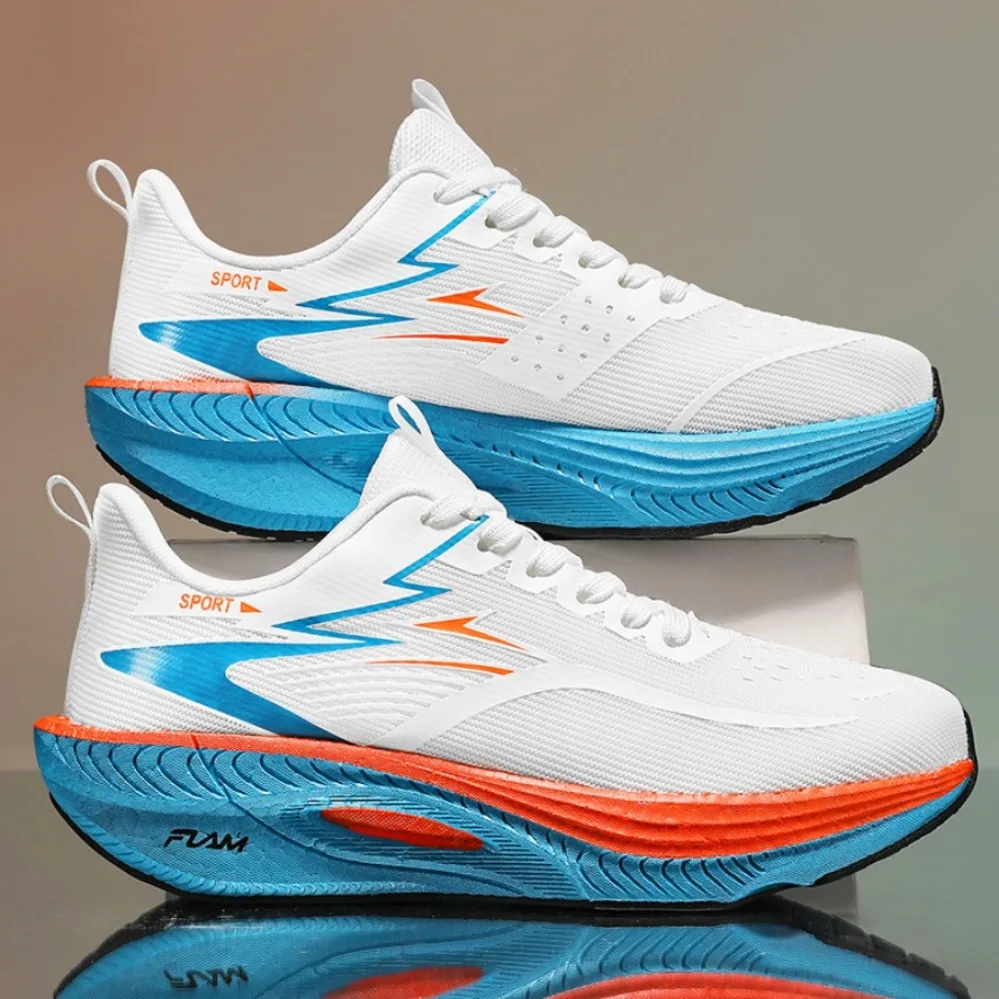
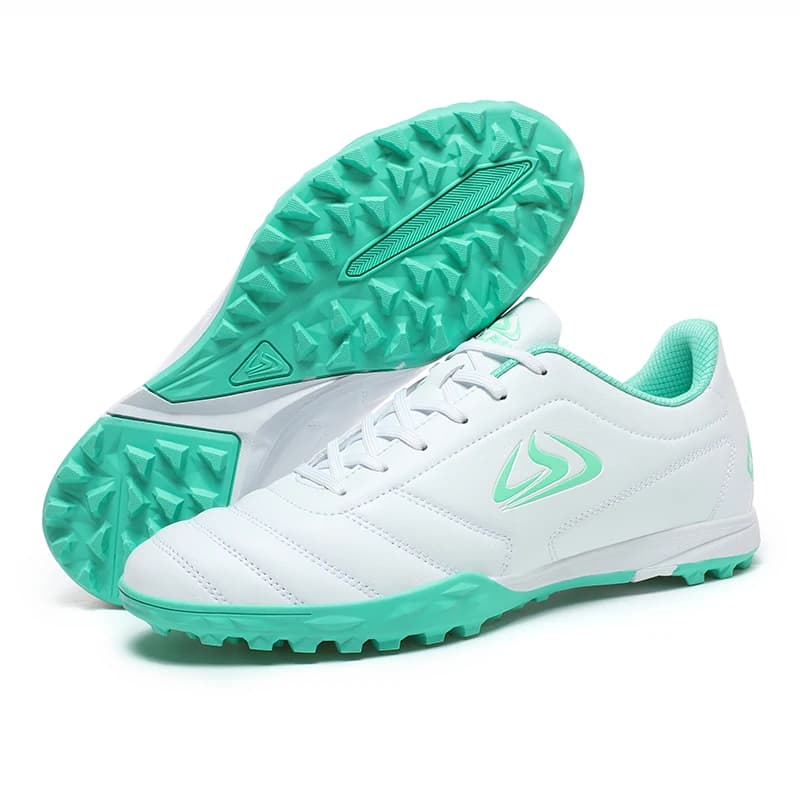
The Men Soccer Shoes TF Match from SHOPTHIVA are built around exactly this all-round idea. At £32.99 they sit in the sensible middle of the market, well below the price of premium branded boots but with the comfort and grip that casual players actually need.
The TF sole handles grass and training surfaces without complaint, and the upper is designed to keep your foot secure through quick changes of direction. For a player getting back into the game or playing a couple of times a week, this is the kind of shoe that does the job without fuss.
The honest caveat is that these are not top-tier match boots. If you are playing competitive football at a high level on pristine grass every week, you may want a firmer-ground specialist. But for training, casual games and mixed surfaces, they offer strong value for the price.
It is also worth thinking about how often you actually play. If football is a once-a-month kickabout, spending a fortune on premium boots is hard to justify. A well-made TF shoe at this price covers the vast majority of casual and training sessions, and the money you save can go towards kit, pitch fees or a proper pair of shin pads.
How to choose the right size and fit
Football shoes fit differently from everyday trainers. They are designed to be snug, because a loose boot lets your foot slide inside and causes blisters. Most players size down half a size from their normal shoe, but the safest approach is to try them on with the socks you will actually play in.
Pay attention to the width as well as the length. A shoe that is too narrow will pinch across the ball of the foot, while one that is too wide lets your foot roll inside. The right fit should feel firm but not painful, with your heel held in place and your toes just short of the end.
If you are between sizes, it is usually better to go slightly smaller for a football shoe, because the upper will stretch and soften with wear. A shoe that starts a touch tight will often break in to a perfect fit, while one that starts loose only gets looser.
Caring for your soccer shoes
A good pair of TF shoes will last a long time if you look after them. The most important habit is to clean off mud and grass after every session, because dried-on dirt wears down the upper and can crack the sole over time.
Let them dry naturally rather than putting them near a radiator or in a tumble dryer. Heat warps the materials and can separate the sole from the upper. Stuffing them with newspaper helps them hold their shape and draws out moisture while they dry.
Store them in a cool, dry place and they will be ready for the next game. With the right care, a £32.99 pair of TF shoes can comfortably see you through a full season of training and casual matches, which makes them a genuinely sensible investment for any player.
Finally, keep an eye on the studs. TF studs are rubber and will wear down over time, especially if you play a lot on abrasive astro turf. When the studs start to look smooth and flat, it is time to think about a new pair, because worn studs mean less grip and a higher risk of slipping. Checking them every few months is a simple habit that keeps you safe on the pitch.
Featured in this article
Frequently asked questions
Are TF soccer shoes suitable for grass pitches?
Yes. TF shoes use a dense pattern of small rubber studs that grip well on natural grass without digging in too deep. They are a versatile choice for players who switch between grass, astro turf and hard training surfaces.
What is the difference between TF and FG football boots?
TF (turf) shoes have many small rubber studs designed for multiple surfaces, while FG (firm ground) boots have longer blades for pristine natural grass. TF shoes are more versatile and comfortable on hard ground, while FG boots offer more bite on soft, well-maintained grass.
How should football shoes fit?
Football shoes should fit snugly, with your heel held in place and your toes just short of the end. Most players size down half a size from their everyday trainers. Try them on with football socks and ensure there is no sideways movement inside the shoe.
Product gallery
Further reading