
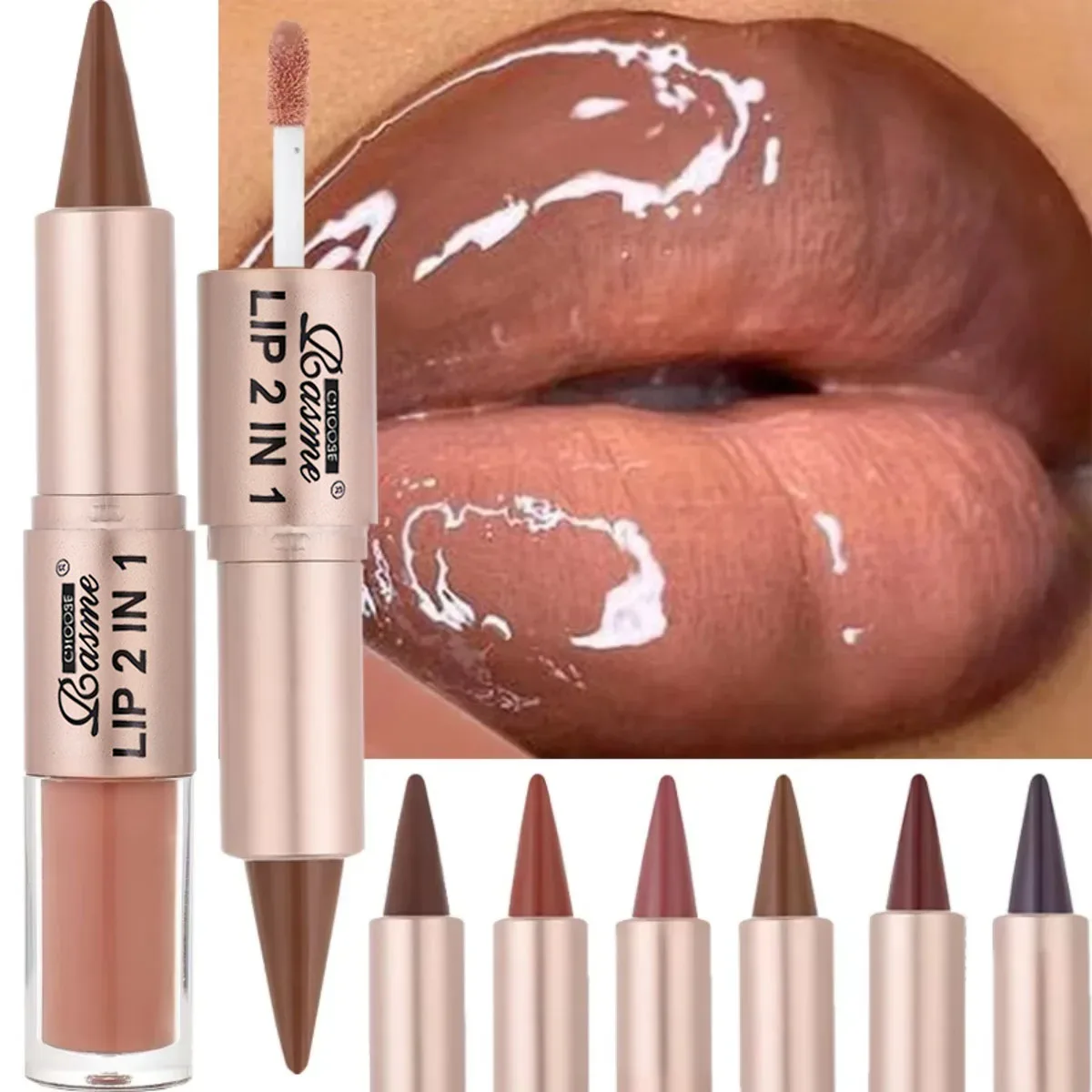
Cotton-Linen Trousers for Men: Why They Beat Jeans in Summer
Denim traps heat and holds moisture against the skin, which is why the same jeans that work in October are miserable in July. Here is what cotton-linen actually does differently, how to spot a well-made pair, and how to keep the creasing under control.
SHOPTHIVA Editors
Quick takeaways
Linen breathes because of the fibre, not the weave. Flax fibres are hollow and wick moisture away from the skin, so a linen blend keeps you drier than cotton at the same weight. A blend beats pure linen for daily wear. Pure linen creases the moment you sit down; a cotton-linen mix keeps most of the airflow while holding its shape through a commute. Fit matters more than fabric in heat. Air has to move, a straight or relaxed leg works, a skinny fit does not, whatever it is made from. Expect creasing and stop fighting it. Linen is supposed to look lived-in. If you want knife-sharp, you want a different trouser.
Why denim is the wrong tool for July
A pair of jeans is typically 12-14oz of tightly woven cotton twill. That construction is exactly what makes denim durable, and exactly what makes it hot. The weave is dense enough to block airflow, and cotton holds roughly seven times its weight in moisture before it starts to feel wet. On a humid day that means sweat sits between the fabric and your skin rather than evaporating off it.
Linen behaves differently at the fibre level. Flax fibres are hollow, which lets them pull moisture off the skin and release it into the air. The yarn is also thicker and more irregular than cotton, so the cloth naturally sits slightly away from the body instead of clinging. That tiny air gap is doing most of the cooling work.
Why a blend, not pure linen
Pure linen is the most breathable option and the least practical. It creases if you look at it, softens unpredictably, and can go shapeless at the knee and seat within a single wear. For a garment you put on for work or travel rather than a beach holiday, a cotton-linen blend is the better trade.
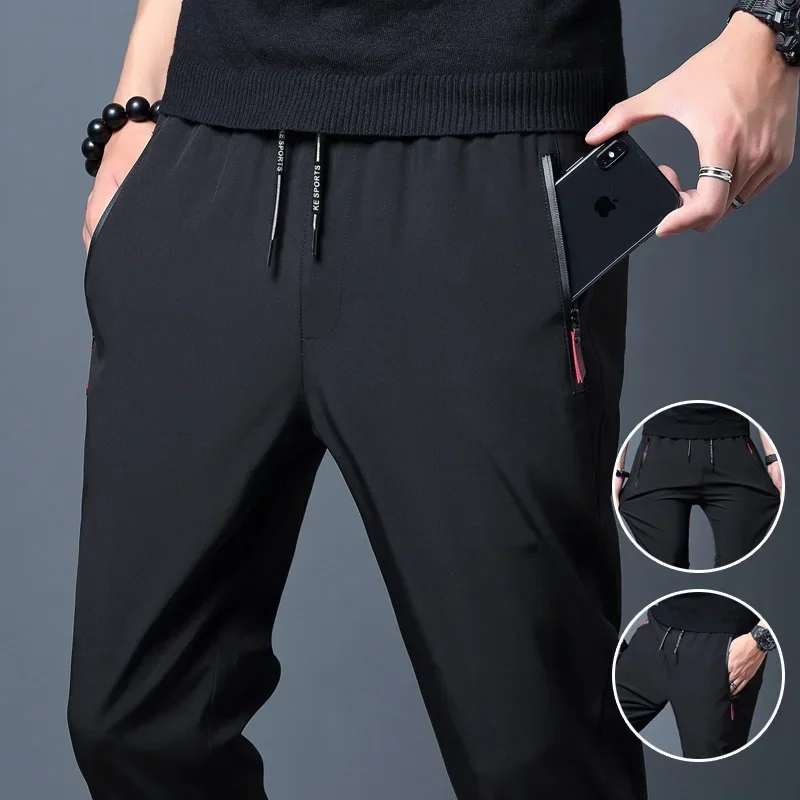
Cotton adds structure and crease recovery; linen supplies the airflow. Something in the region of a 55/45 or 70/30 mix keeps most of the cooling benefit while staying presentable after a few hours in a chair. The Cotton-Linen Trousers we stock sit in that territory, breathable enough to notice the difference against denim, structured enough to hold a leg line.
If you want maximum airflow and minimum creasing, the other route is a smooth synthetic like the ice-silk cut, which drapes rather than breathes. It is a genuinely different feel: cooler to the touch on contact, less absorbent over a long day.
How to judge a pair before you buy
Check the composition, not the name. Plenty of trousers are sold as 'linen-look' with no flax in them at all. If the listing does not state a percentage, assume there is very little.
Look at the waistband. A flat elasticated back panel or a drawstring is normal on relaxed summer trousers and is not a sign of cheapness, a fully rigid waistband on a lightweight fabric tends to roll.
Hold it to the light. Loose-woven linen can be more transparent than you expect, particularly in white, stone and pale beige. Mid-tones and darker neutrals are the safer first purchase.
Mind the length. Linen blends shrink slightly on the first hot wash. Buying a touch long and washing cool is more reliable than the reverse.
Living with the creasing
Creasing is the one thing that puts people off linen, and most of it is manageable. Wash cool and take the trousers out of the machine straight away, leaving them balled up damp is what sets the hard creases. Hang them while still slightly wet and most of the wrinkling drops out under their own weight.
If you iron, do it while the fabric is still a little damp and use steam. Pressing bone-dry linen is slow work and can leave a shine on darker colours. A steamer, if you have one, is faster and gentler than an iron.
The honest framing: linen is a fabric with a relaxed texture, not a fabric that has gone wrong. Trying to make it look like worsted wool is the mistake.
What to wear them with
Neutral cotton-linen trousers are close to a default. A plain tee and leather sandals or canvas trainers reads as summer weekend; swap in a short-sleeve camp collar shirt and loafers and the same trousers carry a dinner or a warm-weather work day.
Keep the top half simple. The texture of the fabric is already doing visual work, so a busy print above it tends to fight. The one pairing worth avoiding is linen trousers with a heavy structured jacket, the weights are mismatched and it looks like two outfits.
Featured in this article
Frequently asked questions
Is linen actually cooler than cotton?
Yes, at the same fabric weight. Flax fibres are hollow, so they wick moisture off the skin and release it faster than cotton does, and linen yarn sits slightly away from the body rather than clinging. The difference is most noticeable in humidity.
What is the best cotton-to-linen ratio?
For everyday wear, somewhere between 50/50 and 70/30 cotton to linen. More linen means more airflow and more creasing; more cotton means better crease recovery and slightly less cooling. Pure linen is best kept for holidays.
Will linen trousers shrink?
A little, on the first hot wash. Wash at 30C or cold and hang to dry and the change is minimal. Avoid tumble drying, which is what causes most of the shrinkage people complain about.
Are light-coloured linen trousers see-through?
They can be, especially in white and pale stone with a loose weave. Hold the fabric up to a light before wearing them out, and choose a mid or dark neutral if you would rather not think about it.
Product gallery
Further reading