



Is a 100% Merino Wool Cardigan Worth It? Autumn Layering, Sorted
What makes merino worth the extra over acrylic, how to layer a wool cardigan from August evenings into autumn, and how to wash it so it lasts years.
SHOPTHIVA Editors
Why merino beats the acrylic knit you already own
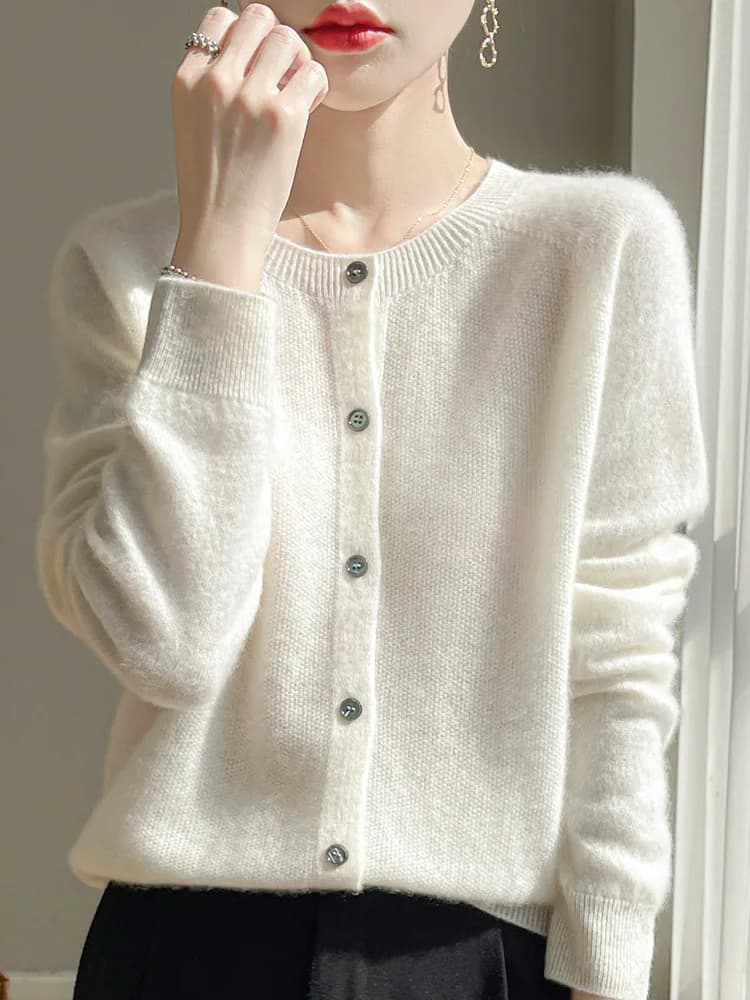
Merino fibres are finer than standard wool, which is why a merino cardigan feels soft straight onto skin rather than prickly. The practical difference shows up in wear: merino breathes, so you can put it on over a t-shirt at 16°C in the morning and not be clammy by lunchtime. Acrylic holds odour and pills at the elbows within a season; merino resists both, which is why it costs more and why people who buy one tend to replace it with another.
The honest caveat: merino needs slightly more care. Cool hand-wash or a wool cycle, dry it flat, and never tumble dry. If you want a throw-in-the-machine knit, acrylic is the right buy. If you want the one cardigan you reach for from September to March, this is the category to spend in.
How to layer it now, in August
Right now the cardigan works as outerwear on its own: over a vest or slip dress for cooler evenings, sleeves pushed up. From mid-September it becomes the middle layer, t-shirt underneath, trench or mac over the top when the rain starts.
Colour-wise, a neutral (oatmeal, grey, navy) earns its keep fastest because it sits under any coat you already own. If your coats are all dark, a cream knit lifts the whole outfit without trying.
Care in 60 seconds
Wash cool and infrequently, merino genuinely needs fewer washes because it resists odour; airing it overnight is usually enough. De-pill gently with a cashmere comb once a month rather than a razor. Fold, never hang: hangers stretch the shoulders of any knit.
Do that and a good merino piece lasts five-plus years, which changes the cost-per-wear maths completely against a £15 acrylic that lasts one winter.
Merino vs cashmere vs acrylic, the honest comparison
Cashmere is softer and warmer gram for gram, but it pills faster, costs three to five times more, and punishes careless washing. Acrylic is cheap and machine-friendly but traps heat and odour, which is why an acrylic knit feels sweaty on a train and needs washing after every wear. Merino sits in the useful middle: softer than lambswool, far more durable than cashmere at this price, and naturally odour-resistant so it needs washing perhaps a third as often.
That washing point is worth dwelling on, because it is the hidden cost saving. Fewer washes means the garment keeps its shape and colour for years, and it means less of your time. A knit you wear forty times a winter and wash six times simply lasts longer than one you wash twenty times.
There is also the temperature-regulation argument. Merino keeps you warm when it is cold and stops you overheating indoors, because the fibre moves moisture away from skin. That is why the same fibre appears in hiking base layers and in office knitwear, it is doing the same job in both.
Sizing and shape: how a cardigan should actually fit
For layering, buy your usual size or one up, you want the front edges to meet without pulling when worn over a shirt. Sleeves should end at the wrist bone with the cuff pushed down; too long and the cuffs bag out within weeks from being shoved up.
Shape-wise, a mid-hip length is the most versatile: long enough to wear open over a dress, short enough to tuck-adjacent with high-waisted trousers. Longline cardigans are lovely but commit you to one silhouette.
Featured in this article

Frequently asked questions
Is merino wool itchy?
No, merino fibres are much finer than standard wool, so most people can wear it directly on skin without irritation. If you have very sensitive skin, wear a thin cotton layer underneath.
Can I machine wash a merino cardigan?
Only on a dedicated wool/hand-wash cycle at 30°C or below, in a mesh bag, with wool detergent. Never tumble dry, dry it flat on a towel.
When will I actually wear it in the UK?
Realistically September through April as a layer, plus summer evenings. It is one of the highest wear-count items in a UK wardrobe.
Product gallery
Further reading