

Meteo UK Weather Gear: Lightweight Rain Jackets and Sun Sleeves for Unpredictable Forecasts
British weather changes fast and the forecast only tells part of the story. Here is how to build a compact weather kit with a lightweight waterproof rain jacket and UV protection sun sleeves, so you stay dry and protected whatever the meteo throws at you.
SHOPTHIVA Editors
Why UK Weather Needs a Layered Approach
If you have ever checked the meteo forecast in the morning, dressed for sunshine, and been caught in a downpour by lunchtime, you already understand why British weather demands a layered approach. The UK can experience four seasons in a single day, and relying on a single layer or a single forecast check is a recipe for discomfort. The solution is not to carry a full wardrobe, but to have two versatile pieces that handle the extremes, a waterproof outer layer and a sun protection layer.
A lightweight rain jacket handles the wet side of the equation. It packs small, weighs almost nothing, and deploys in seconds when the sky turns. On the other side, UV protection sun sleeves cover your arms when the sun comes out, without the bulk of a long sleeve shirt. Together, these two items weigh less than a jumper and cover both ends of the weather spectrum, which is exactly what you need when the meteo cannot make up its mind.
The mistake most people make is dressing for the forecast at the start of the day and then being stuck when conditions change. A compact weather kit that lives in your bag means you are ready for whatever actually happens, not just what was predicted. In a country where the meteo can shift from clear skies to heavy rain in under an hour, that adaptability is worth far more than any single weather specific outfit.
What to Look for in a Lightweight Rain Jacket
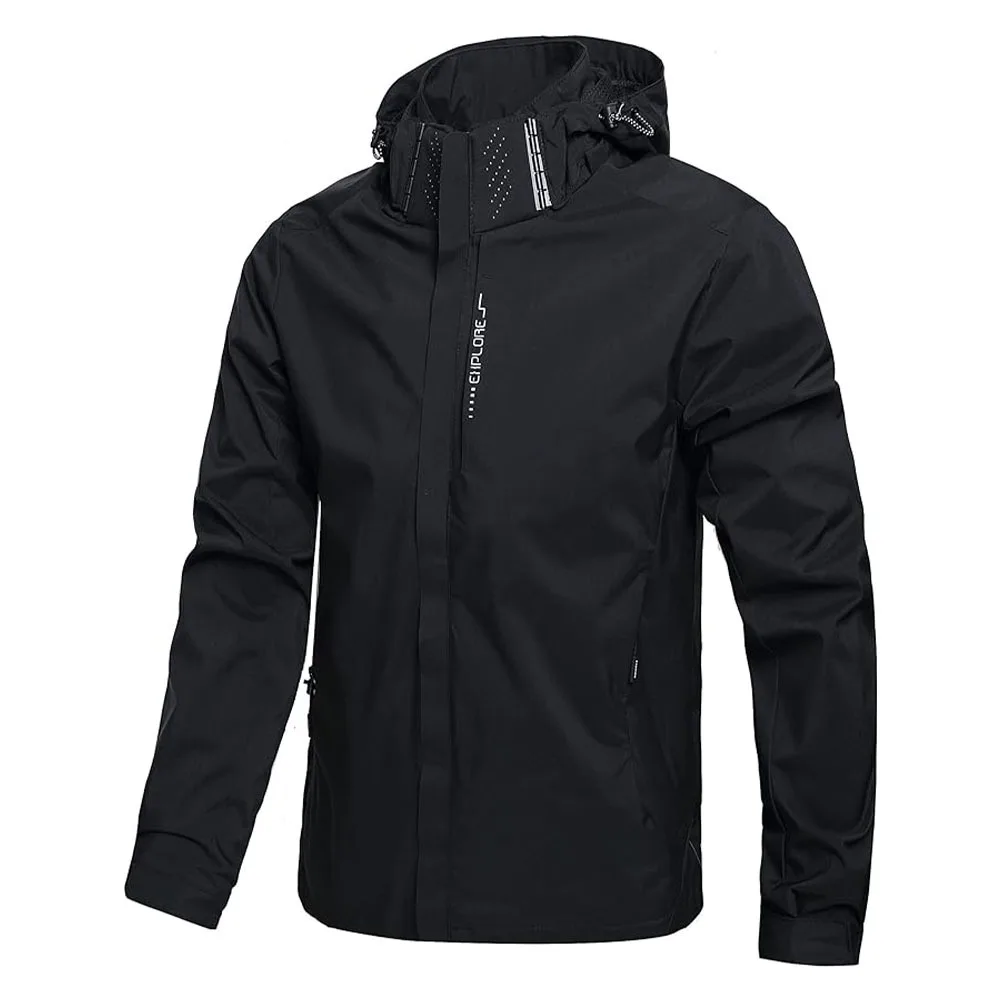
A good lightweight rain jacket does three things well: it keeps water out, it does not weigh you down, and it packs small enough to live in a bag without being a burden. The Men's Waterproof Rain Jacket at £21.49 checks all three boxes. The hooded design means your head stays dry without needing a separate hat, and the lightweight construction means you can fold it into a bag and forget it is there until you need it.
The waterproof rating is the most important spec to check. This jacket uses a waterproof outer layer that sheds rain rather than absorbing it, which is the difference between arriving somewhere dry and arriving somewhere damp and uncomfortable. The seams are sealed to prevent water from creeping in through the stitching, which is a common failure point on cheaper jackets that claim to be waterproof but are really only water resistant.
Fit matters too. You want something with enough room underneath for a base layer on colder days, but not so baggy that it flaps in the wind. The adjustable hood lets you tighten it against wind driven rain, and the full length zip makes it easy to put on and take off quickly when the weather turns. At £21.49, it delivers proper waterproof performance at a price that does not make you nervous about using it in rough conditions.
Sun Sleeves: The Smartest Layer You Are Not Wearing
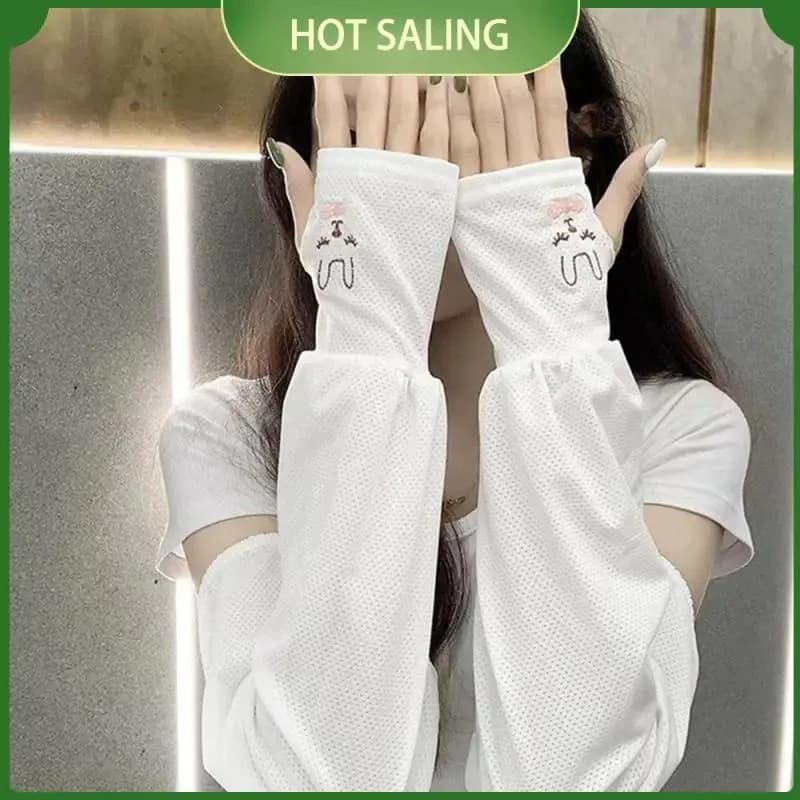
When the sun does come out, sun sleeves are one of the most efficient ways to protect your arms without overheating. The Ice Silk Sun Protection Sleeves at £14.99 are made from a cooling ice silk fabric that blocks UV rays while feeling noticeably cool against the skin. Unlike a long sleeve shirt, they can be pulled on or off in seconds, which makes them perfect for the kind of weather that switches between cloudy and bright throughout the day.
The ice silk material is worth explaining. It is a synthetic fabric designed to feel cool to the touch and wick moisture away from the skin, which means it does not get sweaty and uncomfortable the way cotton does in warm weather. The UV protection factor means you are shielded from the sun during extended outdoor exposure, whether you are driving, walking, or spending time at an outdoor event. The sleeves cover from the wrist to the upper arm, which is the area most people forget to protect.
They are also remarkably versatile. Drivers use them to keep their arms from getting sunburned through the car window on long journeys. Cyclists and runners wear them for morning sessions that start cool and warm up. Gardeners use them for extended time outdoors. At £14.99, they are one of the most affordable pieces of sun protection you can own, and they take up less space than a pair of socks in your bag.
Building a Compact Weather Kit for Everyday Use
The concept behind a weather kit is simple: keep two or three versatile items in your bag at all times, so you are never caught unprepared. The core items are a lightweight rain jacket for wet conditions and sun sleeves for bright conditions. Together they cost under £40 and weigh less than a water bottle, which means there is no reason not to carry them every day during the warmer months.
The rain jacket lives in the bottom of your bag and only comes out when needed. The sun sleeves can be worn or carried depending on the forecast. When the meteo calls for sun, you put them on in the morning. When it calls for rain, the jacket comes out. When the forecast is uncertain, which is most days in the UK, you carry both and use whatever the day demands.
This approach works for commuting, walking, hiking, travelling, and attending outdoor events. The key is that both items are lightweight enough that carrying them when you do not need them is not a burden. That is what makes the kit sustainable, you do not have to think about whether to pack them, because they are always packed. When the weather changes, you are ready, and when it does not, you have lost nothing.
Reading the Meteo and Knowing When to Layer Up
Even with the right gear, knowing when to deploy it makes a difference. The meteo forecast gives you a general picture, but conditions can change faster than the forecast predicts, especially in the UK where maritime and continental weather systems collide. The most useful habit is checking the forecast before you leave, then watching the sky during the day. Dark clouds building to the west usually mean rain within an hour, even if the forecast says otherwise.
Wind direction matters too. A shift in wind often precedes a weather change, and if the temperature drops suddenly, rain or storms are likely on the way. This is when you want your rain jacket already on or easily accessible, not buried at the bottom of a packed bag. The lightweight design means you can pull it on quickly without holding up whoever you are walking with.
On the flip side, when the clouds break and the sun comes through, that is your cue to deploy the sun sleeves. UV exposure is highest between 11am and 3pm, and you can get sunburned on a partly cloudy day because the UV rays penetrate cloud cover. The ice silk sleeves are designed for exactly these conditions, giving you instant protection without having to change your whole outfit. The meteo tells you what to expect, but your gear determines how you actually handle it.
Featured in this article
Frequently asked questions
What does meteo mean in weather forecasting?
Meteo is short for meteorology and is commonly used across Europe as a shorthand for weather forecasts. In the UK, it often refers to checking weather conditions, similar to saying you are looking at the forecast. The Met Office provides the official UK meteo service, but many people use the term generically for any weather check.
Are lightweight rain jackets actually waterproof or just water resistant?
A proper lightweight rain jacket with sealed seams and a waterproof outer layer is genuinely waterproof, not just water resistant. Water resistant jackets repel light rain briefly but soak through in sustained downpours. Always check for sealed seams and a waterproof rating, not just a water resistant label, if you need real rain protection.
Do UV protection sun sleeves actually keep you cool?
Yes. Ice silk sun protection sleeves are designed with a cooling fabric that feels cold against the skin and wicks moisture away. They block UV rays from reaching your skin, which prevents the heating effect of direct sun exposure. Many wearers find their arms feel cooler with the sleeves on than bare skin in direct sunlight.