

Mike Tindall Training Kit: Rugby Inspired Sportswear for the Gym
A former England rugby player is in the news again, and the rugby connection has everyone thinking about proper training kit. Here is an honest look at compression tops, quick dry shorts and sleeveless gym wear.
SHOPTHIVA Editors
Why rugby names keep pushing people to the gym
Whenever a well known rugby figure makes the news, searches for training kit climb with them. Today a former England international is trending, and with it the question of what actually makes good gym clothing. The answer is simple: kit that moves with you, dries fast and survives hard sessions.
Rugby players train in layers for a reason. A close fitting base layer manages sweat, a dry outer layer keeps you comfortable, and everything is built to be pulled and pushed without giving up. The same principles apply to a normal person in the gym, not just to a professional.
You do not need a premium brand to train properly. You need the right cut, the right fabric and gear that is honest about what it does. Overpaying for a name on the chest does not add a single rep to your session.
So this guide breaks down the three pieces that cover most strength and conditioning training: a compression top, quick drying shorts and a sleeveless gym top. Each has a specific job, and together they handle everything from a warm up to the final set.
The compression top: your session's base layer
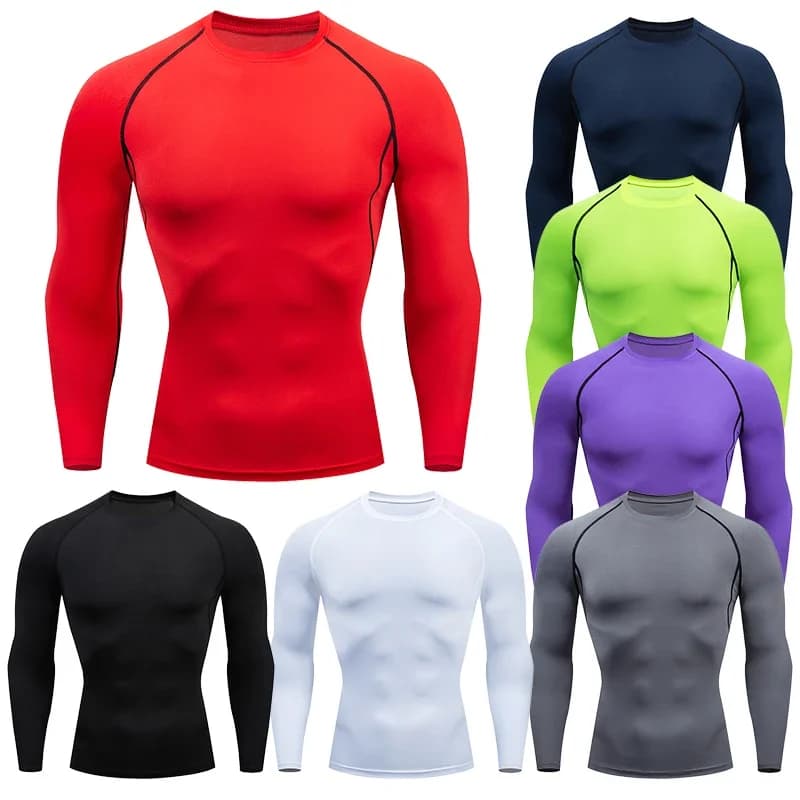
The Men Compression Running T-shirt Fitness Tight Long Sleeve at £21.99 is the kind of base layer that makes hard sessions manageable. The fitted cut keeps fabric close to the skin so sweat is wicked away instead of pooling, and the long sleeve adds warmth for cooler sessions or outdoor training.
Compression does two honest things. It holds muscle groups in a supportive way that many trainers find reduces fatigue, and it keeps everything snug so nothing rubs or flaps when you move. For anyone who lifts, runs or does bodyweight circuits, that close fit is a genuine comfort win.
A long sleeve compression top is also the right choice for early mornings and damp British weather. It holds warmth without the bulk of a hoodie, so you can start a session warm and strip down a layer later if you need to.
Buyers of this style report that it keeps its shape through washes and does not stretch out after a season of use, which is the quiet sign of a durable training piece. No fuss, just dependable.
Quick dry shorts built for movement
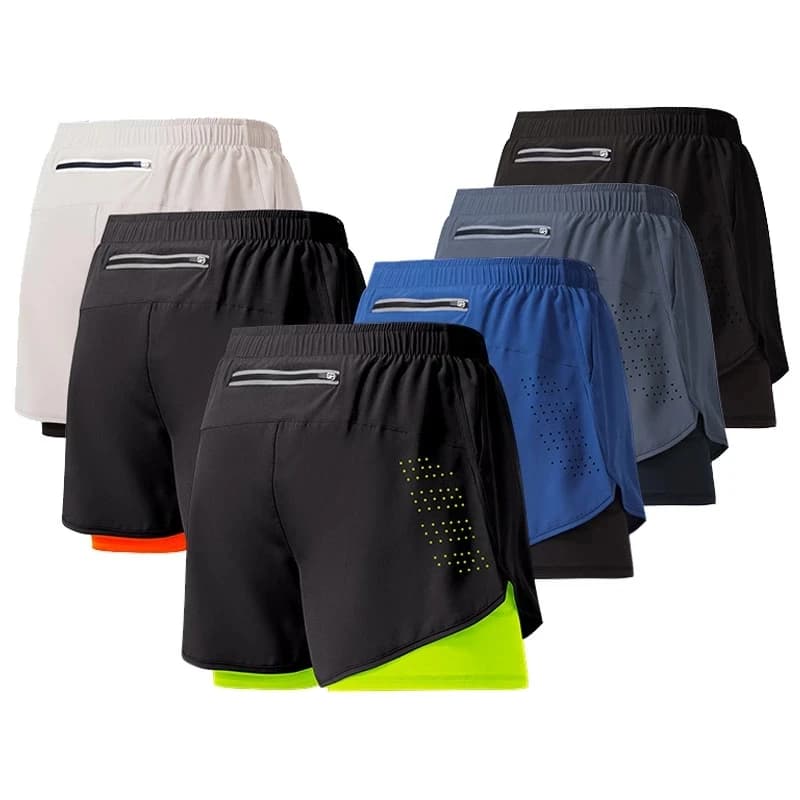
Short shorts are a practical default for lower body work, and the Men's Running Shorts Quick-drying Fitness Black Double at £17.99 are built around movement. The quick drying fabric sheds sweat and dries fast between sets, which keeps the whole session more comfortable.
A liner or an inner layer on this kind of short means you do not need to double up underneath, which keeps things light and reduces chafing. The double layer design is a common feature on running and training shorts for exactly this reason.
The waistband does the real work. An elasticated waist with a drawstring lets you tune the fit to your body, so the shorts stay put through squats, lunges and change of direction work without riding or slipping.
Owners consistently mention that the shorts dry quickly after a wash and hold their colour, and that the fit stays secure through a full session. For the price, they stand in nicely for shorts costing three times as much.
A sleeveless top for heavier sessions
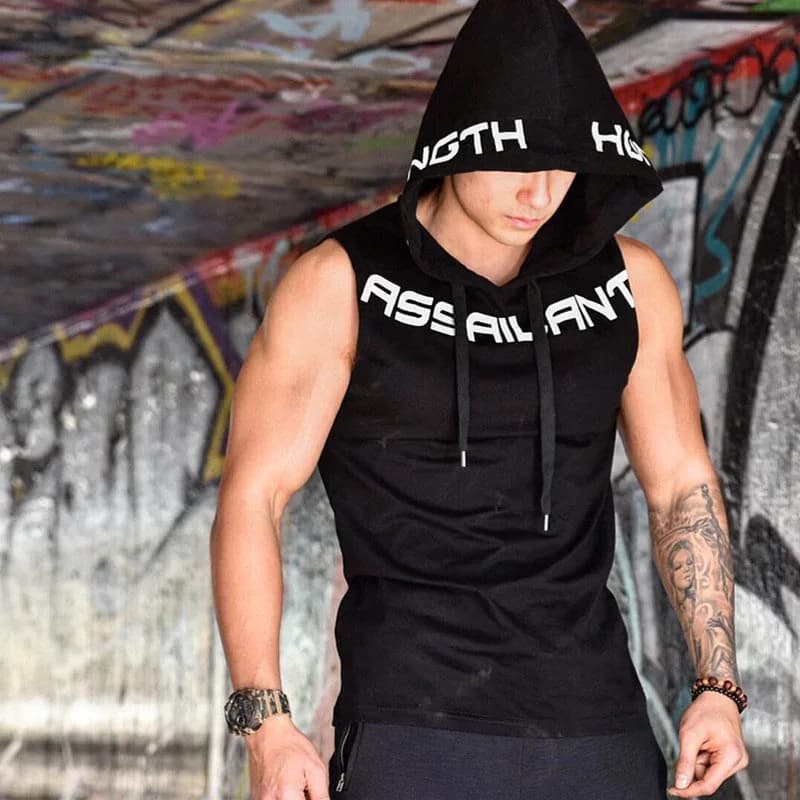
Once your core temperature is up, a full base layer can feel like too much, and that is where a sleeveless top earns its place. The Men Tank Tops Gym Clothing Fitness Sleeveless hoodies at £21.99 gives you free shoulder movement for presses, pulls and overhead work while keeping the torso covered.
The sleeveless cut is not about showing off, it is about function. Free arms mean a fuller range of motion on overhead presses and rows, and less fabric means less heat trapping during a hard circuit. It is the piece you reach for when the session gets serious.
This tank also layers well, which is why it earns its place in a rugby inspired kit. Wear it over a compression base on cold mornings, or on its own when the gym is warm. That versatility is what makes it worth owning.
Buyers note the fabric takes heavy use and repeated washing without pilling or losing its shape, which matters for a piece that gets the toughest workouts. It is built to be worn, not just looked at.
Building a training wardrobe that lasts
The honest approach to training kit is to buy a few durable basics and rotate them. One compression top, one pair of quick dry shorts and one tank cover most sessions, and you can mix and match them through the week while the washing machine catches up.
Look for kit that is breathable and quick drying over anything that merely looks the part. A fabric that manages sweat keeps you comfortable for longer and smells fresher between workouts, which is a real advantage when you train regularly.
Fit is non negotiable. If a top is too tight it restricts, and if shorts are too loose they ride up mid set. Try the close but free rule: it should hug supportively but let you move through a full range of motion without restriction.
That is the whole formula: a supportive base, a free moving layer and a durable finish. Buy with fit and function first and you will reach for the same kit for years. Browse the full sportswear range on SHOPTHIVA to build your own training set.
Featured in this article
Frequently asked questions
What does a compression top actually do?
A compression top fits closely to the skin to wick sweat away and provide light support to the muscles you are working. Many trainers find it reduces fatigue and discomfort during a session, and it adds warmth without the bulk of a hoodie.
Do I need a liner in training shorts?
Not necessarily, but it helps. Shorts with an inner layer mean you do not have to wear anything underneath, which reduces bulk and chafing. If your shorts are linerless, a pair of thin base shorts underneath does the same job.
Why choose a sleeveless top for the gym?
Free shoulders allow a full range of motion on overhead presses, rows and pulls, and less fabric means less trapped heat during intense sessions. It also layers under or over other tops, so one piece covers several situations.
How should training clothes fit?
Close but free. They should hug supportively without pinching, and let you move through a full range of motion without restriction. If you can pull and press comfortably and they stay in place, the fit is right.