




Motion Sensor Night Lights: The £14 Home Upgrade You Didn't Know You Needed
Motion sensor night lights are the most underrated cheap home upgrade going. They turn on when you walk past, off when you leave, and cost less than a takeaway. We look at what makes a good one, where to put it, and the model worth buying for £14.
SHOPTHIVA Editors
The Problem These Lights Solve (That You Did Not Know You Had)
Every household has the same midnight ritual: you need the bathroom, you do not want to turn on the main light because it wakes everyone, and you navigate by phone torchlight or memory. The result is stubbed toes, tripped rugs, and a jarring blast of phone light at 3am.
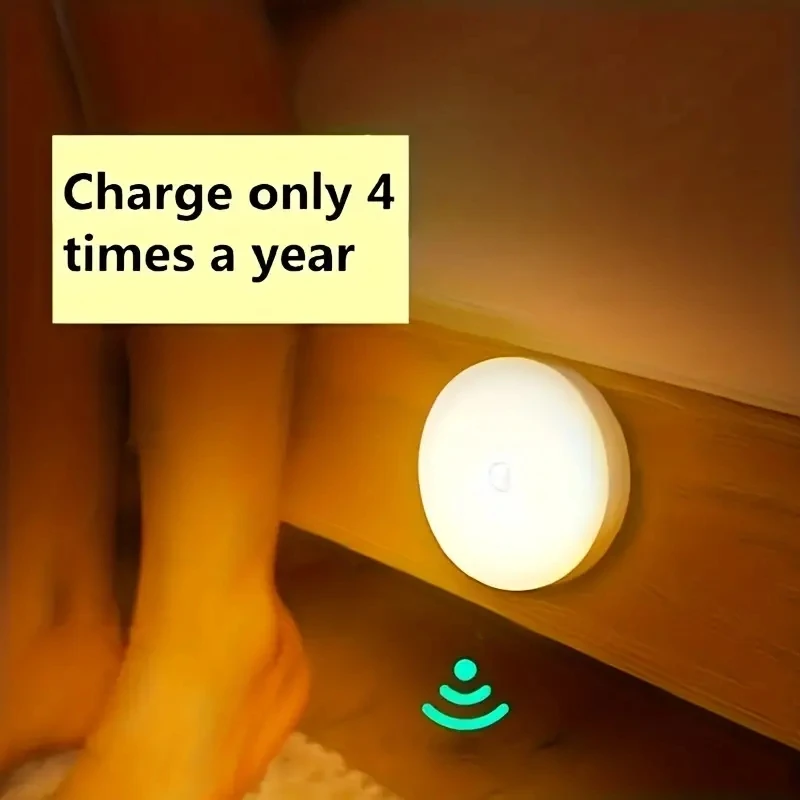
A motion sensor night light eliminates this entirely. It detects movement within 3 metres, turns on a soft warm LED, and turns off 15-30 seconds after you pass. No switches, no fumbling, no blazing overhead light at 3am. It is the kind of ambient lighting that makes a house feel considered.
The cost is absurdly low. The 1pc Motion Sensor Night Light is £13.99. For less than the price of a cinema ticket, you solve the most common middle-of-the-night annoyance in your home.
One feature that separates a good night light from a bad one is a light sensor. Without it, the LED stays in detection mode all day and triggers every time someone walks past in daylight, wasting battery and producing unnecessary light. A light sensor disables the motion detection when ambient light is above a threshold, so the light only activates when it is actually dark. Both models in this guide include this feature, but it is worth confirming on any alternative you consider.
PIR vs Microwave: The Sensor Difference Nobody Explains
Motion sensor lights use one of two technologies. Passive infrared (PIR) sensors detect body heat moving across their field of view. They are cheap, reliable, and the standard in sub-£20 lights. They need line of sight and work best when movement crosses the sensor rather than approaching head-on.
Microwave sensors emit radar and detect reflection from any movement, including through thin walls and glass. They are more sensitive and more expensive, and overkill for a hallway night light. Every product in this price range uses PIR, and that is the right choice.
What matters more than sensor type is sensitivity and timeout. A good PIR night light detects movement at 2-3 metres and stays on for 15-30 seconds after movement stops. Too sensitive and it triggers on the cat; too short a timeout and it turns off while you are still in range. The £13.99 model is tuned for hallway use, which is the most common application.
The colour temperature of the LED matters more than it sounds. A cool white LED (6000K) in a hallway at 3am is jarring and can disrupt your sleep cycle more than you realise. A warm white LED (2700-3000K) is gentle enough to navigate by without fully waking you. Both lights in this guide use warm white, which is the right choice for nighttime use. If you are buying an alternative, check the colour temperature -- this is the single most important spec for a night light.
Where to Mount It for Maximum Effect
The three locations that deliver the most value are: the hallway between bedrooms and bathroom, the top and bottom of stairs, and inside a wardrobe. The hallway is the obvious one. Stairs are a safety issue -- a motion light here prevents the most common nighttime fall.
Inside a wardrobe is the sleeper hit. Mount a small sensor light on the wardrobe ceiling or upper rail and it turns on when you open the door, illuminating your clothes without needing a wired light. This is where the bar-shaped Wireless USB Rechargeable Motion Sensor LED Bar Light at £18.99 comes in -- its slim form fits along a wardrobe shelf or stair tread.
Mount height matters. PIR sensors detect best when movement crosses their field horizontally, so place the light at waist-to-chest height (about 1-1.5 m) in hallways rather than at floor level. For stairs, mount at the top of each flight pointing down.
For renters, the installation question is straightforward. These lights use adhesive pads or magnetic mounts, not screws. You can stick them to a wall, remove them at the end of a tenancy, and fill the small adhesive mark with a dab of matching paint. There is no wiring, no electrician, and no permanent modification to the property. That is a significant advantage over wired night lights for anyone who cannot or does not want to modify their walls.
Battery vs USB Rechargeable: The Real Cost of Ownership
The two power options at this price are AAA batteries and built-in USB rechargeable. The £13.99 round light uses batteries, which last 2-3 months in a hallway that triggers 10-20 times a night. The £18.99 bar light has a built-in battery you recharge via USB, which lasts 3-4 weeks per charge in the same conditions.
Battery lights are cheaper up front and you never wait for a recharge -- just swap batteries. USB rechargeable lights cost more initially and you need to remember to charge them, but they save money over a year and are better for the environment if you use rechargeable cells anyway.
For a wardrobe that opens twice a day, either option lasts months between charges. For a busy hallway, budget for battery swaps or monthly USB charges. Neither is expensive to run.
The Verdict: The Best £14 You Will Spend This Month
Motion sensor night lights are the rare home purchase that delivers instant, daily value at a trivial cost. The round motion sensor light at £13.99 is the right starting point -- buy one for the hallway and see if it changes your nightly routine. It will.
If you want to cover stairs and wardrobes as well, add the USB rechargeable bar light at £18.99. Its slim shape suits locations the round light cannot fit, and USB charging means no battery runs.
For under £33 you can light the three most-used nighttime paths in your home. There are very few home upgrades that cost less and improve daily life more.
Featured in this article
Frequently asked questions
How long do the batteries last in a motion sensor night light?
In a hallway that triggers 10-20 times per night, AAA batteries last roughly 2-3 months. In a wardrobe that opens twice a day, they can last 6 months or more. USB rechargeable models last 3-4 weeks per charge in a busy location.
Will a motion sensor night light trigger on my pet?
Most PIR sensors can be triggered by cats and small dogs. If your pet roams at night, mount the light higher (above 1.2 m) and angle it to detect human-height movement only. Some models have a sensitivity dial to reduce false triggers.
Are these lights bright enough to read by?
No. Motion sensor night lights are designed for orientation -- enough light to walk safely without stubbed toes, not enough to read. They use warm, low-lumen LEDs specifically to avoid disrupting sleep if they turn on near a bedroom.
Can I mount a motion sensor light outdoors?
Only if it is rated for outdoor use. The lights in this guide are indoor-only. Outdoor motion lights need IP65 or higher weatherproofing and are a different product category entirely.
Product gallery
Further reading