
How to Choose a Non-Slip Sunglasses Rope for Outdoor Sports
A sunglasses cord keeps your eyewear secure when you sweat, sprint or crash. This guide covers what actually matters when choosing a non-slip rope for outdoor sport, and what to ignore.
SHOPTHIVA Editors
Why a Sunglasses Cord Matters for Outdoor Sport
If you have ever watched a pair of prescription sunglasses bounce off your face on a downhill trail, you already understand the case for a retainer. A non-slip sunglasses rope anchors your eyewear to your head so a knock, a sweat-slicked nose bridge or a sudden head movement does not send them into the dirt or off a cliff.
For runners, cyclists, hikers and paddlers the risk is not theoretical. Trail running produces vertical bounce, cycling produces road vibration and wind, and water sports add the risk of losing your glasses to a current that will not give them back. A cord turns a catastrophic loss into a minor inconvenience.
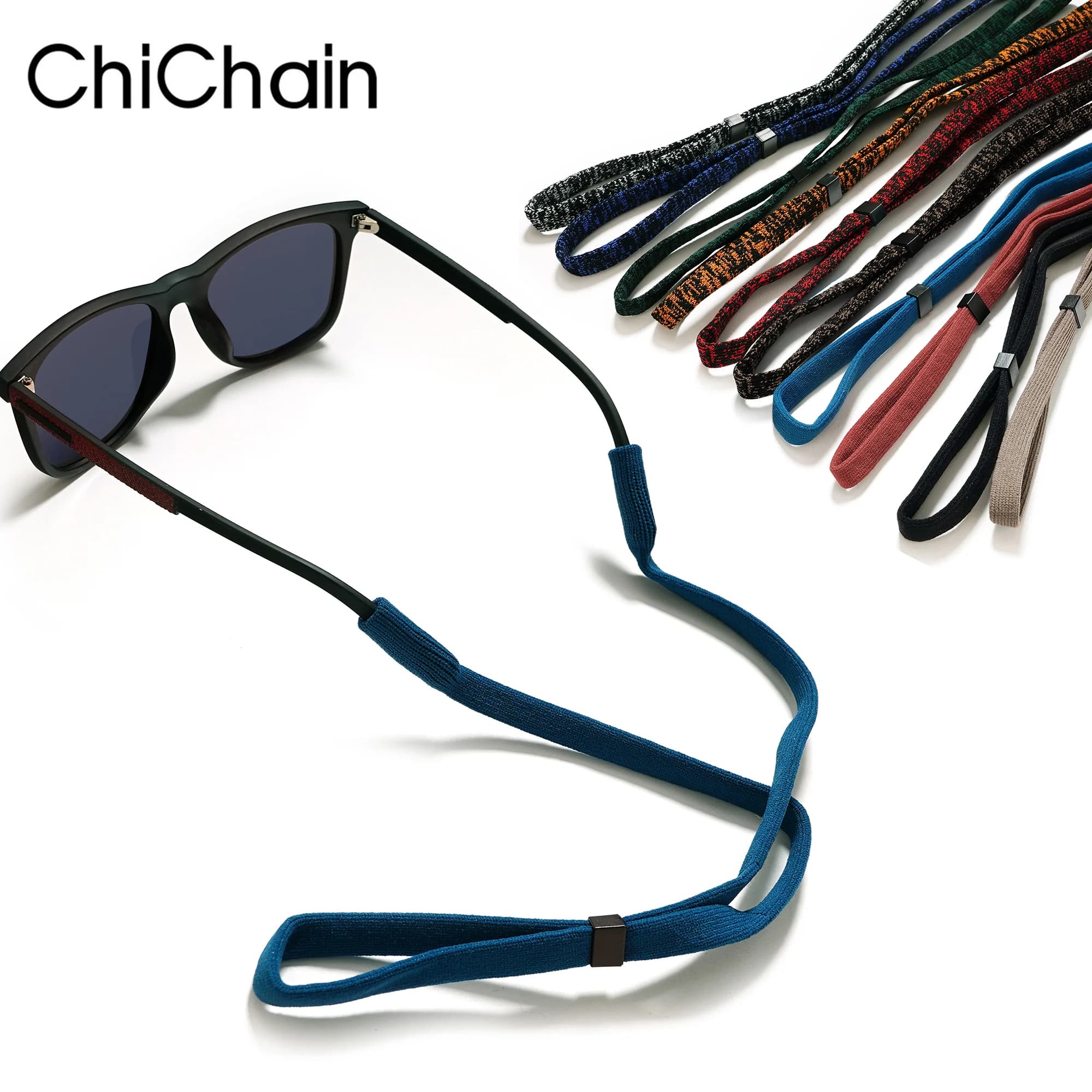
The Non-Slip Sunglasses Rope Unisex Outdoors Sports Glasses Cord is the type of product this guide is about: a lightweight, adjustable retainer designed to stay put during activity rather than just look good around your neck at a cafe.
What to Look For: Fit, Grip and Material
The two features that actually separate a good sports retainer from a decorative one are grip and adjustability. A cord that slides freely along the temple arms will let your glasses hang at an angle and eventually work loose. Look for a fixed or lockable end loop that clamps the arm without scratching the frame.
Material matters more than marketing. Woven polyester and nylon blends handle sweat and UV well, dry quickly after rain or a capsize, and do not go sticky the way some silicone bands do in hot weather. A braided rope construction also tends to grip skin and hair better than a smooth tube, which is the whole point of a non-slip design.
Length and adjustability control comfort. A cord that is too tight gives you a headache after an hour; too loose and it catches on collar straps and backpack hip belts. A toggle or sliding buckle lets you switch between a snug sport fit and a relaxed neck-loop fit without unthreading the ends.
Matching the Cord to Your Sport
Running and trail running favour a short, snug cord that holds glasses tight to the head and does not bounce. A retainer that hangs loose will swing with every stride and become its own annoyance. Runner's World covers how to carry gear on long runs and the same logic applies to eyewear: close to the body, nothing flapping.
Cyclists need a cord that copes with wind and vibration without interfering with a helmet strap. A thinner rope that sits flat behind the ears works better than a chunky bead style, which can press painfully under a helmet cradle. British Cycling has useful advice on what to wear for cycling and eyewear retention fits into the same kit checklist.
For hiking and water sports, a brighter colour is a genuine functional choice, not a fashion one. A high-visibility cord makes dropped glasses easier to spot on scree, in long grass or against water, and a quick-drying braid means it will not stay soggy after a paddle or a downpour.
Honest Trade-offs and What to Ignore
A sunglasses cord will not make a poorly fitting pair of glasses stay on. If your frames are too wide or slip because the nose pads are worn flat, fix the frames first. A retainer is a backstop, not a substitute for eyewear that actually fits your face.
Ignore marketing claims about 'universal fit' if the end loops are a fixed size. Thick cycling and sport frames have chunkier temples than fashion sunglasses, and a loop that is too small will either not fit or will pinch and mark the coating. Check the listed temple compatibility before buying, not after.
Price is not a reliable quality signal in this category. A simple braided cord at the £12.99 mark will outperform a heavily branded beaded strap at three times the price if the braid grips better and the toggle actually holds. Spend on function, not logos.
Finally, a unisex cord is genuinely unisex here, not just a marketing label. The adjustability range is what matters, not the label on the packaging. If the toggle lets you go from a child-sized snug fit to an adult loose neck loop, it will work across a household.
Is a Non-Slip Sunglasses Rope Worth It?
If you only wear sunglasses to drive or sit on a terrace, you do not need one. If you move, sweat, ride, run, hike or paddle with eyewear you cannot afford to lose, a retainer is cheap insurance against a ruined day and an expensive replacement pair.
The decision is less about whether to buy one and more about picking the right type for your activity. A snug adjustable braided cord like the Non-Slip Sunglasses Rope covers most outdoor sports well, while a floaty neoprene strap is the better call for watersports where buoyancy matters more than a low profile.
Treat it as part of your sport kit, not an afterthought. The pair of glasses you stop losing on the third trail run will pay for the cord many times over.
Featured in this article
Frequently asked questions
Will a non-slip sunglasses rope fit thick sport frames?
Most braided cords with a loop or toggle end fit standard and sport temples, but check the listed temple width. Very chunky cycling arms may need a wider loop, so measure your frame before buying rather than relying on a 'universal fit' label.
Can I wear a sunglasses cord with a helmet?
Yes, but choose a thin, flat-lying rope rather than a beaded strap. Bulky beads press painfully under a helmet cradle, while a slim braided cord sits behind the ears without interference from helmet straps.
Do these cords float if my glasses fall in water?
A braided polyester or nylon rope does not reliably float. For paddle sports or sailing, choose a neoprene or foam retainer designed for buoyancy instead, and pair it with a croakie-style strap rather than a thin cord.
How do I stop the cord slipping on the temple arms?
Look for a retainer with a lockable or rubber-lined end loop. Slide the loop past any rubber nose or temple grips so it clamps the bare arm, and tighten any toggle so the glasses sit snug without the cord swinging during movement.
Product gallery
Further reading