

Solar Garden Lighting: How to Light a Garden for Under £30
Solar garden lights are the cheapest way to make an outdoor space usable after dark, and the easiest to buy badly. Here is how the charging actually works, what the waterproof rating means, and where to put them.
SHOPTHIVA Editors
Quick takeaways
A solar light is a small battery with a charger attached. Runtime depends almost entirely on the battery and how much direct sun the panel got, not on the brightness figure on the box. Placement is the whole game. A panel in partial shade charges far less than half as much, the loss is not linear. Check the IP rating. IP65 handles rain; anything less will fail in a British winter. Expect seasonal performance. Short winter days and a low sun angle mean a light that runs eight hours in July may manage two in December. That is physics, not a fault.
How they actually work
Every solar garden light is the same four components: a photovoltaic panel, a rechargeable battery, an LED, and a light sensor. During the day the panel converts sunlight into current that charges the battery. At dusk the sensor detects falling light levels and switches the LED on, running it from the battery until either dawn or the charge runs out.
That sensor is why solar lights sometimes appear not to work when you test them indoors, under artificial light the sensor reads daytime and refuses to switch on. Covering the panel with your hand is the correct way to test one.
The battery is the component that determines everything you care about and the one least often specified. Capacity, usually quoted in mAh, sets the runtime. It is also the first thing to fail: rechargeable cells degrade over a few hundred cycles, which is why a set of lights that worked beautifully in year one often disappoints in year three. On better designs the battery is replaceable, which roughly doubles the useful life for the price of a couple of cells.
Placement decides performance
The single most common installation mistake is putting the light where you want the light rather than where the panel gets sun. Those are frequently not the same place.
A panel needs direct sunlight, ideally six hours of it. Dappled shade under a tree, a north-facing fence, or a spot that a wall shades from midday onward will all charge dramatically less than an open position, and the shortfall is disproportionate, because partial shading across a panel can cut output far more than the shaded fraction suggests.
Angle matters too. A panel lying flat collects well at midsummer noon and poorly the rest of the year. Tilting it toward the south picks up the lower sun angle through spring and autumn.
Keep the panel clean. Dust, pollen and bird mess measurably cut charging, and a wipe every few weeks is the cheapest performance upgrade available.
What the IP rating means
The two digits after IP describe protection from solids and from water. The first is dust, the second is moisture, and the second is the one that matters outdoors in Britain.
IP44 resists splashing, adequate under a covered porch, not adequate on an exposed lawn. IP65 is dust-tight and withstands water jets from any direction, which is the sensible minimum for anything staked in open ground. IP67 survives temporary immersion, which is worth having in a spot that puddles.
Rain is not usually what kills a cheap solar light. Freeze-thaw is. Water gets into a poorly sealed seam, expands as it freezes, and widens the gap for next time. A light that survives its first winter will usually survive several.
Lighting a space you actually want to sit in
The instinct is to light the middle of the garden. The better approach is to light the edges and the routes, the path, the steps, the boundary planting, and leave the seating area comparatively dim. Eyes adapt to the brightest thing in view, so a bright lamp beside a table makes everything beyond it disappear into black.
Warm white, somewhere around 2,700-3,000K, is far more comfortable outdoors than the cool blue-white common on cheap units, which makes planting look grey.
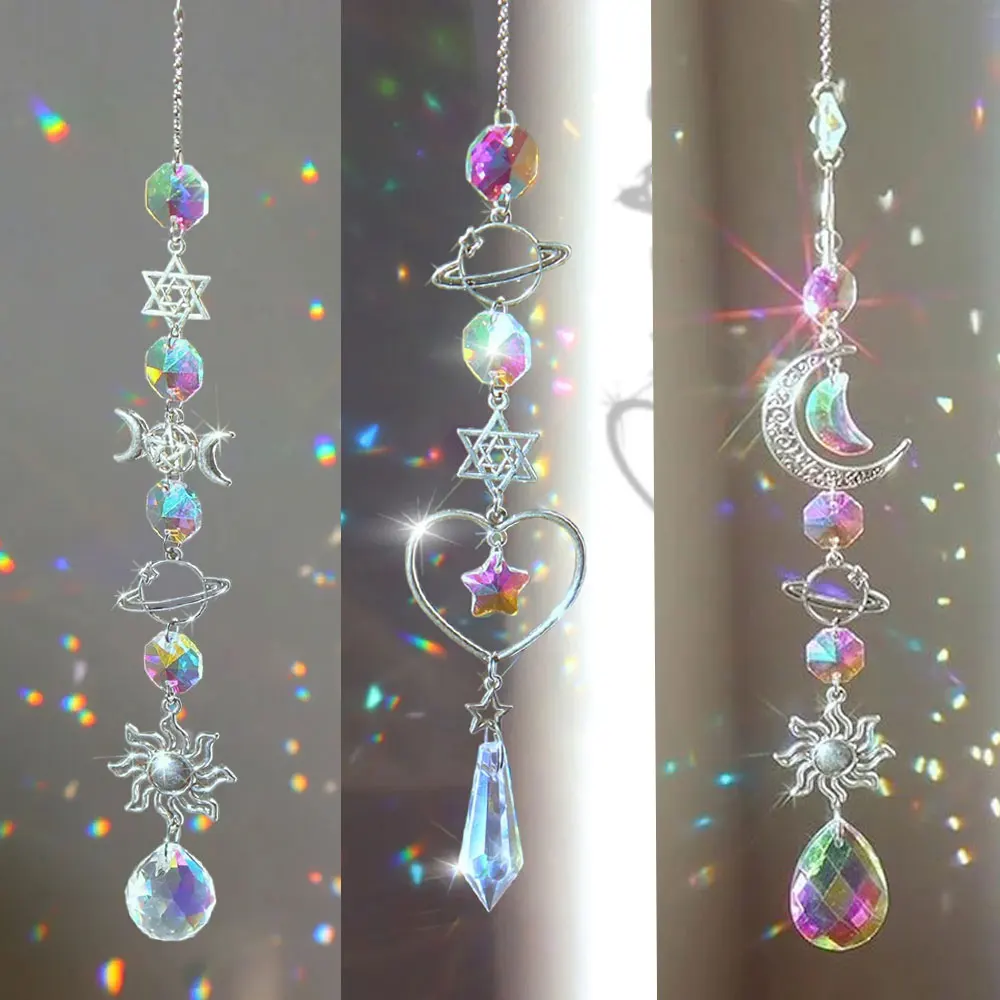
Small non-lit details do a lot of work in daylight. A crystal wind chime or sun catcher on a branch gives an outdoor space something to look at during the day, when the lights are doing nothing.
A modest note on expectations: solar output is genuinely limited. For reading or cooking outdoors you want mains or a rechargeable lantern. Solar is for atmosphere, wayfinding and safety, and it is very good at all three.
Featured in this article
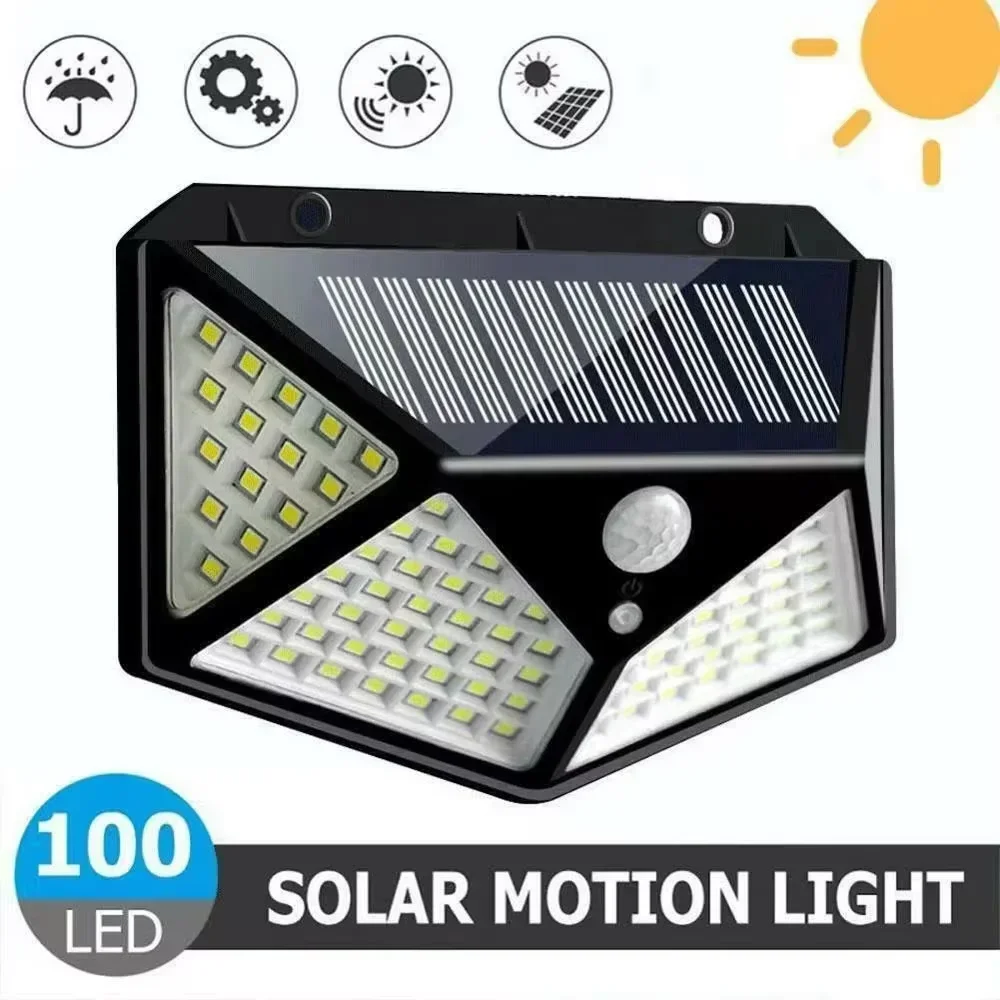
Frequently asked questions
How long do solar garden lights stay on?
Typically six to eight hours after a full summer charge, and considerably less in winter when days are short and the sun sits low. Runtime is set by battery capacity and how much direct sun the panel received, not by the brightness on the box.
Do solar lights work in winter in the UK?
They work, but for a fraction of the time. Short days, low sun angle and heavy cloud all cut charging. Expect a couple of hours in midwinter from a light that runs all night in July.
What IP rating do outdoor solar lights need?
IP65 is the sensible minimum for anything in open ground, dust-tight and resistant to water jets. IP44 is only suitable under cover. IP67 adds protection against temporary immersion for spots that puddle.
Why has my solar light stopped working?
Usually the battery, which degrades after a few hundred charge cycles, or a dirty or newly shaded panel. Clean the panel first, check nothing has grown up to shade it, and replace the cell if the design allows it.
Product gallery
Further reading