

What a Pilates Ring Actually Does (And Whether You Need One)
The magic circle is the one piece of pilates equipment people buy without knowing what it is for. It is not a stretching aid, it works by giving you something to push against, and that changes which muscles fire.
SHOPTHIVA Editors
Quick takeaways
A pilates ring creates isometric resistance. You squeeze or press against it and the muscle works hard without the joint moving through a range. It mostly targets what other home kit misses, inner thighs, chest, and the deep stabilisers around the pelvis. Firmness matters more than size. A ring that collapses under a squeeze gives you nothing to work against. It is a supplement, not a starting point. Mat work first; the ring adds intensity to movements you can already do properly.
What the ring is actually for
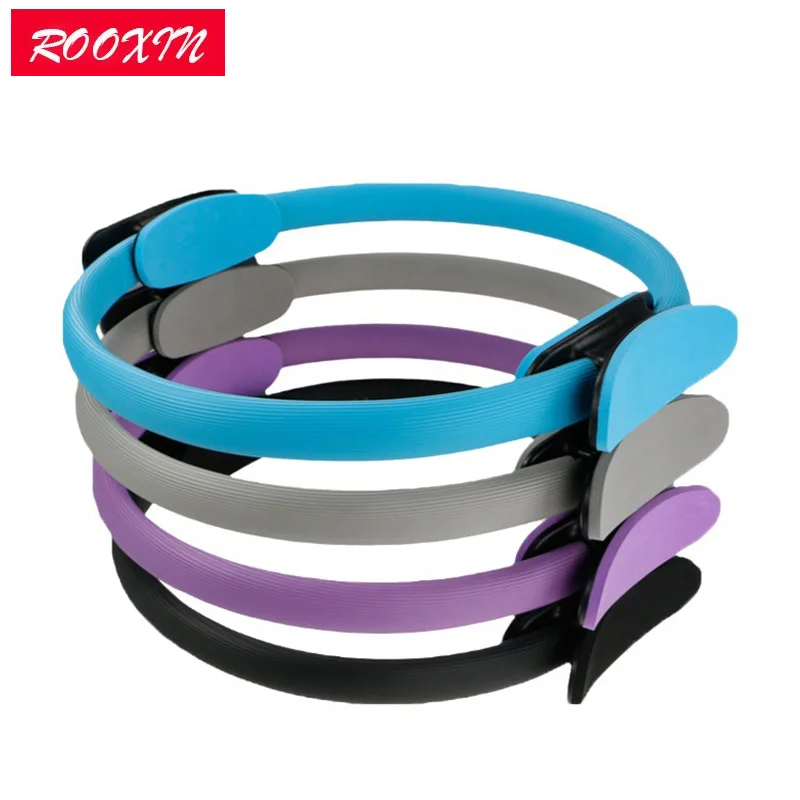
The pilates ring, often called a magic circle, was designed by Joseph Pilates as a way of adding light resistance to mat work without a machine. It is a flexible hoop, usually a springy composite or metal frame, with a padded grip on each side.
The mechanism is isometric resistance. You place the ring between your knees, your ankles, or your palms, and press inward or outward against it. The ring pushes back. Your muscles generate force without the limb travelling far, which is a different stimulus from a rep-based movement.
The practical effect is feedback. Plenty of mat exercises can be performed with the target muscle barely engaged, the ring makes cheating obvious, because if you are not squeezing, nothing is holding it in place.
Which muscles it reaches
Inner thighs (adductors). Almost nothing else in a home setup loads these. Ring between the knees, squeeze, hold, the adductors have no way to hide.
Chest and the muscles around the shoulder blade. Held at chest height between the palms and pressed inward, the ring works the pectorals and the serratus without a single weight.
Deep core and pelvic floor. Adductor engagement and deep core activation are neurologically linked, which is why a ring squeeze during a bridge or a hundred makes the abdominal work noticeably harder.
Glutes, from the outside. Placed around the outside of the thighs and pressed outward, the ring reverses the load and targets the glute medius instead, the muscle most involved in hip stability.
Choosing one: firmness over everything
The single specification that matters is resistance. A ring that squashes easily is a toy. It should take genuine effort to compress and should spring back cleanly with no permanent deformation.
Diameter is usually 35-40cm, and that range suits most heights, it is designed to sit comfortably between the knees when lying down. Grips should be padded on both the inside and outside, since half the exercises press inward and half press outward, and an unpadded frame against the inner knee is unpleasant.
Check the frame construction. A moulded ring with a rubberised coating lasts well; the failure mode to avoid is a hollow plastic hoop that develops a stress crack at the grip mounting.
Four exercises worth learning first
Supine adductor squeeze. Lie on your back, knees bent, ring between the knees. Squeeze for five seconds, release halfway, repeat. Deceptively hard.
Bridge with squeeze. Same position, but lift the hips into a bridge while holding the squeeze. The glutes and adductors work together and the pelvis stops wobbling.
Standing chest press. Ring at sternum height between the palms, elbows out. Press inward, hold, release slowly. Watch that the shoulders stay down.
Side-lying outer press. Ring around the outside of both thighs, lying on your side. Press the top knee outward against the ring. This is the glute medius exercise, and most people are much weaker at it than they expect.
Is it worth it?
If you already do mat pilates and want more from the same twenty minutes, yes, it is the cheapest way to add resistance without taking up space. If you are starting from nothing, learn the mat sequences first. The ring intensifies whatever technique you already have, good or bad.
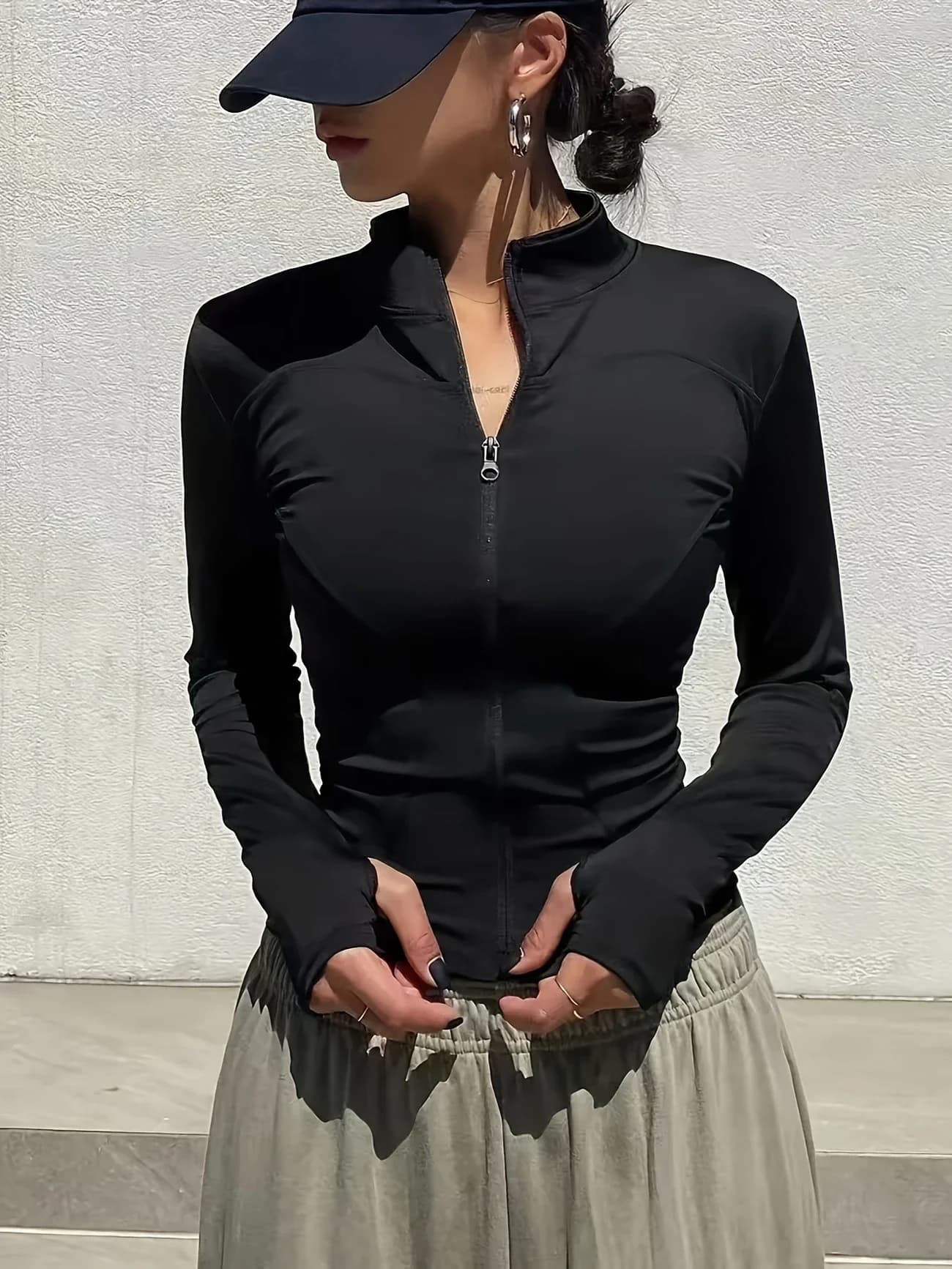
Pair it with something you can move in. A quick-dry athletic jacket matters more than it sounds for floor work, because a top that rides up during bridges and roll-downs is a genuine distraction.
Featured in this article
Frequently asked questions
What is a pilates ring used for?
It adds isometric resistance to mat exercises. You press or squeeze against it so the muscle works hard without the joint moving far, most usefully for the inner thighs, chest and deep core stabilisers.
Is a pilates ring good for beginners?
It is better as a second purchase. Learn the mat movements first so your technique is sound, then add the ring to intensify them. Used too early it mostly amplifies bad form.
What size pilates ring should I get?
Most are 35-40cm across and that suits nearly everyone, because the ring is sized to fit between the knees when lying down. Resistance firmness matters far more than diameter.
Can a pilates ring replace weights?
No. It provides isometric resistance at a fixed length, which builds stability and endurance rather than maximal strength. It complements weights rather than substituting for them.
Product gallery
Further reading