


How to Start a Resistance Band Workout at Home: A Complete Guide
Resistance bands are one of the most versatile and affordable pieces of fitness equipment you can own. Here is how to build an effective home workout using them.
SHOPTHIVA Editors
Why Resistance Bands Are Perfect for Home Workouts
Resistance bands have become one of the most popular fitness tools for home workouts, and for good reason. They are lightweight, portable, and incredibly versatile. Unlike dumbbells or weight machines, bands create continuous tension throughout the entire range of motion, which means your muscles work harder on both the lift and the release. This makes them particularly effective for building functional strength that translates to everyday movement.
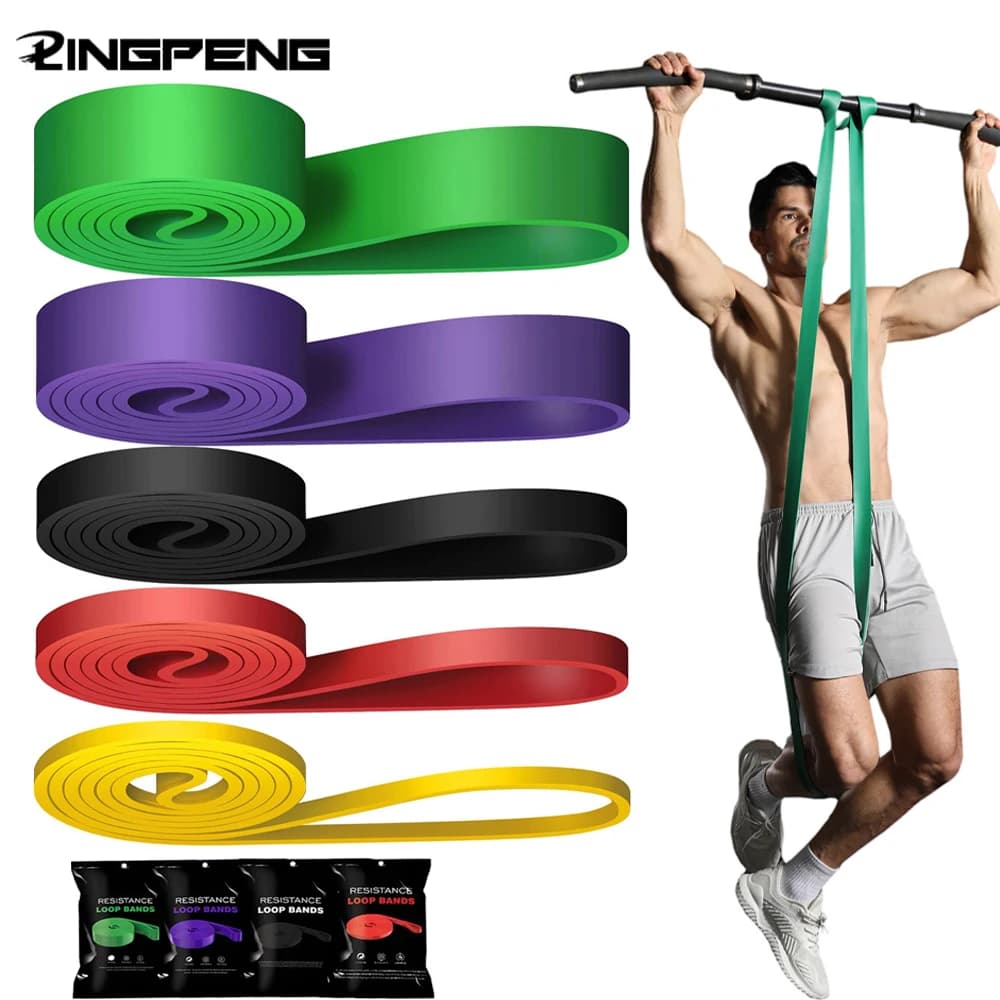
The 20-230lbs Heavy-Duty Resistance Band is a prime example of why these tools have taken off. Priced at just £16.99, it offers adjustable resistance from 20 to 230 pounds, making it suitable for everyone from complete beginners to experienced lifters. Whether you are rehabilitating an injury, adding variety to an existing routine, or building a home gym from scratch, a single band can replace an entire rack of weights.
One of the biggest advantages of resistance bands over traditional weights is safety. There is no risk of dropping a heavy weight on your foot, and the progressive resistance means the band naturally accommodates your strength curve. Exercises feel easier at the start of the movement when your leverage is weakest, and harder at the peak contraction when your muscles are strongest.
Building a Full-Body Resistance Band Routine
A well-designed resistance band workout should target all major muscle groups. Start with compound movements that work multiple muscles simultaneously, then move to isolation exercises for smaller muscle groups. Aim for three to four sets of twelve to fifteen repetitions for each exercise, adjusting your band tension or grip width to make the movement challenging but controlled.
For your upper body, focus on band chest presses, overhead presses, bent-over rows, and bicep curls. Each of these can be performed by anchoring the band under your feet, around a door anchor, or simply gripping it at different widths. The 20-230lbs Heavy-Duty Resistance Band handles all of these movements easily, with enough tension range to keep challenging you as you get stronger.
Lower body exercises with bands include squats, glute bridges, lateral walks, and hamstring curls. Loop the band around your thighs for squats and lateral walks to activate your glutes and hip stabilisers, or anchor it under your feet for resisted leg extensions. Core work with bands adds resistance to woodchops, anti-rotation presses, and Pallof presses, all of which build the rotational stability that protects your spine.
Tips for Getting the Most from Your Bands
Always inspect your band for nicks, tears, or thinning before each session. A snapped band can cause injury, particularly during high-tension movements. Store bands away from direct sunlight and heat, which degrade the latex over time. If you are new to resistance training, start at the lower end of the tension range and focus on slow, controlled movements before increasing resistance.
Consistency matters more than intensity. Three short sessions per week with a resistance band will produce better results than one punishing gym session followed by a week of inactivity. Keep your band somewhere visible as a reminder, and aim for just fifteen to twenty minutes per session to start.
Featured in this article
Frequently asked questions
Can resistance bands build muscle as effectively as weights?
Yes, resistance bands can build muscle effectively when used with progressive overload. Research shows that training with bands produces similar strength gains to free weights, provided the resistance is challenging enough. The key is gradually increasing tension or band thickness over time.
How do I know what resistance level to start with?
Start with a band that allows you to complete twelve to fifteen repetitions with moderate effort. If you can easily do twenty repetitions, move to a higher resistance. The 20-230lbs Heavy-Duty Resistance Band lets you adjust the tension by your grip width, so you can progressively increase resistance without buying multiple bands.