

Rugby Training Gear: The Compression Shirt UK Players Need
Rugby season is a test of strength, contact and recovery. A well fitted compression top does more than look the part, it supports your muscles through sprints, tackles and the gym work in between.
SHOPTHIVA Editors
Why compression matters in rugby training
Rugby is a collision sport, but the training sessions are where the game is won. Sprints, rucking drills, wrestling for the ball and repeated tackles all load the same muscle groups over and over. A compression top helps here because it holds the muscles in place and gives a consistent level of support through the whole session.
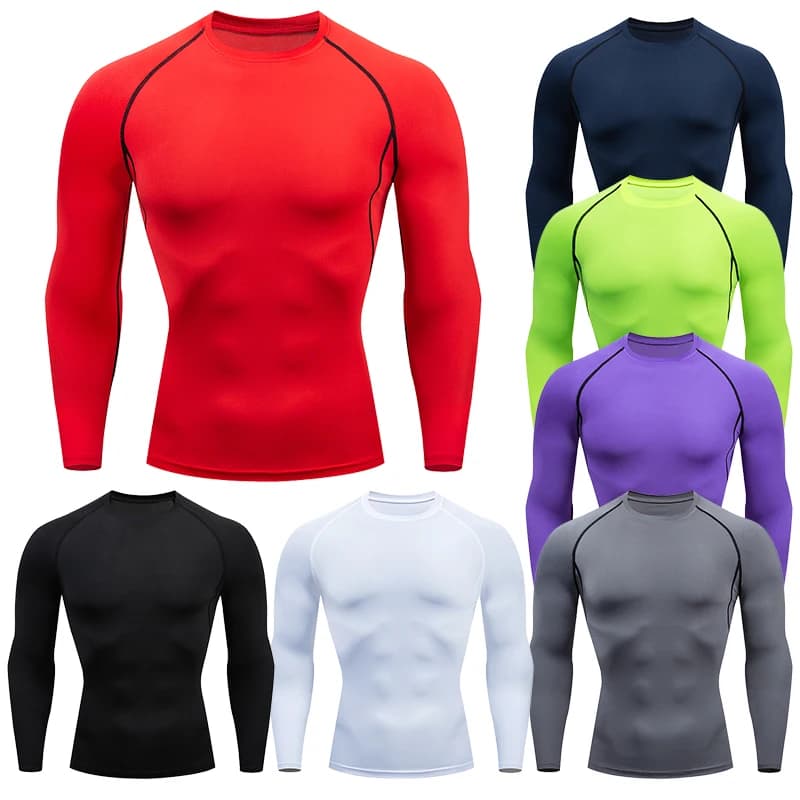
The Men Compression Running T-shirt is designed for exactly this kind of work. It fits snugly against the skin, which means the fabric moves with you rather than bunching up under a jersey. That matters when you are driving into contact or changing direction sharply on wet grass.
Beyond the training pitch, the same top works for gym sessions, running and general fitness work. One piece of kit that earns its place in the bag across the whole week is worth more than a shirt you only reach for once a season.
The honest trade-off is that a compression fit is not for everyone. Some players prefer a looser cut for summer drills or touch rugby. If you want a relaxed feel, a standard quick dry tee is the safer choice. But if you value support and a second skin feel, compression is the way to go.
What to look for in a training top
The fabric is the first thing to judge. A good training top should wick sweat away from the skin and dry quickly between drills. Cheap synthetic tops can trap heat and stay damp for the whole session, which is uncomfortable and leaves you cold in the breaks.
This shirt uses a dry fit construction that sits close to the body while still allowing air to move. Long sleeves give extra coverage for cooler autumn and winter training, which is most of the rugby season in the UK. The fit also means there is less fabric to snag or pull during contact.
Stitching and seam placement matter more than you might think. Flat seams reduce rubbing under the arms and across the shoulders, where a jersey and pads press during tackles. A top that irritates you in the first fifteen minutes will be a distraction by the end of training.
Sizing is worth a moment of attention. Compression tops are meant to be tight, but not so tight that they restrict breathing or movement. If you are between sizes, size up for a snug but comfortable fit, especially if you are wearing it over a base layer.
How the compression shirt performs in the gym
Rugby strength work is heavy and explosive, from back squats to power cleans to heavy carries. In that context the compression top does two useful jobs. It keeps the shoulders and back warm between sets, and it gives a small amount of mechanical support that many lifters notice during pressing work.
At £29.99, the training shirt sits in a sensible middle ground. It is not a premium brand top with a logo premium attached, and it is not a flimsy budget option that falls apart after a few washes. For the price it offers solid construction that holds its shape session after session.
Wearing the same top for training and the gym also means fewer items in your kit bag. That is a small thing, but it simplifies the routine of getting out of the house and to the club on a cold Tuesday night.
A genuine downside is that the fabric will show sweat marks more visibly than a thicker cotton top. If that bothers you on a public gym floor, choose a darker colour or a top with a printed pattern. Functionally it changes nothing, but comfort of mind matters too.
Washing and care for a longer life
Compression fabric is durable, but it repays simple care. Wash it on a cool cycle and avoid fabric softener, which can coat the fibres and reduce their moisture wicking ability. Hanging it to dry is better than a hot tumble dryer, which can weaken the elastane over time.
The result of this care is a top that keeps its fit for far longer. A compression garment that has lost its stretch no longer provides the support it was designed for, so protecting the elasticity is protecting the value of the purchase.
Rotate it with a second top if you train more than a few times a week. Giving the fabric a day to fully dry and recover between sessions keeps the fibres in better shape than wearing it damp day after day.
This is a small extra step, but it is the difference between a top that lasts one season and one that lasts several. The care instructions are printed on the garment, so it is worth a quick read before the first wash.
Is a compression top worth it for you
The honest answer depends on your training. If you play rugby regularly and train hard in the gym, a compression top is one of the most useful single pieces of kit you can own. It supports the muscles, keeps you warm between efforts and holds up to contact.
If you are more casual, playing the occasional touch game or doing light fitness work, a standard quick dry t-shirt may be all you need. There is no point spending on features you will not use.
The compression training shirt at £29.99 is a fair price for what it delivers. It is not the cheapest option on the market and not the most expensive, and that middle ground is exactly where value lives.
If you wear it for a full season of training, the cost per session becomes very small indeed. That is the test that matters: does the kit earn its keep over time, or does it sit in the bag? For most rugby players, this one earns it.
Featured in this article
Frequently asked questions
How should a rugby compression top fit?
It should fit snugly against the body without restricting movement or breathing. If you are between sizes, size up for comfort, especially if wearing it over a base layer. The top should not bunch under a jersey or shift during contact.
Can I wear a compression top in the gym as well as rugby training?
Yes. A dry fit compression top works well for gym sessions, running and general fitness work as well as rugby training. One well made top can cover the whole week of training.
How do I care for a compression training top?
Wash it on a cool cycle and avoid fabric softener, which can reduce moisture wicking. Hang to dry rather than using a hot tumble dryer. This protects the elastane and keeps the fit and support for longer.