



Rugby Player Training Gear: Compression Essentials for the UK Season
Rugby training demands gear that supports muscles and survives contact. Here is the compression kit that works for training sessions without breaking the bank.
SHOPTHIVA Editors
Why Compression Gear Matters for Rugby Training
Rugby is a sport that puts every part of your body under strain. Sprinting, tackling, scrummaging, and changing direction at speed all demand muscle support. Compression gear is not a fashion choice on the training pitch, it is a practical layer that helps muscles stay warm and supported through repeated effort.
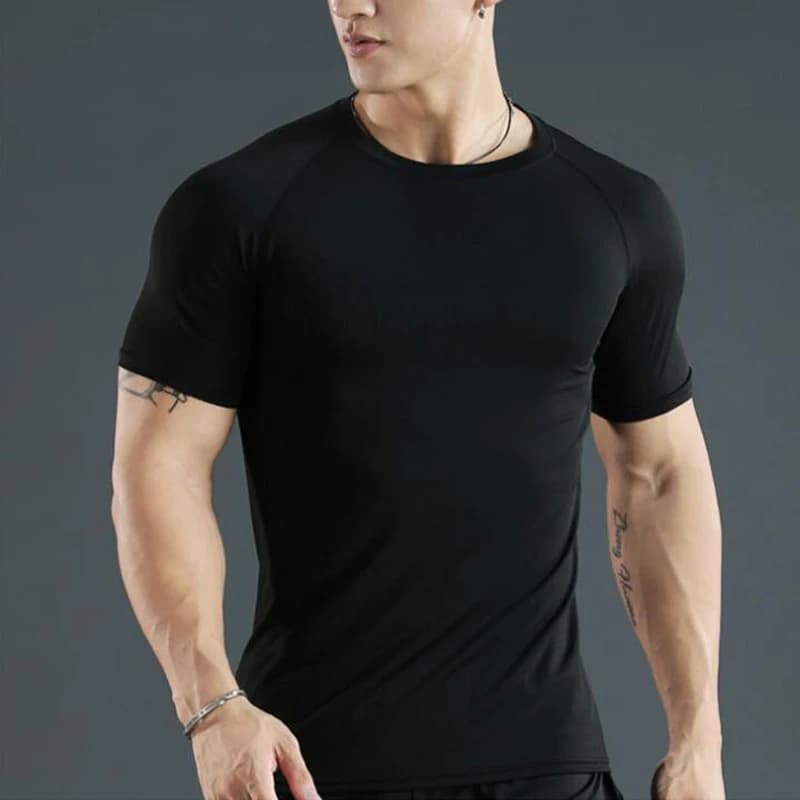
A good compression shirt sits tight against the skin without restricting movement. It wicks sweat away from your body so you are not training in a wet top. The Men Compression Running T Shirt Fitness at £15.99 does exactly this. It is a short sleeve tight fit top designed for training, jogging, and gym work that translates directly to rugby conditioning.
The fabric matters as much as the fit. Quick dry material means the shirt does not soak through during a hard session. A rashguard style construction means it holds up to contact and ground work without tearing. At under £16, it is the kind of training top you buy two of so you always have a clean one ready.
Building a Rugby Training Kit Without Overspending
Rugby players go through training gear quickly. Between mud, sweat, and the washing machine, expensive kit does not always make sense for practice sessions. What you need is affordable gear that performs well enough to support your training without costing £50 per item.
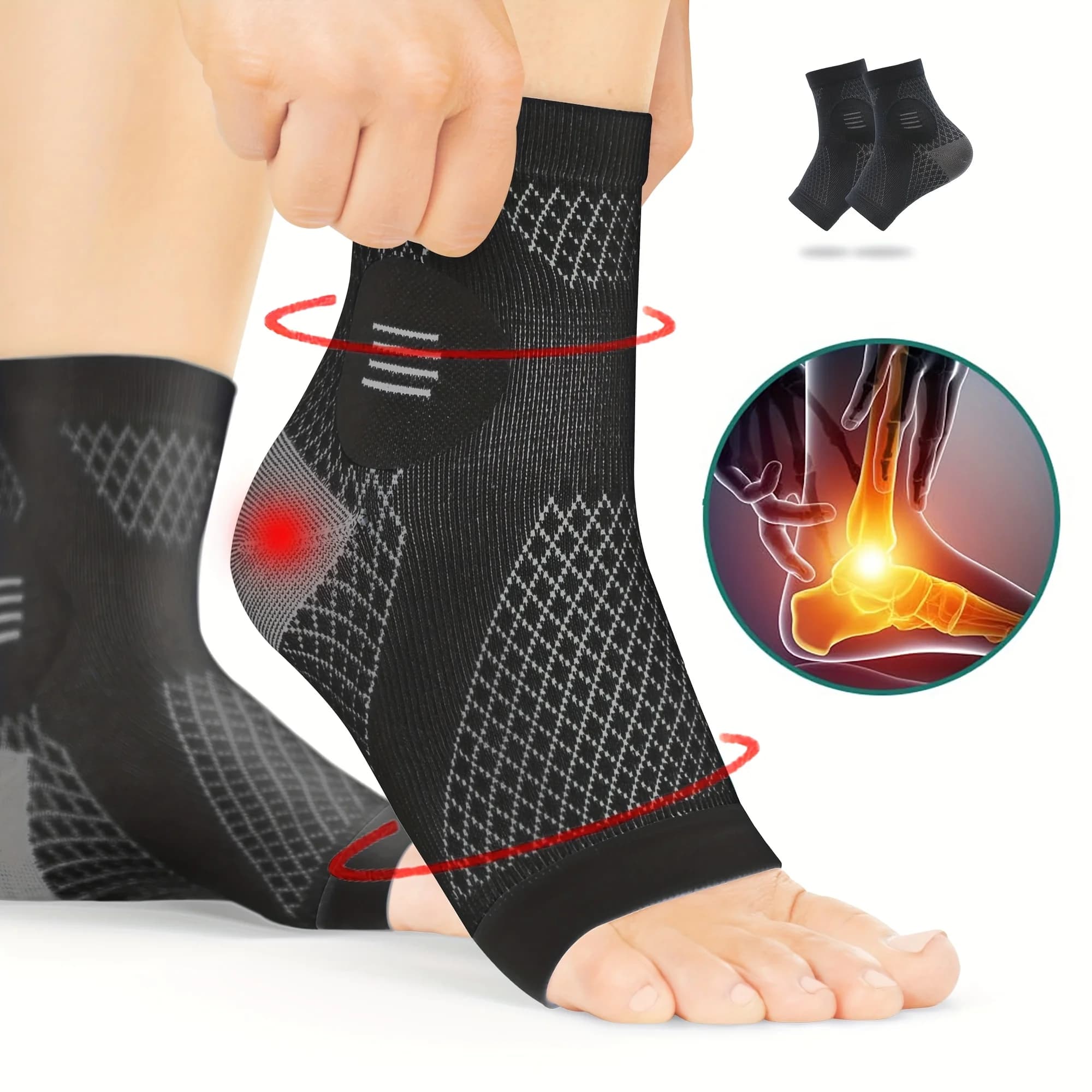
The compression shirt at £15.99 and the Ankle Compression Socks at £21.49 give you a core kit for under £38. That is less than the cost of a single premium branded compression top. The shirt handles upper body support and sweat management, while the socks provide targeted ankle and foot compression for the pounding that rugby training delivers.
This approach lets you rotate kit across sessions. Buy the shirt in a couple of colours and you have training tops for the week. The compression socks work under your rugby socks during matches too, giving you ankle support when it matters most. The cost per session is minimal when you spread it across a season of training.
Ankle Support: The Underrated Essential
Ankle injuries are one of the most common rugby complaints. The sport involves lateral movement, uneven ground, and the risk of someone landing on your foot in a ruck. Compression socks that support the ankle joint are a simple, non invasive way to add stability without restricting your range of motion.
The ankle compression socks at £21.49 apply graduated pressure that helps blood flow and reduces swelling during and after training. They are thin enough to wear under rugby socks without creating bulk inside your boots. The sleeve design targets the ankle and arch, which is where rugby players feel the most strain.
If you have ever rolled an ankle on a training pitch, you know how long the recovery can be. Compression socks are not a cure and they will not prevent every injury. But they provide support that reduces fatigue and helps you feel more stable when changing direction. That marginal gain adds up over a full season.
What Real Buyers Are Saying
Buyers of the compression shirt highlight the fit as the main positive. Multiple reviewers mention that it runs true to size and stays tight through washing. The quick dry fabric gets repeated mentions, with buyers noting it does not hold sweat like cotton training tops do.
For the ankle compression socks, buyers report noticeable support during running and court sports. Several mention using them for recovery after hard sessions, not just during training. The compression level is described as firm but not uncomfortable, which is the balance you want.
The reviews tell a consistent story. Both items deliver on their core promise of support and comfort during intense physical activity. When multiple buyers independently mention durability after washing and effectiveness during sport, those are signals worth paying attention to.
How to Care for Compression Training Gear
Compression gear lasts longer when you look after it. Wash shirts and socks inside out on a cold or 30 degree cycle. Avoid fabric softener because it breaks down the elastic fibres that give compression gear its stretch. Air dry rather than tumble, because heat degrades the compression fit over time.
If you train three or four times a week, rotate between two compression shirts. This gives each one a rest day to recover its shape and extends the life of both. The same applies to compression socks, though having three or four pairs is more practical given the frequency of use.
Check the seams regularly. Rugby training involves contact and ground work that puts stress on stitching. A small loose thread is easy to fix if you catch it early. At £15.99 for the shirt and £21.49 for the socks, replacing worn gear is affordable, but extending its life saves money and reduces waste.
Featured in this article
Frequently asked questions
Product gallery
Further reading