

Running Shoes UK: What Matters When You're Staying Fit After 40
Staying active after 40 means taking footwear seriously. Here's what to look for in running shoes that support joint health and recovery.
SHOPTHIVA Editors
Why footwear matters more as you age
Recent research on aging and protein intake highlights something that active people already know: maintaining muscle mass and joint health becomes harder after 40. Nutrition matters, but so does the physical activity that preserves strength and mobility. And that activity starts with what's on your feet.
Running is one of the most accessible forms of exercise, no gym membership, no equipment, just shoes and a route. But the wrong shoes create problems that compound over time: knee pain, shin splints, plantar fasciitis. These issues are manageable in your 20s and debilitating in your 50s.
The right running shoes absorb impact, support natural foot motion, and reduce the stress that travels through your joints with every step. This isn't about running faster, it's about running for decades without breaking down.
What to actually look for in running shoes after 40
Cushioning is the first priority. As you age, the natural fat pads under your feet thin out, and your joints have less natural shock absorption. Look for shoes with visible cushioning in the midsole, this is where the impact absorption happens. Minimalist shoes that work for a 25-year-old can cause problems for someone over 40.
Breathability matters more than people expect. Feet swell during exercise, and this becomes more pronounced with age. Shoes with mesh uppers allow air circulation that keeps feet cooler and reduces swelling. Non-breathable shoes trap heat and moisture, leading to blisters and fungal issues.
Weight is the third factor. Heavy shoes increase the energy cost of running and place additional strain on the calves and Achilles tendon. Lightweight cushioned shoes give you the protection without the penalty. Look for shoes described as 'lightweight' that still have visible cushioning, not racing flats, but not boots either.
A shoe that balances cushion and weight
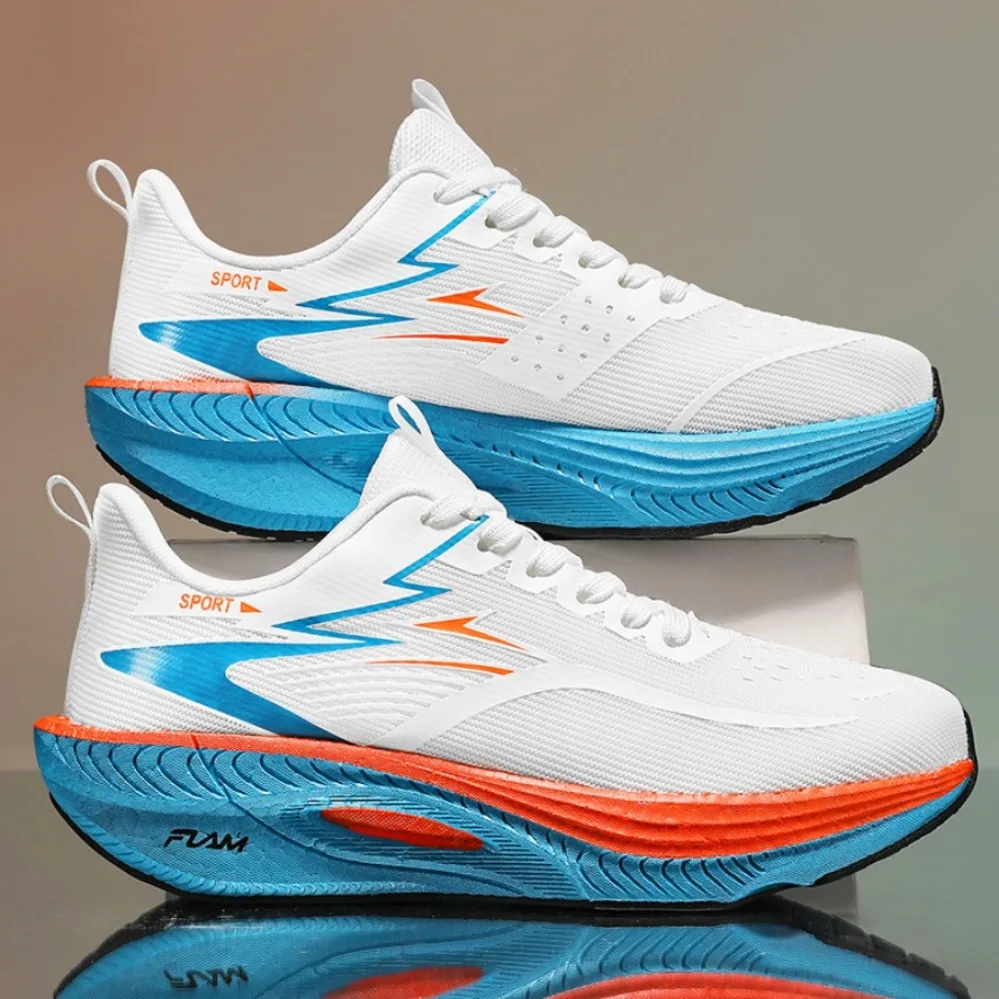
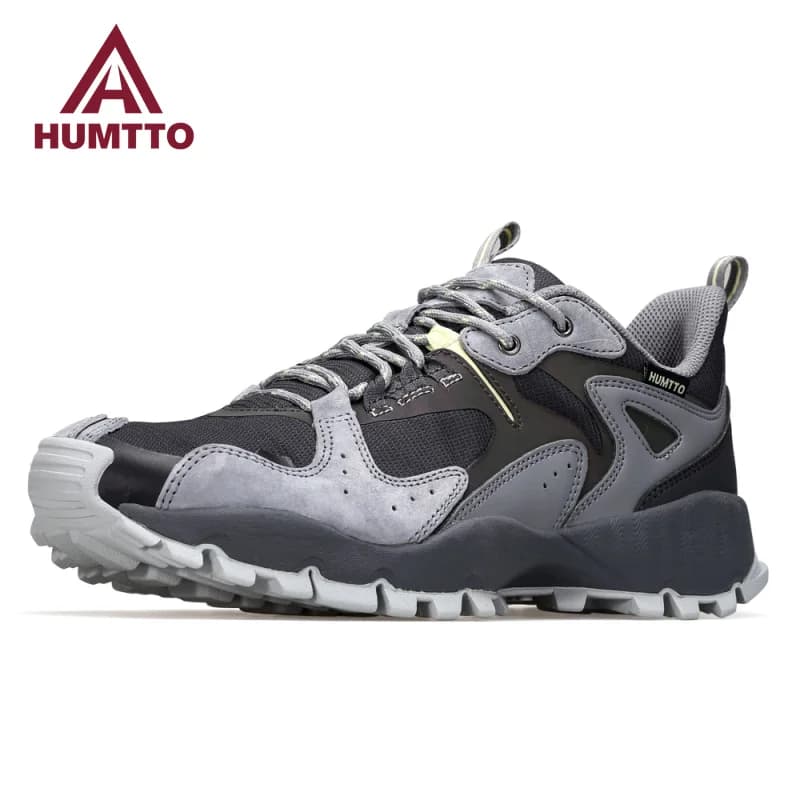
The ONEMIX Running Shoes Breathable Jogging Men Lightweight on SHOPTHIVA at £106.99 targets this balance directly. The breathable upper keeps feet cool during sustained running, and the lightweight construction reduces the energy cost of each step.
At under £110, these are priced for someone who runs regularly and replaces their shoes before the cushioning compresses. Running shoes should be replaced every 300-500 miles, continuing on worn cushioning is a direct path to injury. An affordable pair you can replace regularly is better than an expensive pair you keep too long.
The design focuses on the fundamentals, cushioning, breathability, weight, without the premium-brand markup. For someone running 3-4 times a week to stay fit, this is the practical specification.
How running supports healthy aging
The connection between running and healthy aging is well-documented. Regular aerobic exercise improves cardiovascular health, maintains bone density, and supports the muscle preservation that the protein intake research highlights. Running is one of the most efficient ways to get this exercise.
Consistency matters more than intensity. Three 30-minute runs per week at a comfortable pace delivers the health benefits without the injury risk of high-intensity training. The key is showing up consistently, and that means shoes that don't hurt your feet or knees.
Recovery becomes more important after 40. Your body takes longer to recover from the same workout that a younger person bounces back from overnight. Good running shoes reduce the damage your body needs to recover from in the first place. They're not a replacement for rest and nutrition, but they reduce the load.
When to replace your running shoes
The 300-500 mile rule is the standard guideline. If you run 15 miles per week, that's roughly 4-6 months per pair. Mark the date you start wearing a new pair, or track your mileage with a running app.
Physical signs of wear are a more immediate indicator. If the midsole compresses and doesn't spring back when pressed, the cushioning is gone. If the outsole tread is worn smooth, grip is compromised. If the upper has stretched or torn, the support structure is failing.
Don't wait for pain to tell you it's time. By the time your knees or feet start hurting, the damage is already happening. Replace shoes on a schedule, not on a pain threshold. This is the single most effective thing you can do to prevent running-related injuries after 40.
Featured in this article
Frequently asked questions
How often should I replace running shoes after 40?
Every 300-500 miles, or roughly every 4-6 months if you run 15 miles per week. After 40, your body recovers more slowly from impact stress, so err on the side of replacing earlier rather than later. Don't wait for pain, by the time it hurts, the damage is already done.
Are more expensive running shoes better for older runners?
Not necessarily. The key features, cushioning, breathability, and weight, are available at mid-range price points. Premium shoes add proprietary technologies that provide marginal gains, but the fundamentals matter most. A £110 shoe you replace every 4 months is better for your joints than a £150 shoe you keep for 2 years.
Should I size up in running shoes?
Yes, typically by half a size. Feet swell during running, especially in warm weather. A thumb's width of space between your longest toe and the end of the shoe allows for this swelling. If you're between sizes, always size up for running shoes, never down.