

Safety Trainers UK: Work Boots That Double as Training Shoes
Safety trainers aren't just for construction sites. Here's how anti-puncture shoes protect your feet at work and during weekend sport.
SHOPTHIVA Editors
Why safety trainers are having a moment
Safety trainers used to be strictly functional, heavy, ugly, and only worn on building sites. That's changed. Modern safety trainers look like regular sport shoes and protect against hazards that regular trainers can't handle. They've crossed over into everyday use, and for good reason.
If you work in warehousing, delivery, construction, or any environment where sharp objects or heavy items are a risk, regular trainers leave your feet exposed. A nail through the sole or a dropped tool on the toe ends your workday and potentially your season.
The crossover appeal is real, people who play weekend football or train after work want one pair of shoes that handles both. Safety trainers with sport shoe aesthetics bridge that gap. They look like trainers but protect like boots.
What anti-puncture actually means
Anti-puncture refers to a protective layer embedded in the sole of the shoe. It's typically made from Kevlar or a similar composite material that prevents sharp objects, nails, glass, metal shards, from penetrating through to your foot. This is different from steel toe caps, which protect the toes from impact and compression.
A proper safety trainer combines both: a toe cap for impact protection and an anti-puncture midsole for underfoot hazards. The level of protection is rated to European standards (EN ISO 20345), which specifies the exact forces and pressures the shoe must withstand.
The key advantage of anti-puncture over traditional steel midsoles is weight. Kevlar and composite materials are significantly lighter than steel, which means the shoe feels more like a trainer and less like a boot. This matters if you're on your feet all day or transitioning between work and sport.
A pair that works on site and on the pitch
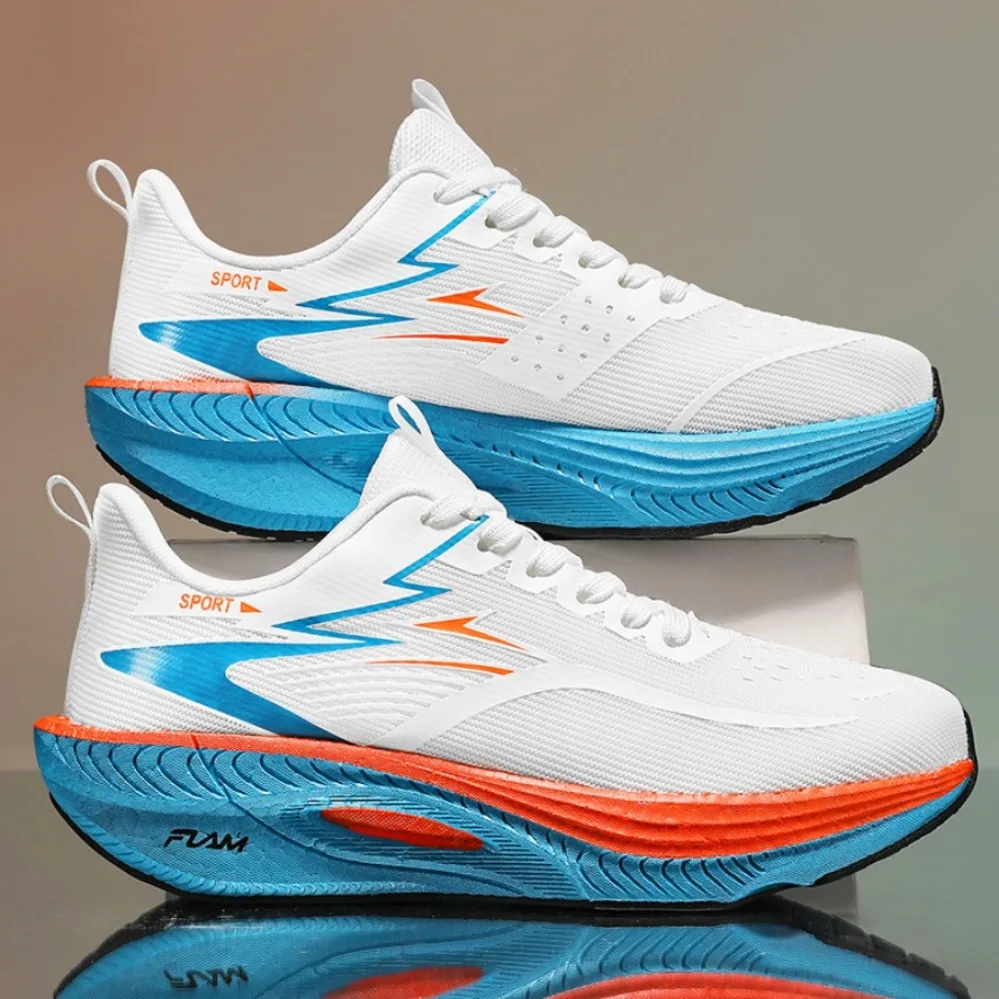
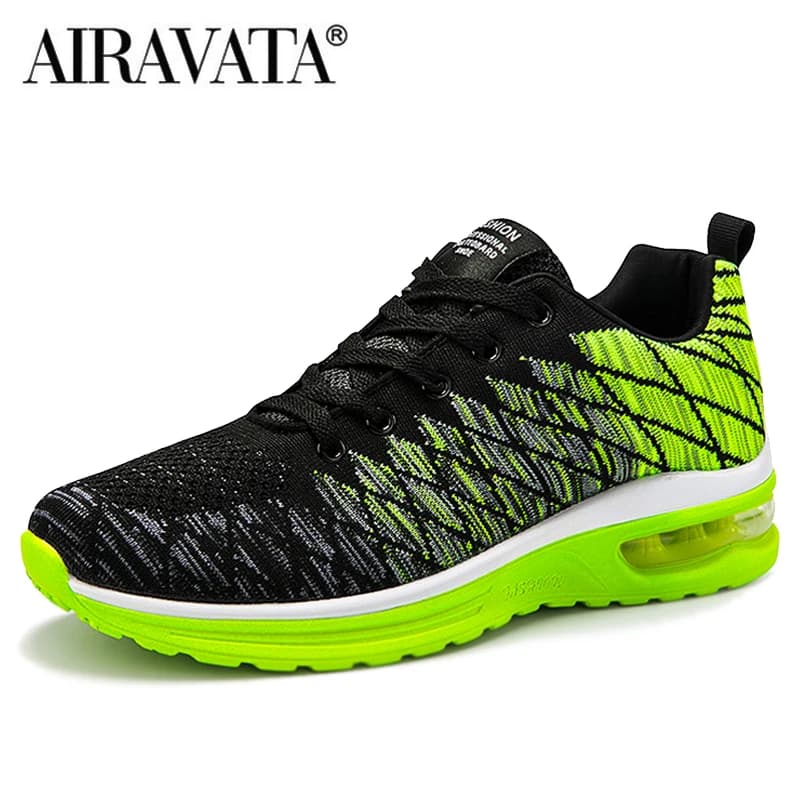
The Men Work Safety Shoes Anti-puncture Working Sneakers Male available on SHOPTHIVA at £38.99 combines anti-puncture protection with a sneaker-style design. The exterior looks like a sport trainer, but the internal protection meets the standards required for workplace safety footwear.
At this price point, you're getting genuine protective technology rather than a fashion shoe with a reinforced toe. The anti-puncture sole is the feature that justifies the cost, it's the difference between a shoe that looks safe and one that actually is safe.
The trainer-style upper means these work in casual settings too. If you're heading to a five-a-side game after work, you don't need to change shoes. They're not football boots, but for casual kickabouts and training on hard surfaces, the grip is adequate and the protection is better than any football boot provides.
How to check if safety trainers are right for your workplace
Check your workplace safety policy first. Some sites require specific safety ratings (S3, S1P, etc.) and not all safety trainers meet every standard. S1P includes anti-puncture but not water resistance; S3 includes both. Know what your site requires before buying.
Fit is different from regular trainers. Safety shoes tend to run slightly wider to accommodate the toe cap. If you wear thick work socks, factor that in, you may need a half size larger than your normal trainer size.
Break them in before a full shift. The protective materials in the sole are stiff when new. Wear them for a few hours at a time for the first week. After that, they'll feel like regular trainers and you'll forget the protection is there until you need it.
What safety trainers won't do
They won't replace proper football boots on grass. The stud configuration on safety trainers is designed for hard surfaces, not for turf grip. If you're playing a proper match on grass, you need football boots.
They won't protect against chemical spills or extreme heat. Anti-puncture and toe cap protection addresses mechanical hazards, sharp objects and impact. Chemical resistance and heat protection require different specifications.
They won't last as long as dedicated work boots. The trainer-style construction trades some durability for comfort and weight. If you work in heavy industrial environments, traditional boots may serve you better. For light industrial, warehousing, and dual-use, safety trainers are the practical choice.
Featured in this article
Frequently asked questions
Can I wear safety trainers for football?
Safety trainers work for casual kickabouts and training on hard surfaces like artificial turf or concrete. They're not a substitute for football boots on grass, the grip pattern is designed for hard surfaces, not turf. But for five-a-side on artificial surfaces, they perform adequately and offer better foot protection than football boots.
What's the difference between S1P and S3 safety ratings?
S1P includes a toe cap for impact protection and an anti-puncture midsole, but no water resistance. S3 includes everything in S1P plus water-resistant uppers and cleated outsoles. If you work in dry indoor environments, S1P is sufficient. For outdoor or wet environments, S3 is the better choice.
Are anti-puncture soles lighter than steel midsoles?
Yes, significantly. Anti-puncture layers made from Kevlar or composite materials are about 30-40% lighter than traditional steel midsoles. This makes the shoe feel more like a trainer and reduces fatigue during long shifts. The protection level is the same, both prevent sharp objects from penetrating the sole.