


Sparkly Leotard Stage Costume: How to Choose a Rhinestone Bodysuit That Performs
A rhinestone leotard needs to look dazzling under stage lights - but it also needs to stay put, breathe, and survive the washing machine. Here is what to look for before your next performance.
SHOPTHIVA Editors
What Makes a Great Sparkly Leotard for Stage Performance
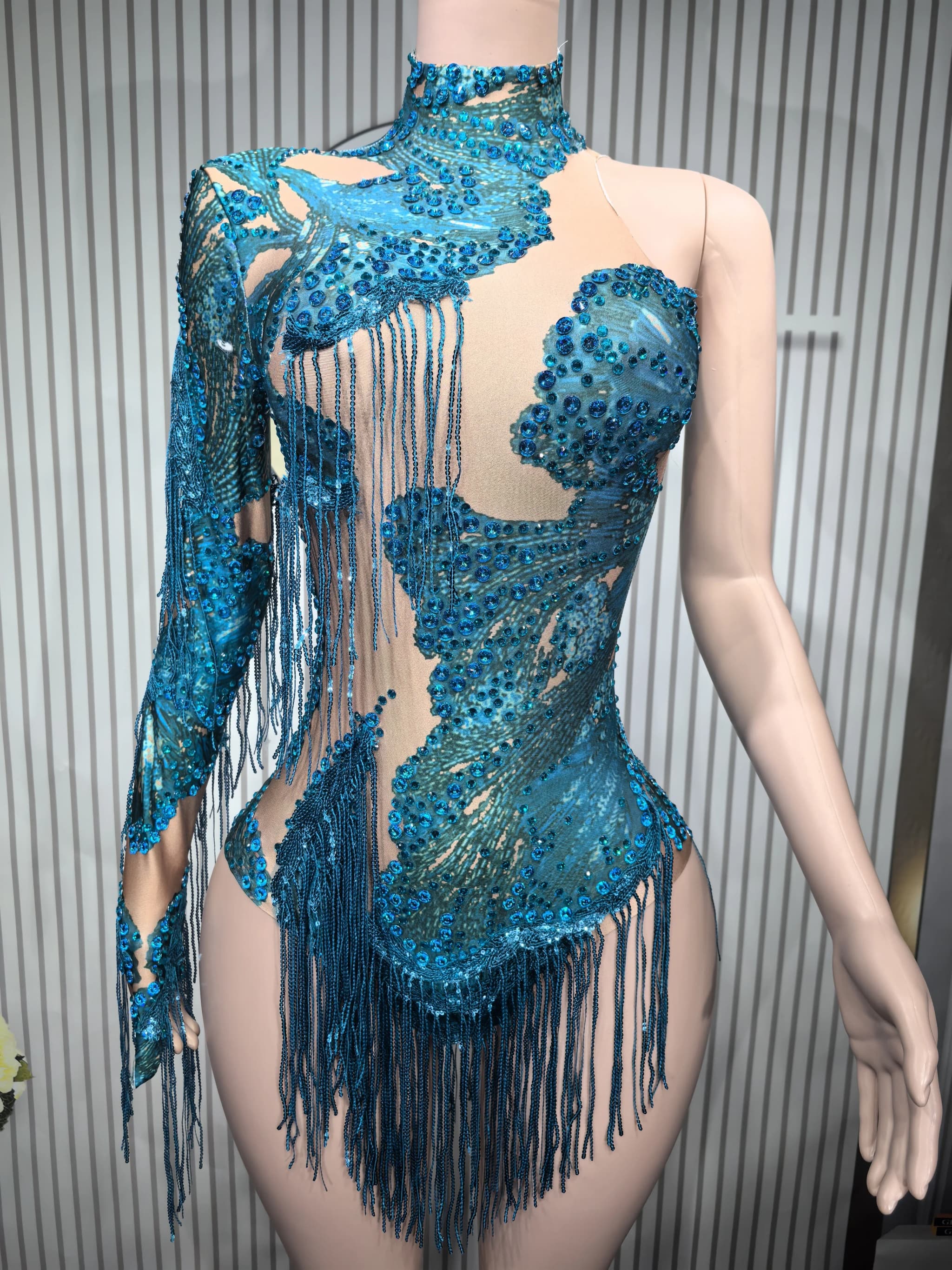
Stage lighting is unforgiving. It flattens subtle shimmer and rewards bold, high-contrast sparkle. A rhinestone leotard that looks impressive in a dressing-room mirror can disappear under floodlights if the stones are too small, too sparse, or attached with glue that melts under stage heat. The best performance leotards use heat-set rhinestones on a high-stretch fabric base - the stones catch light from every angle, and the fabric moves with your body without sagging or riding up during a full routine.
Stretch is non-negotiable. A stage leotard needs to hold its shape through jumps, extensions, and quick costume changes. Look for a fabric blend with at least 5 percent spandex or elastane - pure polyester stretches out after one wear and loses the second-skin fit that keeps stones flat against the body. A good performance leotard should feel like a compression garment when you put it on and snap back to its original shape the moment you take it off.
Choosing the Right Style for Your Performance Type
Singers and dancers have different needs. A singer standing at a microphone needs visual impact from the waist up - a high neckline with dense stone placement on the bodice draws the audience's eye to the face and torso. A dancer needs freedom through the shoulders and legs, so a sleeveless or strappy design with stones concentrated on the bodice and hips creates visual movement without restricting range of motion through the shoulders.
Colour matters more on stage than you might think. Blue and green rhinestones pop under cool-toned LED stage lights, while gold and amber stones warm up under tungsten. If you perform under mixed lighting, a neutral stone colour like clear AB (aurora borealis) reflects every colour in the spectrum and changes as you move - it is the safest choice for venues you have not seen before. Avoid all-black leotards with black stones because they photograph as a silhouette and lose detail on video recordings.
Caring for a Rhinestone Leotard So It Lasts
Never machine-wash a rhinestone leotard. The agitation pulls stones off and the heat weakens the adhesive bond. Turn it inside out, soak it in cold water with a gentle detergent for 10 minutes, and rinse without wringing. Lay it flat on a towel and press out the water - do not twist or stretch the fabric. Most stone loss happens in the first wash, so handle it gently and you will preserve the full pattern for dozens of performances.
Store it flat or rolled, never folded. Folding puts crease lines through the stone placement and can crack individual rhinestones along the fold line. A simple garment bag hung in a wardrobe keeps it safe and visible for your next show. If a few stones do come off over time, most leotards come with a small repair pack - use fabric glue specifically designed for rhinestones, not superglue, which clouds the stone facet and yellows the surrounding fabric.
Featured in this article
Frequently asked questions
Can you wear a sparkly leotard for dance as well as singing?
Absolutely. The key is choosing a cut that suits your movement type. Sleeveless styles work best for dance because they allow full shoulder range. For singing, a long-sleeve or high-neck design maximises the visual impact of the stones under stage lights.
Do rhinestone leotards run true to size?
They tend to run small because the stretch fabric is designed to fit like a second skin. If you are between sizes, go up one - a slightly looser fit is better than one that restricts breathing or circulation during a high-energy performance.