

The Commute Trench Coat: One Layer That Sorts September to November
Why a simple trench is the highest-mileage autumn layer for UK commutes, what length to pick, what to wear under it, and how it handles rain, trains and offices.
SHOPTHIVA Editors
Why the trench wins the commute
A trench solves the specific problem of British autumn: it rains, but it is not cold. A padded jacket makes you sweat on the train; a blazer soaks through. A trench is shower-resistant, breathable, and looks deliberate over both office trousers and jeans, which is why it has survived every trend cycle since it was invented.
The commute test is simple: can you wear it at 8am in drizzle, carry it at lunch, and put it back on over a completely different outfit on Friday? A neutral trench passes all three.
Length and fit, get these two right
Knee-length or just below is the sweet spot for commuting: long enough to cover a skirt or dress, short enough not to fight a bike or a packed train. Oversize slightly, you want room for a knit underneath in November without the shoulders pulling.
Belted matters more than you think. Worn open over trousers it reads relaxed; belted over a dress it becomes an outfit. One coat, two registers.
What to wear under it, month by month
September: t-shirt or shirt, nothing else needed. October: add a fine knit, this is where a merino layer earns its place. November: knit plus scarf, and you are still lighter and drier than the person in the padded coat on a mild wet day.
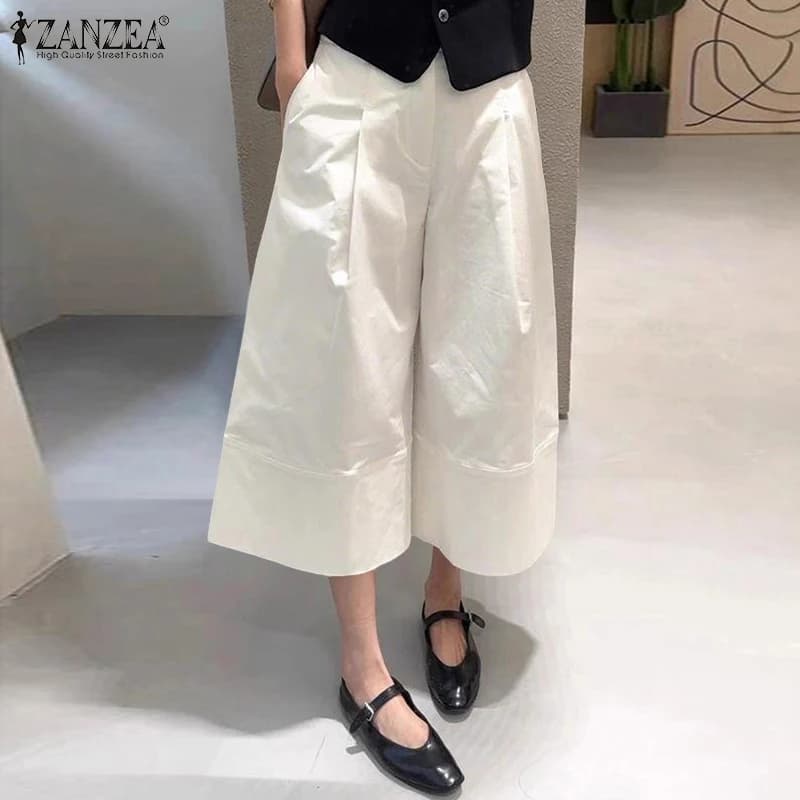
Pair it with a straight or calf-length trouser and the silhouette stays clean; wide-leg works if the coat is worn open.
The five-outfit test before you buy
Before any coat purchase, run it mentally over five outfits you already wear weekly. A good trench passes with: jeans and trainers, office trousers and loafers, a midi dress, a knit-and-skirt combination, and gym-to-errands athleisure. If it works over four of the five, it will earn daily wear; a coat that suits only one outfit register lives on the hook.
This is also why the classic colours dominate. A stone or camel trench disappears into every one of those five outfits; a statement colour turns several of them into a decision.
Weight is the final check. A cotton-blend trench without a heavy lining is the commuter's version, you can wear it from around 8°C up to about 18°C, which in practice is most of British autumn. Heavily lined versions look similar but give you a six-week window before they are too much.
Looking after a light-coloured coat
Beige shows marks, that is the trade for its versatility. The management is easy: spot-clean cuffs and collar with diluted washing-up liquid as soon as marks appear, machine wash cool only a few times a season, and re-apply a spray-on water repellent after each wash so drizzle beads off rather than soaking in.
Hang it on a broad-shouldered hanger, never a hook, and it keeps its line all season. A trench treated this way looks new for three or four autumns.
One-minute buying checklist
Before checkout: knee-length or just below, belted, a cotton-rich shell without heavy lining, raglan or set-in shoulders roomy enough for a knit, and pockets deep enough for a phone, shallow decorative pockets are the most common regret. Colour in stone, camel or black depending on your wardrobe's base. If a coat ticks all six, it will still be in rotation in three years, which is the entire point of a trench.
Featured in this article

Frequently asked questions
Is a trench actually waterproof?
Shower-resistant rather than waterproof, fine for drizzle and the dash between station and office. For sustained heavy rain you still want an umbrella.
What colour is most versatile?
Classic beige/camel goes with everything and hides light rain marks. Black reads slightly more formal; khaki slightly more casual. Pick whichever matches most of your existing wardrobe.
Can I machine wash it?
Check the label, most cotton-blend trenches take a 30°C gentle cycle. Reproof with a spray-on water repellent once a season to keep the shower resistance.
Product gallery
Further reading