

Waterproof Hiking Shoes for UK Trails: What Actually Keeps Feet Dry
Not all waterproof hiking shoes survive British mud. Here's what to look for - and the pair that delivers real performance without the premium price tag.
SHOPTHIVA Editors
Why Waterproof Hiking Shoes Matter on UK Trails
If you have ever set off across the Yorkshire Dales in August and ended up ankle-deep in bog water within twenty minutes, you already know the answer. British trails do not wait for winter to get wet. Rain, dew-soaked grass, stream crossings, and that particular mud that sucks your shoe off - they are year-round fixtures. A proper pair of waterproof hiking shoes is not a luxury on UK paths. It is the difference between finishing a route and hobbling back to the car park with wrinkled, blistered feet.
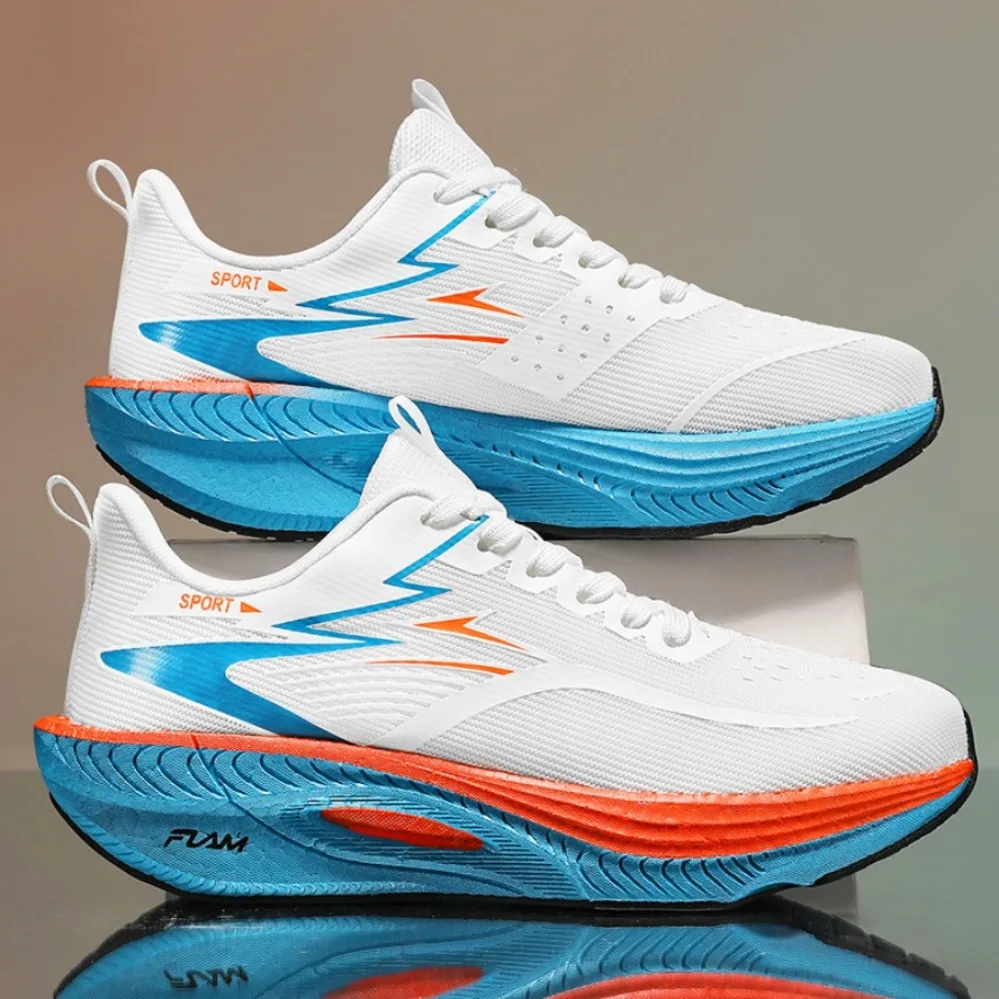
The problem is that waterproof claims are cheap. Stick a membrane label on a shoe and charge an extra forty pounds - that is the playbook for most outdoor brands. But a membrane alone does not make a shoe waterproof. You need sealed seams, a gusseted tongue, and a sole that sheds water rather than channelling it inside. The best waterproof hiking shoes for UK conditions combine a breathable waterproof membrane with a properly constructed upper and a grippy outsole that handles wet rock and slippery boardwalks.
What to Actually Look For in Waterproof Trail Shoes
Skip the marketing bullet points and focus on three things: membrane, construction, and grip. A waterproof membrane - whether branded or generic - stops liquid water entering but lets sweat vapour escape. That breathability is critical because a shoe that traps moisture from the inside feels just as wet as one that lets rain in. Look for shoes that explicitly mention a waterproof breathable membrane, not just a water-resistant coating.
Construction matters more than most people realise. A shoe with a waterproof membrane but exposed stitching at the toe cap or a non-gusseted tongue will let water in through the gaps. Check for overlays at the toe and heel, a tongue that is stitched or gusseted to the upper, and minimal exposed mesh. Grip is the third pillar. UK trails throw mud, wet rock, loose gravel, and slippery wooden boardwalks at you, often on the same route. A deep-lug outsole in a sticky rubber compound will keep you upright when conditions turn.
How to Care for Waterproof Hiking Shoes
Even the best waterproof shoes lose effectiveness if you neglect them. Mud clogs the membrane, dirt degrades the upper, and salt from sweat breaks down the lining. Rinse your shoes after every muddy hike - a garden hose or a tap is enough. Let them dry at room temperature, never on a radiator or next to a fire, because heat cracks the membrane and warps the midsole.
Reapply a durable water repellent spray every few months, or whenever you notice water soaking into the outer fabric instead of beading up. Check the seams and overlays for separation - a bit of seam sealant costs pennies and can extend a shoe's waterproof life by months. Store them somewhere dry with the laces loosened so air can circulate inside. Treat your waterproof hiking shoes well and they will keep your feet dry for hundreds of miles.
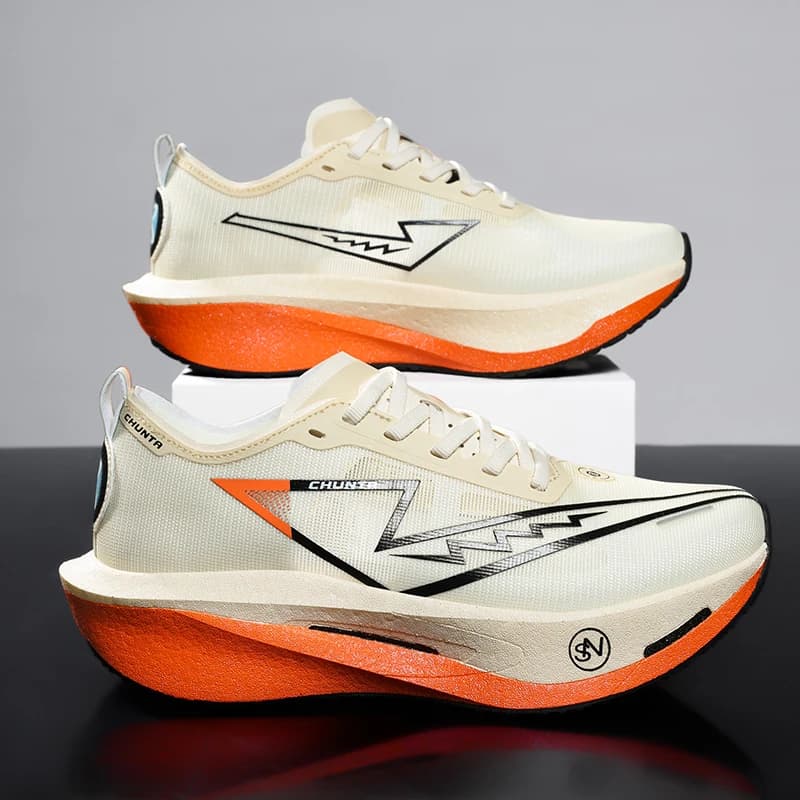
Featured in this article

Frequently asked questions
Are waterproof hiking shoes too hot for summer in the UK?
They can be, but modern breathable membranes manage moisture well. If you mostly walk dry lowland paths in summer, a ventilated trail shoe might be more comfortable. For mixed conditions - which is most UK hiking - a waterproof shoe is the safer bet.
How long do waterproof hiking shoes stay waterproof?
With proper care, a quality pair will stay waterproof for 300 to 500 miles. Reapply DWR treatment regularly and rinse off mud after each hike. When water stops beading on the surface, it is time to re-treat or replace.