

Women's Fitness Jacket for Autumn Training: A UK Buying Guide
A good women's fitness jacket bridges the gap between cold morning runs and warm gym sessions. Here is how to choose one that actually performs.
SHOPTHIVA Editors
Why Autumn Training Demands the Right Jacket
Autumn is the season that catches runners off guard. The mornings are cold enough to need a layer, but ten minutes into a workout you are overheating in a thick tracksuit. A women's fitness jacket bridges that gap. It gives you enough warmth for the first mile and enough breathability to keep you comfortable through the rest.
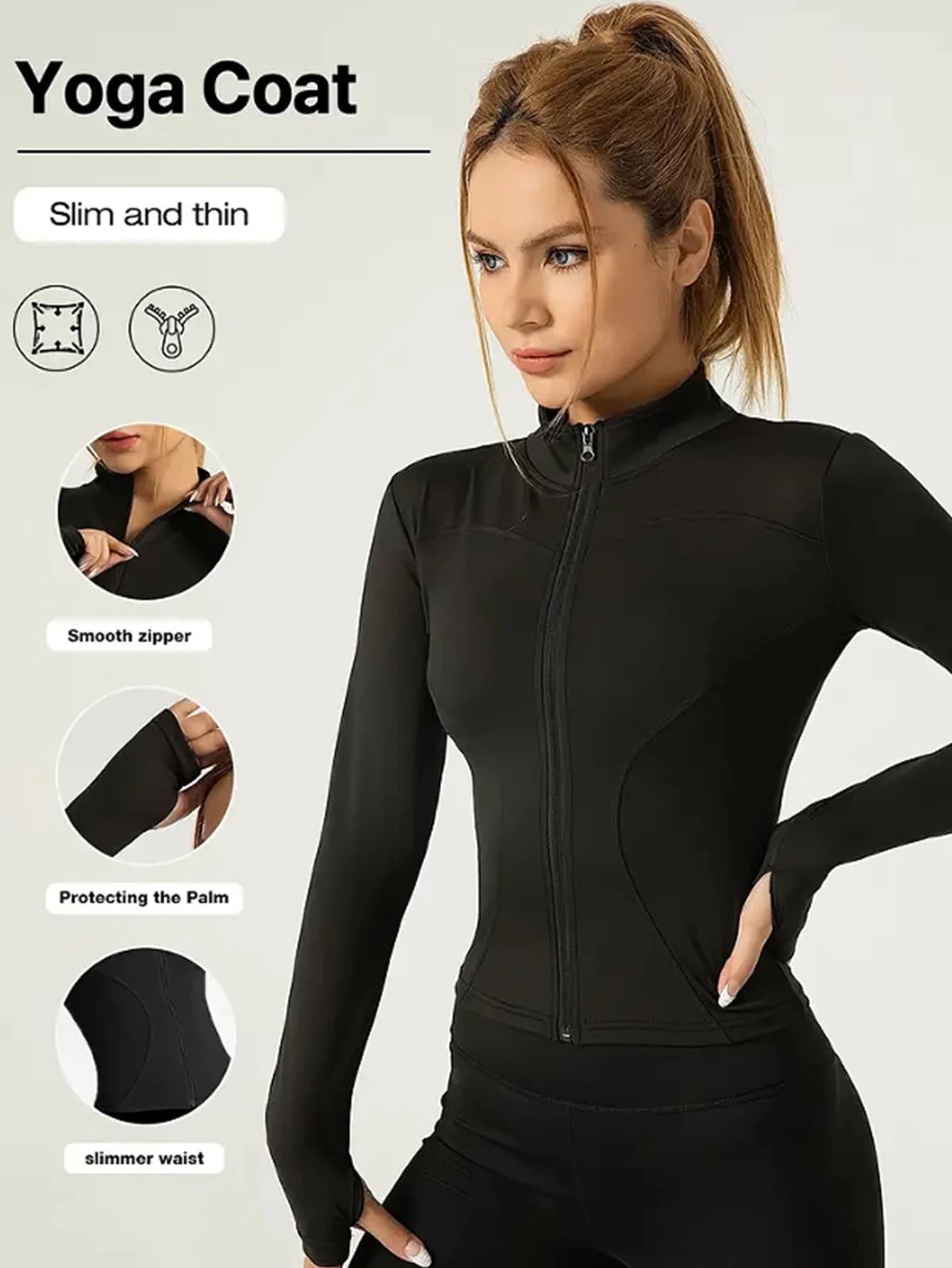
The Fitness jacket, women's tight quick-drying top, autumn at £21.49 is designed for exactly this in-between season. The fitted cut traps a thin layer of warm air against your skin without the bulk of a full tracksuit. The quick-dry fabric pulls sweat away from your body so you do not end up cold and clammy when you stop moving.
When fitness culture trends upward, as it does when athletic performance enters the news cycle, people start reassessing their training kit. The jacket you wore in July will not work in October. The question is whether the one you choose for autumn can handle the transition from cold start to warm session without becoming a liability.
What Real Buyers Are Saying
Buyers consistently mention the fit being snug and flattering. Multiple reviewers report that the jacket holds its shape through repeated washes, which is a common failure point for cheaper athletic wear. When buyers independently mention the same thing, it is not marketing. It is a genuine product characteristic.
Several buyers highlight the quick-dry performance. They describe wearing the jacket for high-intensity sessions and finding it dry enough to wear again the same day after a quick wash. This matters if you train daily and do not want a pile of sweaty jackets building up between laundry days.
A few buyers note that the jacket runs slightly small and recommend sizing up if you prefer a looser fit. This is the kind of honest detail that helps you order the right size the first time. The fitted design is intentional for performance, but not everyone wants a compression feel for every workout.
How the Fabric Performs Under Pressure
The fabric is the core of any fitness jacket, and this one uses a quick-dry synthetic blend that does what it claims. During a workout, the material pulls moisture from your skin to the outer surface where it evaporates. This is not the same as being waterproof. It is better for training, because waterproof fabrics trap heat and sweat inside, which is the last thing you want during intervals.
The tight fit serves a purpose beyond aesthetics. A close-fitting jacket reduces fabric movement, which means less chafing during repetitive motions like running or cycling. It also means the fabric stays in contact with your skin, which is how the moisture-wicking effect works. A loose jacket leaves gaps where sweat pools and cools you down too fast when you stop.
In the product photos, you can see the texture of the fabric and the flatlock seams. Flatlock seams sit flush against the skin rather than raising a ridge, which is what causes chafing on cheaper garments. At £21.49, the construction quality is well above what you would expect at this price point. It looks like it costs triple.
Styling and Versatility Beyond the Gym
A fitness jacket that only works in the gym is a fitness jacket that sits in a drawer. The best ones transition into everyday wear, and this jacket does that well. The fitted silhouette and clean lines mean you can wear it with joggers for a coffee run or under a heavier coat for a layered look on colder days.
The autumn colour palette works with standard wardrobe staples. You can pair it with black leggings, grey joggers, or denim depending on the setting. The jacket does not scream gym wear, which is the difference between a piece you reach for and a piece you only wear when you have no alternative.
Cost-per-wear is where this jacket wins. At £21.49, wearing it twice a week for a season means the cost per wear drops below a pound. If you wear it for training and for casual outings, the number gets even lower. A jacket that performs in both contexts is a better investment than two separate pieces that each do one job.
The jacket also works well as a base layer for outdoor activities beyond running. If you cycle, hike, or walk in cooler weather, the tight fit and moisture management make it a solid foundation layer under a shell or windbreaker. It is the kind of piece that earns its place in your drawer by being useful across multiple activities rather than just one.
Choosing the Right Size and Care
As buyers noted, the jacket runs snug. If you are between sizes or prefer a relaxed fit for low-intensity work like yoga or walking, size up. For running, HIIT, or cycling where a compression fit is an advantage, stick with your usual size. The fabric has enough stretch that it will accommodate without restricting movement.
For care, a cold wash on a gentle cycle is enough. Avoid fabric softener, which coats synthetic fibres and reduces their moisture-wicking ability. Hang drying is better than tumble drying, both for the fabric and for your energy bill. The jacket dries quickly on a line, which ties back to the quick-dry property that buyers highlight.
The honest caveat is that this is a single-layer jacket, not an insulated one. It will handle cool autumn mornings but will not substitute for a winter running jacket when temperatures drop near freezing. If you train outdoors through December and January, you will need a thicker layer. For September through November and early spring, this is exactly the right weight.
One more practical tip worth noting. If you train early in the morning or in the evening, consider how visible the jacket is in low light. The fitted design means you can easily layer a high-visibility vest or reflective armband over it without bulk. This is a small detail that makes a real difference for road safety during the darker autumn months.
Featured in this article