

Women's Fitness Shorts UK: High-Waisted Shorts for Running, Netball, and Training
Fitness shorts that stay put during sprints and squats are hard to find. Here's what high-waisted quick-dry shorts do differently.
SHOPTHIVA Editors
Why most fitness shorts fail during real training
Fitness shorts are one of those products where the difference between good and bad is immediately obvious. Bad fitness shorts ride up during squats, slide down during sprints, and become transparent when stretched. Good fitness shorts stay in place, stay opaque, and keep you comfortable through varied movements.
The most common failure is the waistband. Low-rise waistbands that sit on the hips slide down during running and squatting. Every few minutes, you're pulling them back up. Over a training session, this becomes exhausting and distracting.
High-waisted designs solve this. A waistband that sits above the hips, at the natural waist, stays anchored during movement. The wide band distributes pressure evenly without digging in, and the position above the hip bones means there's nothing to slide down to.
What makes fitness shorts work for multiple sports
Quick-dry fabric is non-negotiable. During training, sweat needs to be wicked away from the skin to regulate temperature and prevent chafing. Cotton absorbs sweat and stays wet, becoming heavy and uncomfortable. Synthetic moisture-wicking fabrics pull sweat to the surface where it can evaporate.
Stretch is the second factor. Fitness shorts need to accommodate full ranges of motion, deep squats, lunges, sprints, and jumps. Fabric with 15-20% elastane stretches in all directions and snaps back to shape. Without adequate stretch, shorts restrict movement and can contribute to injury.
Length is a personal but practical choice. Short shorts (3 inch inseam) offer maximum freedom but may ride up. Mid-length (5-7 inch inseam) is the sweet spot for most training. Longer shorts (9+ inches) can restrict knee movement during deep squats and lunges.
A versatile pair for multiple sports
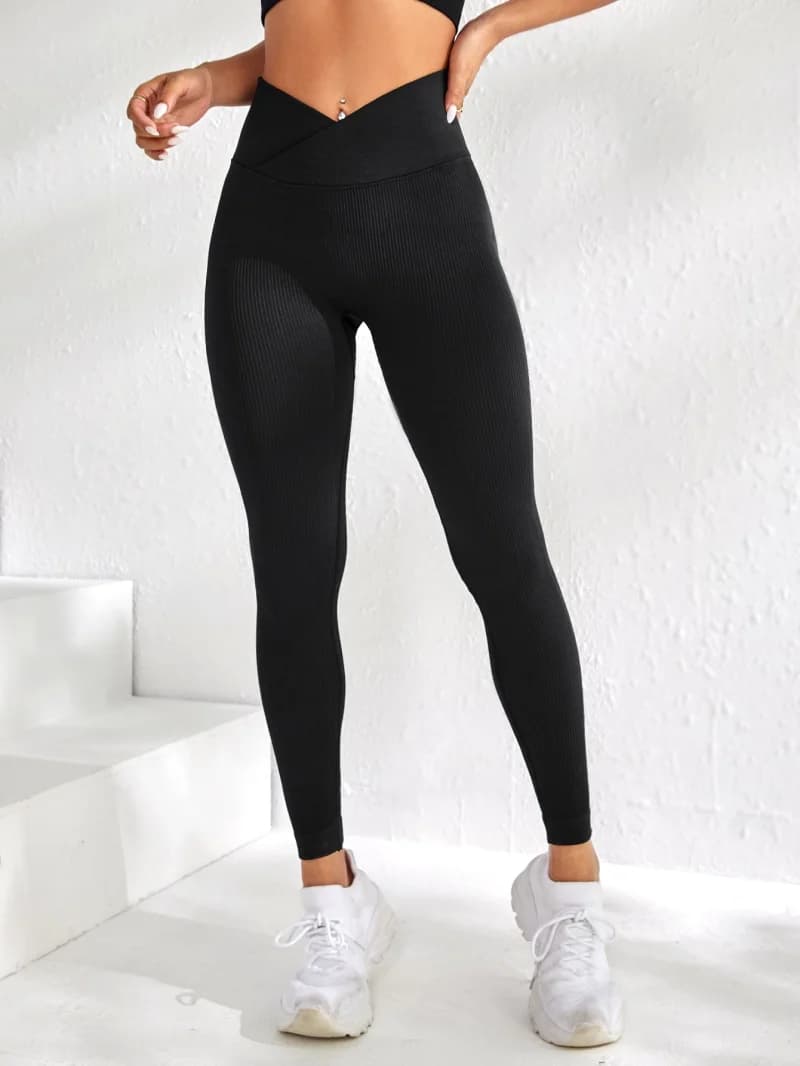
The Women's Sports Cycling Jogging Fitness Shorts on SHOPTHIVA feature a high-waisted design with quick-dry properties. At £23.99, they're priced as a practical, multi-use option for the active woman.
The description covers cycling, jogging, and fitness, which means they're designed for varied movement patterns, not just one sport. This is important if you do different activities throughout the week. One pair of shorts that works for a Monday run, a Wednesday netball session, and a Friday gym workout is more useful than three specialised pairs.
The high waist design is specifically mentioned, which tells you the manufacturer understood the primary complaint with women's fitness shorts. This isn't a fashion feature, it's a functional design choice that addresses the #1 problem in the category.
How to choose the right compression level
Compression isn't one-size-fits-all. Light compression provides gentle support and a smooth fit without feeling restrictive. This is ideal for general training, running, and netball. High compression (like that in dedicated compression shorts) increases blood flow and reduces muscle vibration, but can feel claustrophobic for casual wear.
For most people, light-to-moderate compression is the right choice. It holds everything in place without restricting movement or breathing. If you're doing high-intensity training with lots of jumping, slightly more compression keeps the shorts and your muscles stable.
The way to test compression is the squat test. Put the shorts on and do a deep squat. If the fabric stretches but recovers and stays opaque, the compression is right. If you can see through the fabric or it doesn't recover, the compression is insufficient.
Caring for fitness shorts
Wash after every training session. Bacteria from sweat breaks down synthetic fibres and causes permanent odour that no amount of washing will remove once it sets in. Cold water with a sport detergent is the most effective approach.
Avoid fabric softener completely. It coats the fibres and eliminates the moisture-wicking capability that makes the shorts worth wearing. If you've been using fabric softener and notice your shorts aren't wicking sweat like they used to, wash them several times without it to strip the coating.
Air dry. The thin, stretchy fabric dries in under an hour on a line. Tumble drying degrades the elastane content and reduces the lifespan significantly. If you train frequently, having two pairs and rotating them gives each pair time to fully dry and recover between uses.
Featured in this article
Frequently asked questions
Are high-waisted shorts better for running than low-rise?
For most people, yes. High-waisted shorts stay in place during running without sliding or needing constant adjustment. The wide waistband distributes pressure evenly without digging in. Low-rise shorts tend to slide down during running, which is distracting and uncomfortable. The high-waisted design is now the standard for serious training shorts.
Can I wear these shorts for netball?
Yes, high-waisted quick-dry shorts work well for netball. The high waistband stays secure during the sprinting, pivoting, and jumping that netball requires. The quick-dry fabric manages sweat during intense court sessions. Look for a 5-7 inch inseam for optimal freedom of movement without excess fabric.
How do I know if fitness shorts are squat-proof?
The squat test is simple: put the shorts on and do a deep squat in front of a mirror. If you can see your skin through the fabric when stretched, they're not squat-proof. Look for shorts with adequate fabric weight and elastane content (15-20%). Thinner, cheaper shorts often fail this test.