
Makeup Brush Sets: How Many Brushes Do You Actually Need?
Makeup brush sets range from 4 brushes to 30. Most people need 5-8. Here is which brushes actually matter, which ones you can skip, and why a 13-piece set at £12.99 covers everything.
SHOPTHIVA Editors
Why most brush sets have too many brushes
A 24-piece brush set looks impressive on the shelf. In practice, six of those brushes are variations on the same shape, four are for techniques you will never use, and two are so small they are only useful for detail work on a film set. The average person doing everyday makeup needs 5-8 brushes, not 24.
The brushes that make a visible difference to your makeup are: a powder brush, a blush brush, a foundation brush or sponge, an eyeshadow blender, an eyeshadow shader, an angled brow brush, and a lip brush if you wear lipstick regularly. That is seven brushes that cover 95% of daily makeup application.
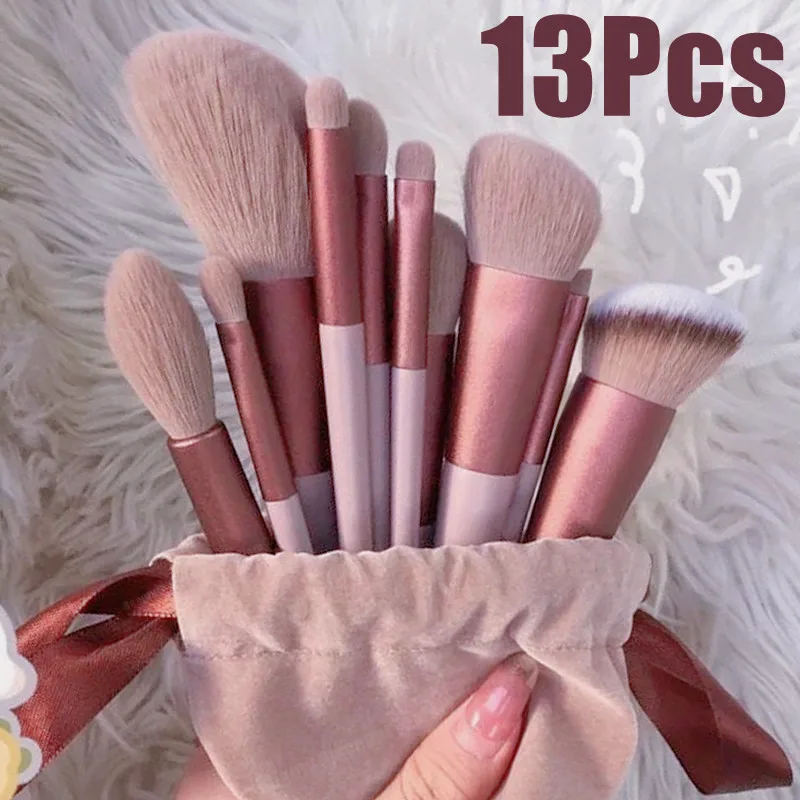
The 13 PCS Makeup Brushes Set at £13.99 includes all seven of these plus a few useful extras. It is more than the minimum and less than excessive. The extras are specific enough to be useful (a concealer brush, a spoolie) rather than filler.
The seven brushes that matter most
Powder brush. Large, fluffy, and domed. This sets your foundation with loose or pressed powder and blends everything together. If you only own one brush, make it this one. A good powder brush creates an airbrushed finish by diffusing powder evenly across the face.
Blush brush. Slightly smaller and more angled than a powder brush. The angle lets you sweep colour along the cheekbone without depositing too much product. If you try to apply blush with a powder brush, you will over-apply every time.
Foundation brush. Dense and flat. A foundation brush pushes product into the skin rather than spreading it across the surface, which gives better coverage with less product. Alternatively, use a damp beauty sponge, which gives a more natural finish but uses more product.
Eyeshadow blender. A fluffy, tapered brush for diffusing eyeshadow at the crease. This is the brush that makes your eyeshadow look blended rather than painted on. It is the single brush that beginners skip and then wonder why their eyeshadow looks streaky.
Eyeshadow shader. Flat and dense. Packs colour onto the eyelid with minimal fallout. You press this brush onto the eyelid rather than sweeping it, which deposits colour precisely where you want it.
Angled brow brush. A small, firm angled brush for filling in brows with powder or pomade. Also doubles as an eyeliner brush for gel liner.
Lip brush. Small, tapered, and firm. Gives you more precision than the lipstick bullet itself, especially for dark or bold colours where a steady hand matters.
Synthetic vs natural hair: the practical answer
Natural hair brushes (typically goat, squirrel, or pony) are prized for how soft they feel and how well they pick up powder. Synthetic brushes (typically taklon or nylon) are firmer, easier to clean, and better for cream and liquid products. For most people, synthetic is the better choice.
The reason is practical: synthetic brushes do not absorb product. A natural hair brush soaks up some of your foundation or cream product into the bristles, which means you use more product and the brush is harder to clean. Synthetic bristles let the product sit on the surface, so more of it goes onto your face where it belongs.
The 13-piece set at £12.99 uses synthetic bristles, which at this price point is the right call. Synthetic brushes at £12.99 perform well for daily use. Natural hair brushes at £12.99 tend to shed and lose shape quickly. Save natural hair for the luxury price point where the quality justifies the cost.
What the extra brushes in a 13-piece set are for
Beyond the seven essential brushes, the 13-piece set includes: a concealer brush (small, flat, dense for precise coverage of blemishes and under-eyes), a spoolie (for brushing brows into place before filling them in), an eyeshadow detail brush (for precise colour placement at the inner or outer corner), a contour brush (angled for sculpting along the cheekbone and jawline), a highlighter brush (tapered for precise placement on the cheekbone), and a fan brush (for sweeping away fallout and applying a light dusting of highlighter).
These are genuinely useful, not filler. The concealer brush and spoolie are daily-use tools for most people. The contour and highlighter brushes are useful if you contour regularly. The detail brush and fan brush are less essential but still practical.
How to clean your brushes (and how often)
Clean your brushes once a week if you use them daily. Once a fortnight if you use them occasionally. The method is simple: wet the bristles under lukewarm water, apply a drop of gentle shampoo or brush cleaner to your palm, swirl the brush in circles until it lathers, rinse until the water runs clear, reshape the bristles, and lay flat to dry.
Never soak the ferrule (the metal band where the bristles meet the handle). Water inside the ferrule dissolves the glue that holds the bristles, causing shedding. Never stand brushes upright to dry. Water runs down into the ferrule and causes the same problem. Lay them flat on a towel.
Store brushes in a holder with the bristles facing up, or in the case that comes with the set. The 13-piece set includes a carrying case that keeps the bristles protected and the set organised. Use it. Brushes that roll around in a drawer get bent bristles and distorted shapes.\n\nRelated reading: What Is a Fan Makeup Brush? How to Use · Makeup Organizer Toiletry Kit Review
Featured in this article
Frequently asked questions
How many makeup brushes does a beginner need?
Five to seven brushes cover everyday makeup: powder brush, blush brush, foundation brush or sponge, eyeshadow blender, eyeshadow shader, angled brow brush, and a lip brush if you wear lipstick. A 13-piece set gives you all of these plus useful extras.
Is a 13-piece brush set too many brushes?
Not if they are all useful. A 13-piece set typically includes seven essential brushes plus a few useful extras like a concealer brush and spoolie. Sets with 20+ brushes often include fillers. A 13-piece set is the right balance of coverage without excess.
Are synthetic makeup brushes as good as natural hair?
For most people, yes. Synthetic brushes are better for liquid and cream products, easier to clean, and do not absorb product. Natural hair brushes are slightly better for powder products but are harder to maintain and more expensive.
How often should I replace makeup brushes?
Replace brushes when the bristles start shedding, losing their shape, or feeling scratchy against your skin. With regular cleaning, a good synthetic brush set lasts 1-2 years. If a brush starts shedding within the first month, it was poorly made.
Product gallery
Further reading