
How to Choose Men's Large Size Outdoor Hiking and Running Shoes That Actually Fit
Finding hiking and running shoes that fit larger feet shouldn't mean compromising on grip, support, or durability. This guide breaks down what to look for before you buy.
SHOPTHIVA Editors
Why Grip Matters More Than Anything on the Trail
When you're moving across loose gravel, wet stone, or muddy singletrack, the single most important feature of your shoe is the outsole grip. A deep, multi-directional lug pattern gives you traction on ascents and braking control on descents, which is where most slips actually happen.
Rubber compounds vary a lot between budget and premium shoes. Softer rubber sticks better to wet rock but wears faster, while harder rubber lasts longer on tarmac and dry trails. For mixed hiking and running use, a mid-density rubber with 4-5mm lugs is a sensible all-rounder.
If you're new to trail running, Trail Runner magazine has excellent gear reviews that compare outsole performance across brands and conditions. It's worth reading before you commit to a pair.
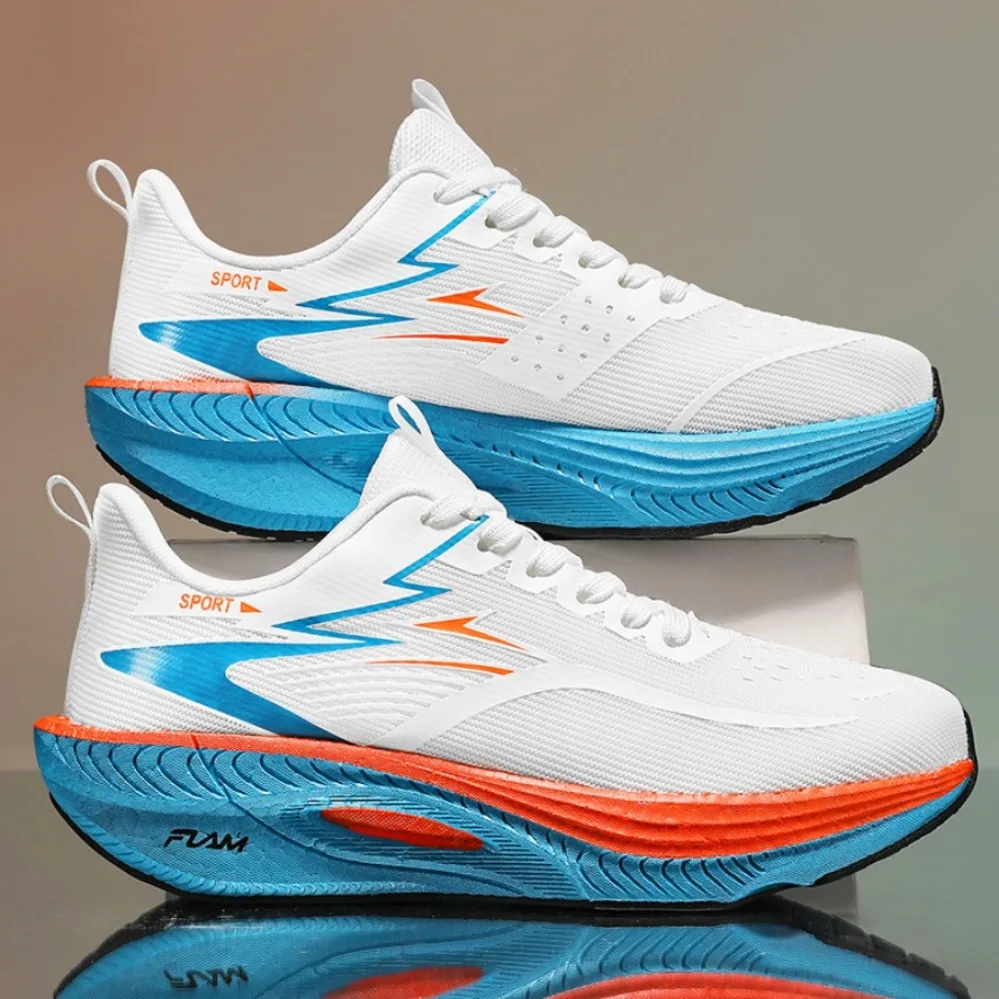
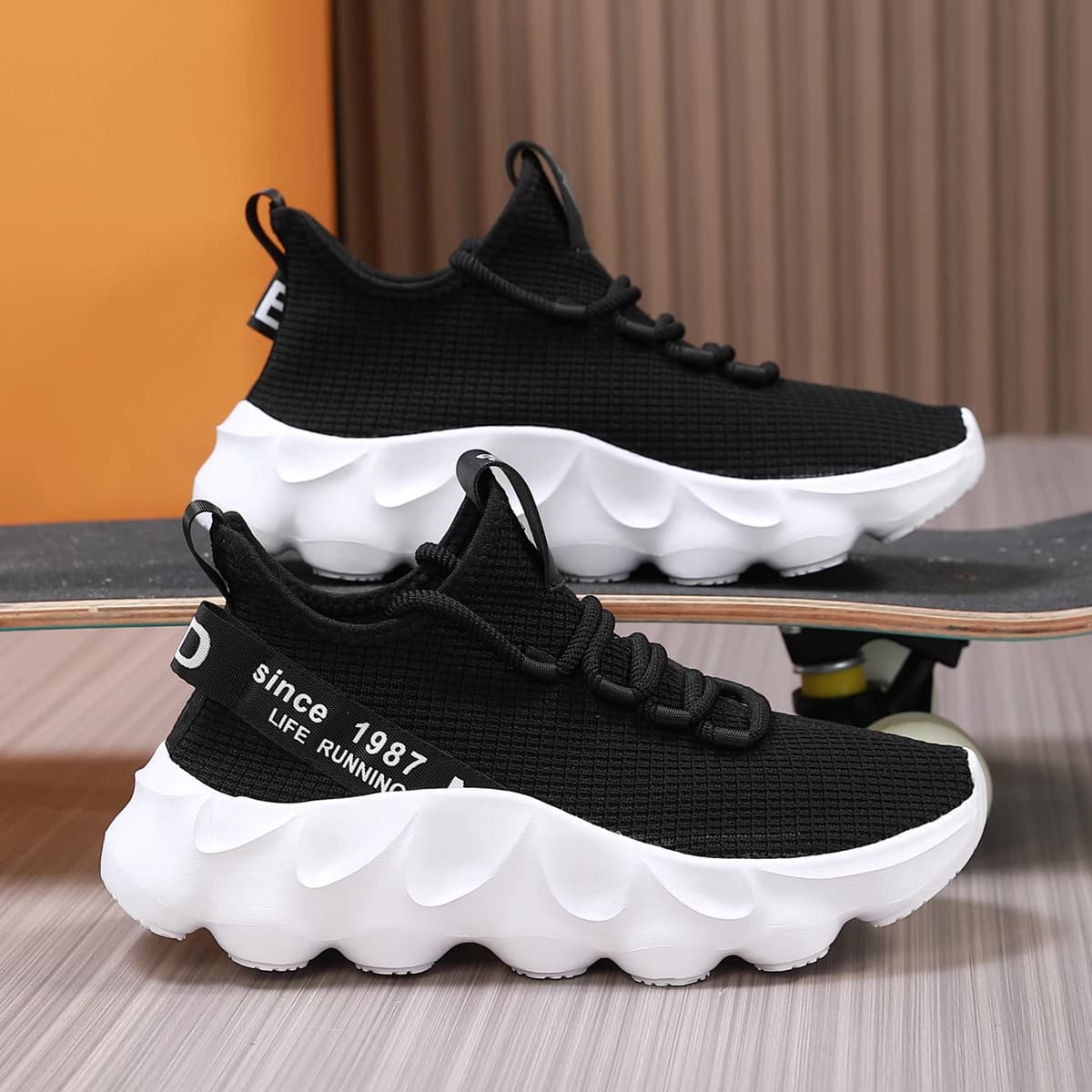
The Men's Large Size Outdoor Hiking and Running Shoes we stock use a rugged lug pattern designed for just this kind of mixed terrain, so you don't have to choose between grip and longevity.
Support and Cushioning for Long Days on Your Feet
Hiking and trail running put very different demands on your feet, but both require a shoe that holds the midfoot firmly while allowing the toes to splay naturally. A structured heel counter prevents your foot from sliding on descents, and adequate arch support reduces fatigue over multi-hour days.
Cushioning is a balance, not a bigger-is-better equation. Too much soft foam can destabilise your ankle on uneven ground, while too little leaves your joints absorbing every impact. Look for a shoe with responsive midsole foam that returns energy without bottoming out.
Ankle support is another consideration. Low-cut shoes are lighter and more agile for running, while mid-cut designs give extra stability for loaded hiking. If you're doing both, a supportive low-cut shoe with a wide base is a practical compromise.
For a broader look at how cushioning and support affect comfort over distance, Outdoor magazine regularly publishes footwear guides written by experienced long-distance hikers and runners.
Durability: What Actually Wears Out First
The outsole is the obvious wear point, but it's rarely the first thing to fail. More often it's the midsole foam compressing unevenly under the ball of the foot, or the upper tearing at flex points where the material creases with every step.
Reinforced toe caps and stitched rather than glued overlays make a real difference to how long a shoe lasts. A toe cap protects against rock strikes on technical trails, and stitched overlays resist the peeling that plagues cheap construction.
Mesh uppers breathe well but snag on thorns; synthetic leather panels add durability at the cost of some ventilation. Think about the terrain you'll actually cover most often and choose accordingly.
Rotating between two pairs is the single best way to extend the life of your shoes, because it lets the midsole foam decompress between uses. At £21.99, the Men's Large Size Outdoor Hiking and Running Shoes are affordable enough that owning a second pair for rotation is genuinely realistic.
Sizing for Larger Feet: Getting It Right the First Time
Men with larger feet face a familiar problem: most mainstream brands stop at UK 12 or 13, and the shoes that do come in bigger sizes are often narrow lasts that pinch across the forefoot. A hiking shoe that's too tight will blister you within an hour; one that's too loose will rub and cause black toenails on descents.
Measure your feet in the afternoon, because feet swell over the course of a day and a shoe that fits at 9am may feel cramped by 3pm. Leave roughly a thumb's width of space between your longest toe and the front of the shoe to account for downhill sliding.
If you have wide feet in addition to a long foot, look for shoes described as wide or extra-wide rather than simply sizing up in a narrow last. A size up in a narrow shoe gives you length but not the forefoot room you actually need.
The Men's Large Size Outdoor Hiking and Running Shoes are built on a last that accommodates larger feet comfortably, with enough toe box room to prevent pinching on long descents.
Putting It All Together: A Practical Checklist
Before you buy any trail shoe, run through this quick checklist: outsole lug depth and rubber type, heel counter rigidity, midsole responsiveness, toe cap reinforcement, and last shape suited to your foot width. If a shoe scores well on all five, it'll serve you across both hiking and running.
Don't overlook sock choice. A merino blend with light cushioning improves fit and reduces blister risk far more than any shoe feature on its own. Pair good shoes with good socks and you've solved most comfort problems before they start.
Break in new shoes on short walks before taking them on a full-day hike. Even well-fitted shoes need a few sessions to mould to your feet and reveal any pressure points.
Staying active outdoors has documented health benefits, and the NHS physical activity guide is a reliable resource for understanding how much activity adults should aim for each week. The right shoes make it easier to hit those targets comfortably. Related reading: Are Carbon-Plate Running Shoes Worth It Under £50? · How to Choose Men's Compression Pants for Running,
Featured in this article
Frequently asked questions
Are these shoes suitable for both hiking and running?
Yes. They're designed as a hybrid trail shoe with grip and cushioning that work for walking hikes and light trail running. For very technical terrain or ultramarathon distances, a specialised shoe would be a better choice.
What sizes are available for larger feet?
The shoe is produced in extended sizes to accommodate men with larger feet. Check the size selector on the product page for the full range currently in stock.
How do I know if they'll fit my wide feet?
The last is built with extra forefoot room compared to standard trail shoes, which suits wider feet. If you're between sizes, sizing up by half a size gives additional width without excess length.
How should I care for the shoes to make them last?
Brush off mud after each use, let them air dry away from direct heat, and avoid machine washing which can break down the adhesives. Rotating between two pairs extends midsole life significantly.
Product gallery
Further reading