

Men's Running Shorts: What Actually Matters When Buying a Pair
The right running shorts disappear during a run. The wrong ones chafe, ride up, or leave you with nowhere to put your keys. Here's what to look for in fabric weight, liner type, pocket design, and length - plus why a £45 pair can match shorts costing twice as much.
SHOPTHIVA Editors
What separates good running shorts from bad ones
Running shorts look simple but the difference between a pair you reach for every run and one that sits in the drawer comes down to four things: fabric weight, liner type, pocket design, and length. Get those right and you won't think about your shorts for the entire run - which is exactly the point.
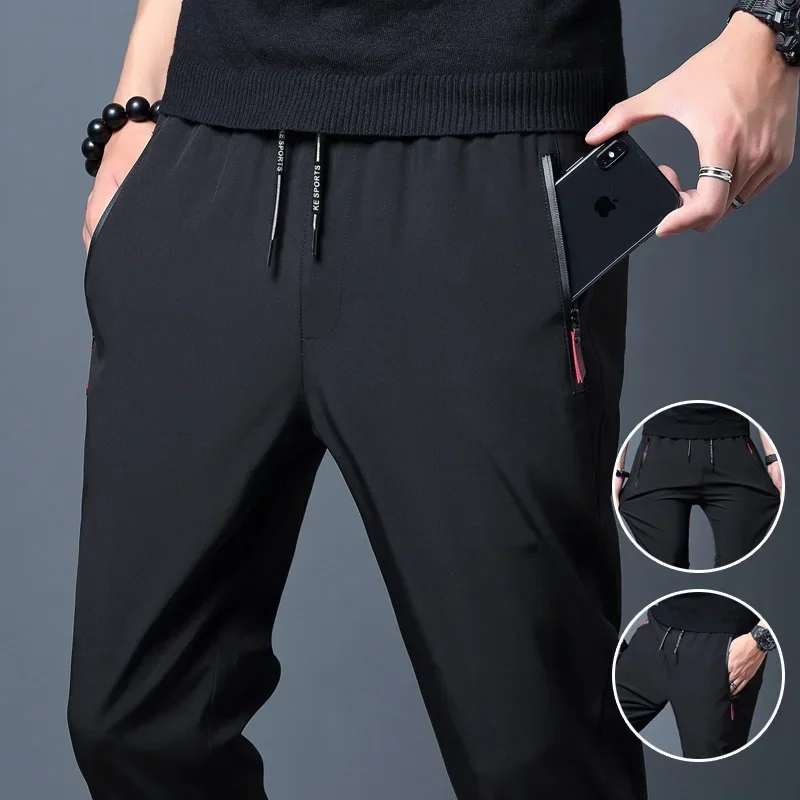
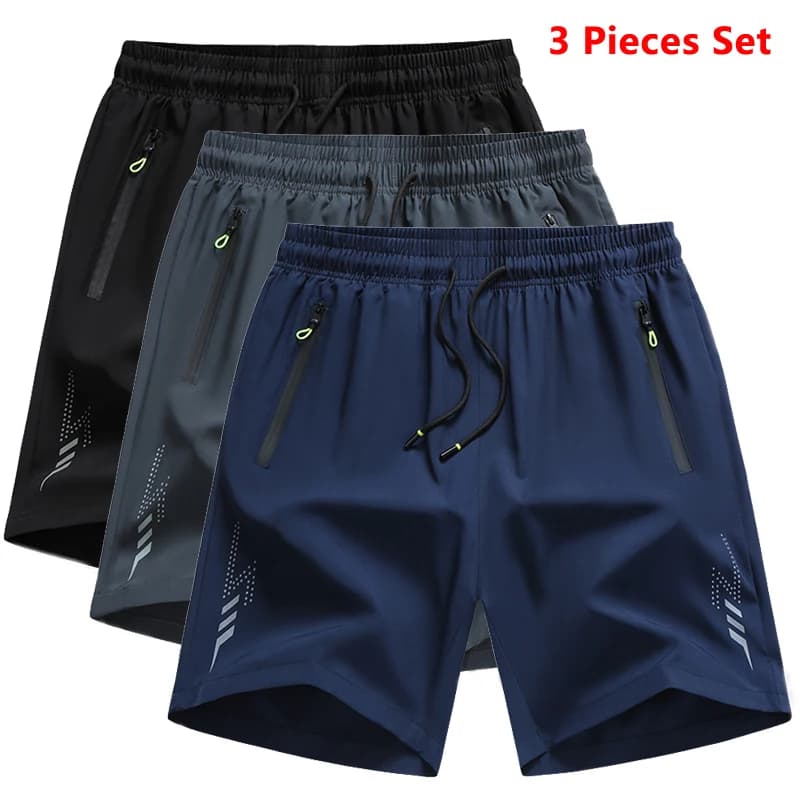
The Men's Running Shorts (£26.99) nail the basics. Lightweight woven polyester that dries fast, a built-in brief liner that prevents chafing, a zip pocket at the back for keys or a gel, and a 5-inch inseam that gives full range of motion without being too short. They weigh about 120g - light enough that you forget about them after the first kilometre.
Fabric: polyester, nylon, or a blend?
Polyester is the workhorse of running shorts. It wicks moisture, dries in minutes, and costs less than nylon. The trade-off is that cheap polyester can feel plasticky and holds odour more than natural fibres. Look for a woven (not knitted) polyester - woven fabric is lighter, more breathable, and less likely to cling when you sweat.
Nylon is softer and more durable but absorbs more water and takes longer to dry. A polyester-nylon blend (roughly 80/20) gives you the best of both - the quick-dry performance of polyester with the softer hand-feel of nylon. The Running Shorts use a lightweight woven polyester that performs well across a range of conditions, from hot summer track sessions to humid gym workouts.
Liners, pockets, and the features that actually matter
A built-in brief liner is the single most important feature for comfort on runs longer than 5K. It replaces underwear, reduces friction, and wicks sweat away from the area that needs it most. Without a liner, you either wear underwear (which bunches and chafes) or go without (which has its own risks). These shorts include a mesh brief liner that breathes well and stays in place.
Pockets are the second must-have. You need at least one secure zip pocket for a key or gel - nothing ruins a run faster than your house key bouncing against your thigh for 10K. A rear zip pocket (like the one on these shorts) keeps the weight centred and the contents secure. Some runners also appreciate a small internal pocket for a credit card or emergency cash.
Length: 5-inch, 7-inch, or split shorts?
Inseam length is personal preference, but each length suits different running styles. A 5-inch inseam (like these) hits mid-thigh and gives maximum freedom of movement - ideal for speed work, racing, and hot weather. A 7-inch inseam offers more coverage and suits longer, slower runs or runners who prefer a modest cut. Split shorts (with a side split up the outer seam) are the lightest and airiest option but leave more skin exposed.
For most runners doing a mix of training - some fast, some slow, some gym - a 5-inch inseam is the sweet spot. It is short enough to stay out of the way during strides and long enough that you don't feel exposed at the gym. If you are unsure, start with 5 inches and adjust from there.
Featured in this article
Frequently asked questions
Should I wear underwear with running shorts that have a liner?
No - the built-in liner is designed to replace underwear. Wearing both adds bulk, increases friction, and defeats the purpose of the moisture-wicking liner. The liner provides support and reduces chafing on its own.
What length running shorts are best for racing?
Most racers prefer a 3-5 inch inseam for maximum freedom of movement. Split shorts are the lightest and fastest option but are less versatile for training. A 5-inch short splits the difference - race-ready without being overly revealing.
How do I stop running shorts from riding up?
Riding up is usually caused by shorts that are too loose in the leg opening or too tight across the hips. Look for a pair with a slightly tapered leg opening and a secure waistband. The built-in liner also helps by providing a second layer that stays in place.
Can I wear running shorts for gym workouts?
Yes - lightweight running shorts work well for most gym exercises including squats, deadlifts, and machine work. The only time you might want dedicated gym shorts is for exercises with a lot of floor contact (like hip thrusts), where a slightly thicker fabric is more comfortable.
Product gallery
Further reading