

Photochromic Anti-Radiation Glasses Under £30: Are They Worth It?
You've seen them everywhere - glasses that turn into sunglasses when you step outside. But do affordable photochromic lenses actually block blue light and reduce eye strain? Here's what the technology does, who benefits most, and whether a £17 pair holds up.
SHOPTHIVA Editors
What photochromic lenses actually do
Photochromic lenses contain molecules that change shape when exposed to UV light, causing the lens to darken. Step outside into sunlight and they tint within 30-60 seconds. Step back indoors and they clear up. It's the same technology used in Transitions-branded prescription lenses - just without the £100+ price tag.
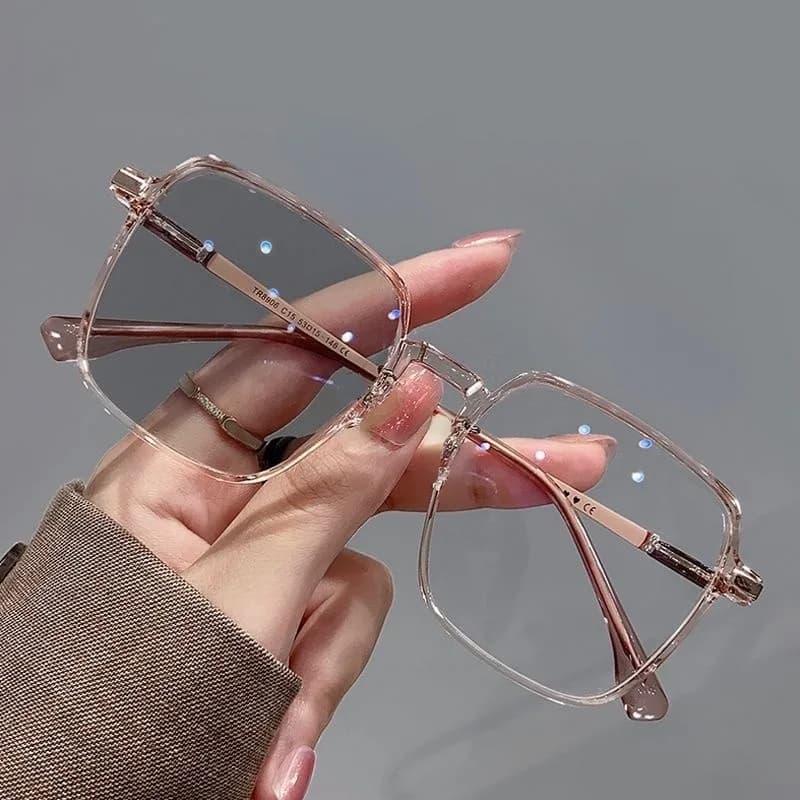
The Photochromic Anti-Radiation Glasses (£14.99) pair this with a blue-light filtering coating. The metal frame keeps them lightweight, and the anti-radiation layer is designed to reduce glare from screens - useful if you spend hours in front of a monitor. They are not prescription glasses, but they can be fitted with prescription lenses by an optician if needed.
Who should buy these (and who should skip)
These glasses make the most sense for anyone who moves between indoor and outdoor environments throughout the day. If you work near a window, commute on foot, or spend half your day at a screen and half outside, a single pair that adapts saves you from carrying two.
They are also useful if you experience eye strain from screens. Blue light filtering is not a magic cure - the American Academy of Ophthalmology notes that digital eye strain is more about how we use screens than the light itself - but reducing glare and improving contrast can make long screen sessions more comfortable.
Skip these if you need a strong prescription (they are non-prescription out of the box), or if you primarily need sunglasses for driving - most photochromic lenses do not darken fully behind a car windscreen because the glass already blocks UV.
How they compare to prescription photochromic lenses
Prescription Transitions lenses from a high-street optician typically cost £80-£150 on top of the frame. The photochromic technology is fundamentally the same - UV-activated molecules in the lens. The difference comes down to tint speed (premium lenses transition faster), colour options (grey, brown, green vs usually just grey at budget level), and durability of the coating.
At £14.99, the Photochromic Anti-Radiation Glasses give you about 80% of the functionality for 15% of the price. The tint may take a few seconds longer to change, and the anti-radiation coating won't last as many years as a premium pair - but for the cost of two takeaway coffees, the value proposition is clear.
Five frame colours and what they suit
These glasses come in five frame options - black, silver, gold, gunmetal, and brown. Black and gunmetal are the safest choices for a professional setting; they look like standard office glasses. Silver and gold lean slightly more fashion-forward and photograph well. Brown has a warm, vintage feel that suits casual wear.
The metal frame construction is lightweight (typically around 25-30g), which matters if you wear them for 8+ hours. Heavier acetate frames can leave marks on the bridge of your nose; these are unlikely to. All five options come with the same photochromic blue-light lens as standard.
Care tips to keep the coating intact
The anti-radiation and photochromic coatings are applied as layers on the lens. Clean them with a microfibre cloth - never paper towels or your shirt, which can cause micro-scratches that degrade the coating over time. Use lens cleaning spray, not household glass cleaner (the ammonia in window cleaner strips coatings).
Store them in a case when not in use. Leaving them face-down on a desk is the fastest way to scratch the lens. With basic care, budget photochromic glasses typically last 1-2 years of daily use - at which point replacing them still costs less than a single pair of premium Transitions lenses.
Featured in this article
Frequently asked questions
Do photochromic glasses block blue light from screens?
Yes - these glasses include an anti-radiation coating that filters a portion of blue light (typically around 30-40% in the 400-450nm range). They won't eliminate blue light entirely, but they reduce glare and improve contrast during long screen sessions.
How fast do the lenses change from clear to dark?
Expect 30-60 seconds to fully darken in direct sunlight and 2-5 minutes to clear when you come indoors. Premium prescription photochromic lenses are slightly faster, but the difference for everyday use is negligible.
Can I get prescription lenses fitted into these frames?
Yes - any optician can fit prescription lenses into these frames. Bring the frames to your eye test and ask them to glaze the frames with your prescription. The photochromic feature is in the supplied lenses only; your new prescription lenses won't have it unless you specifically order photochromic prescription lenses.
Will these work for driving?
No - most car windscreens block UV, and photochromic lenses require UV to darken. They won't tint behind the windscreen. For driving, you need dedicated prescription or non-prescription sunglasses.
Product gallery
Further reading