



Photochromic Glasses for Summer: Do They Actually Work for Driving and Screen Use?
Photochromic glasses promise to be your everyday glasses and sunglasses in one. We look at whether they actually work for summer driving, screen use, and outdoor wear, or if you need separate pairs.
SHOPTHIVA Editors
What photochromic glasses actually do
Photochromic lenses darken in UV light and clear up indoors. That is the simple version. The more accurate version is that they respond to UV radiation specifically, which creates some situations where they work brilliantly and others where they do not work at all.
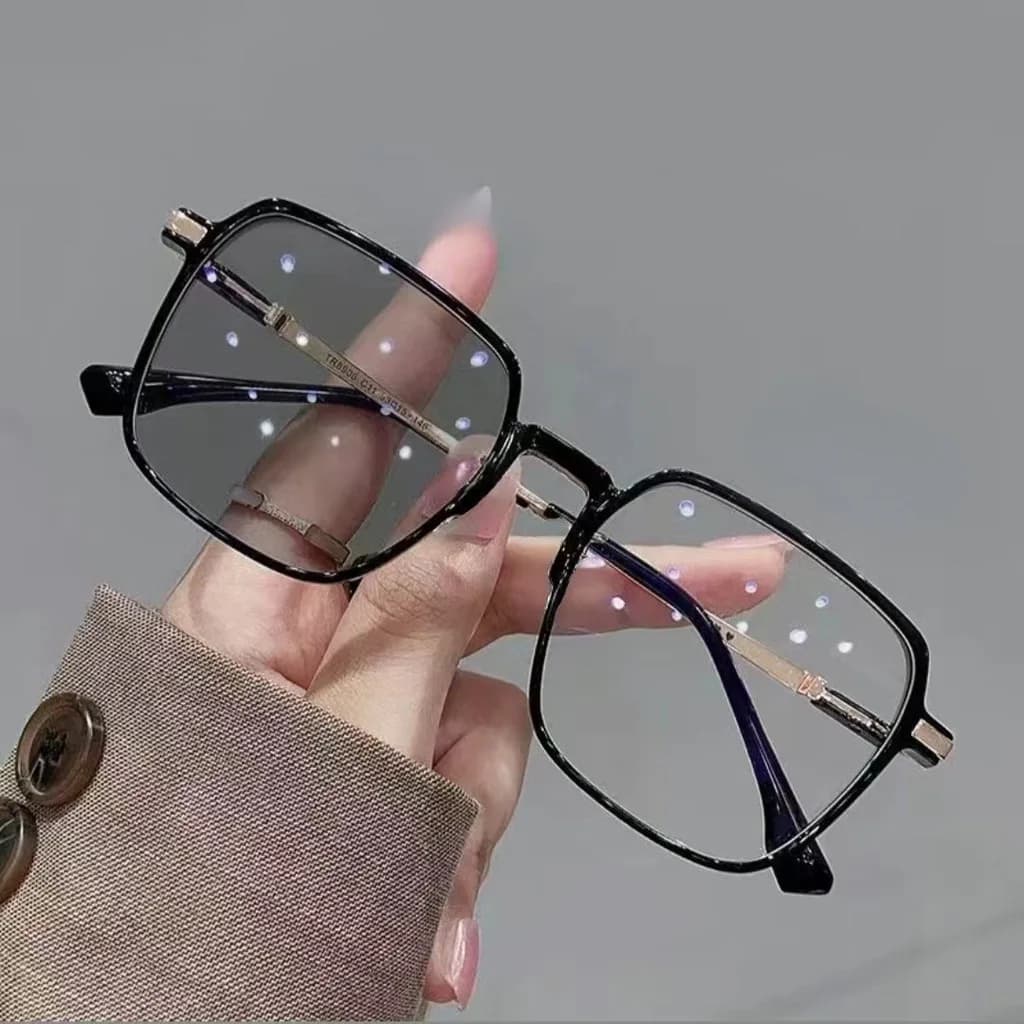
Outdoors in direct sunlight, photochromic lenses darken within 30-60 seconds to a shade that is roughly equivalent to a medium-tinted pair of sunglasses. They reduce glare and protect your eyes from UV rays. Step indoors or into shade, and they clear back to nearly transparent within 2-3 minutes.
The Photochromic Anti-Radiation Glasses at £14.99 combine two functions: the photochromic lens for outdoor use, and an anti-radiation coating that filters blue light from screens. This dual function is what makes them interesting for summer, when you are constantly moving between bright outdoor light and indoor screen time.
The driving problem: why they do not darken in the car
Here is the thing most people do not realise until they buy a pair: most car windscreens block UV light. Because photochromic lenses respond to UV, not visible light, they barely darken behind a car windscreen. You will get a slight tint, but not the full sunglass effect you want when driving into low sun.
This is not a flaw in the product, it is a physics issue. If you need glasses specifically for driving in bright sun, you still need a dedicated pair of sunglasses with a fixed tint or polarised lenses. Photochromic lenses are excellent for walking, cycling, and outdoor activities, but they are not a replacement for driving sunglasses.
The anti-radiation coating is where these glasses earn their place for drivers. Even if the photochromic function does not activate fully in the car, the blue-light filtering coating reduces glare from the dashboard, GPS screen, and oncoming headlights. This makes them useful for driving even without the full tint activating.
Screen use: where the anti-radiation coating matters
The anti-radiation coating on these lenses filters a portion of blue light emitted by screens. This does not 'protect your eyes from radiation' in the way the marketing sometimes implies, but it does reduce the visual fatigue that comes from long periods of screen use, particularly in the evening when you want your eyes to start relaxing for sleep.
If you work on a computer during the day and scroll your phone in the evening, the anti-radiation coating provides a subtle but noticeable reduction in eye strain. The effect is similar to Night Mode on your phone, but it applies to all screens without needing to activate a setting on each device.
Combined with the photochromic function, this means one pair of glasses handles three scenarios: outdoor sunlight (photochromic tint activates), indoor screen time (anti-radiation coating works), and indoor non-screen time (lenses are clear). The question is whether the convenience of one pair outweighs the compromise in each scenario.
One pair vs two pairs: the honest trade-off
If you wear prescription glasses, photochromic lenses are a reasonable all-in-one solution because you need glasses anyway and carrying one pair is easier than two. The photochromic function works well for walking and outdoor activities, and the anti-radiation coating works for screen time. The only gap is driving in bright sun.
If you do not wear prescription glasses and are choosing between photochromic glasses and a pair of sunglasses, the answer depends on how much time you spend indoors versus outdoors. If you spend most of your day at a screen, the anti-radiation function is the primary benefit and the photochromic tint is a bonus for your commute and lunch break.
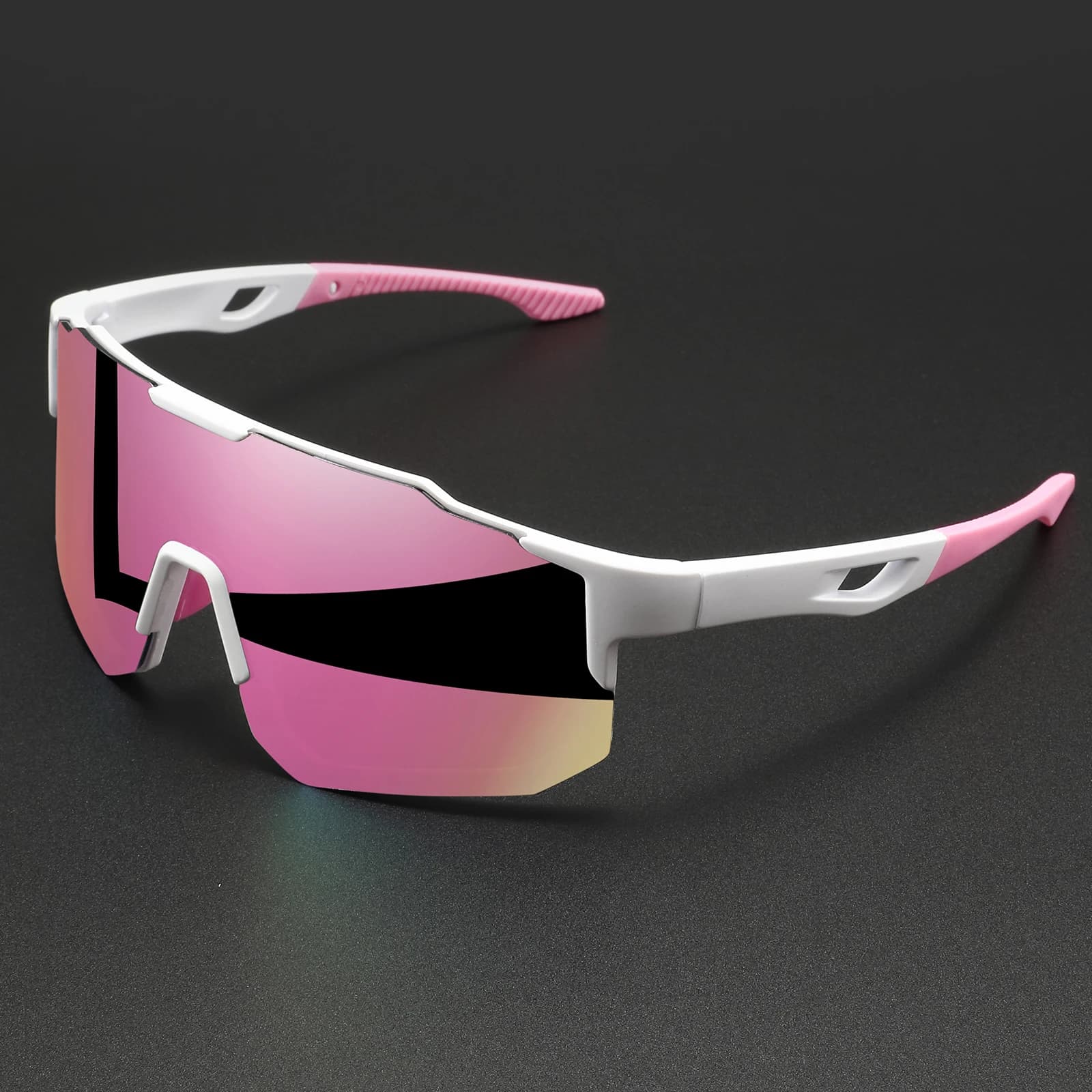
At £16.99, these are inexpensive enough to be a supplement rather than a replacement. Use them as your everyday screen glasses and keep a pair of dedicated sunglasses in the car for driving. Two pairs that each do their job well beats one pair that does both jobs adequately.\n\nRelated reading: Photochromic Anti-Radiation Glasses Buying Guide · Oversized Sports Sunglasses Buying Guide
Featured in this article
Frequently asked questions
Do photochromic glasses work for driving?
Partially. Most car windscreens block UV light, which prevents photochromic lenses from fully darkening. You get a slight tint but not full sunglasses. For driving in bright sun, use dedicated sunglasses instead.
How long do photochromic lenses take to darken and clear?
They darken within 30-60 seconds in direct UV light. They clear within 2-3 minutes when you go indoors. In very cold weather, they darken faster and clear more slowly.
Do anti-radiation glasses really reduce eye strain?
Yes, moderately. Blue-light filtering reduces the visual fatigue from extended screen use, particularly in the evening. The effect is similar to Night Mode on your phone but applies to all screens without needing to change settings.
Can I wear photochromic glasses all day?
Yes. The lenses are nearly clear indoors, so they function as regular glasses for screen use and close-up work. Outdoors, they darken to a medium tint. The transition is gradual enough that it does not cause disorientation.
Product gallery
Further reading