
How to Choose Running Shoes That Actually Fit Your Stride
Most running shoes feel fine for the first 400 metres. It is mile four that tells the truth. The right pair should protect your joints, match how you actually run, and still feel good when your form starts to fade.
Fit first, features second
A thumb's width of space between your longest toe and the end of the shoe. That is the rule. Feet swell as you run, sometimes by half a size. A cramped toe box causes black toenails long before it causes anything useful.
The heel should lock in with zero slip. The midfoot should feel secure but never pinched. If you are between sizes, size up. A slightly roomier shoe with thicker socks beats a too-tight shoe every time.
Cushioning: more is not always better
Short fast runs reward a firmer, lower-to-the-ground shoe that keeps you connected to the road. Long easy miles reward softer, taller cushioning that spares your legs on every landing.
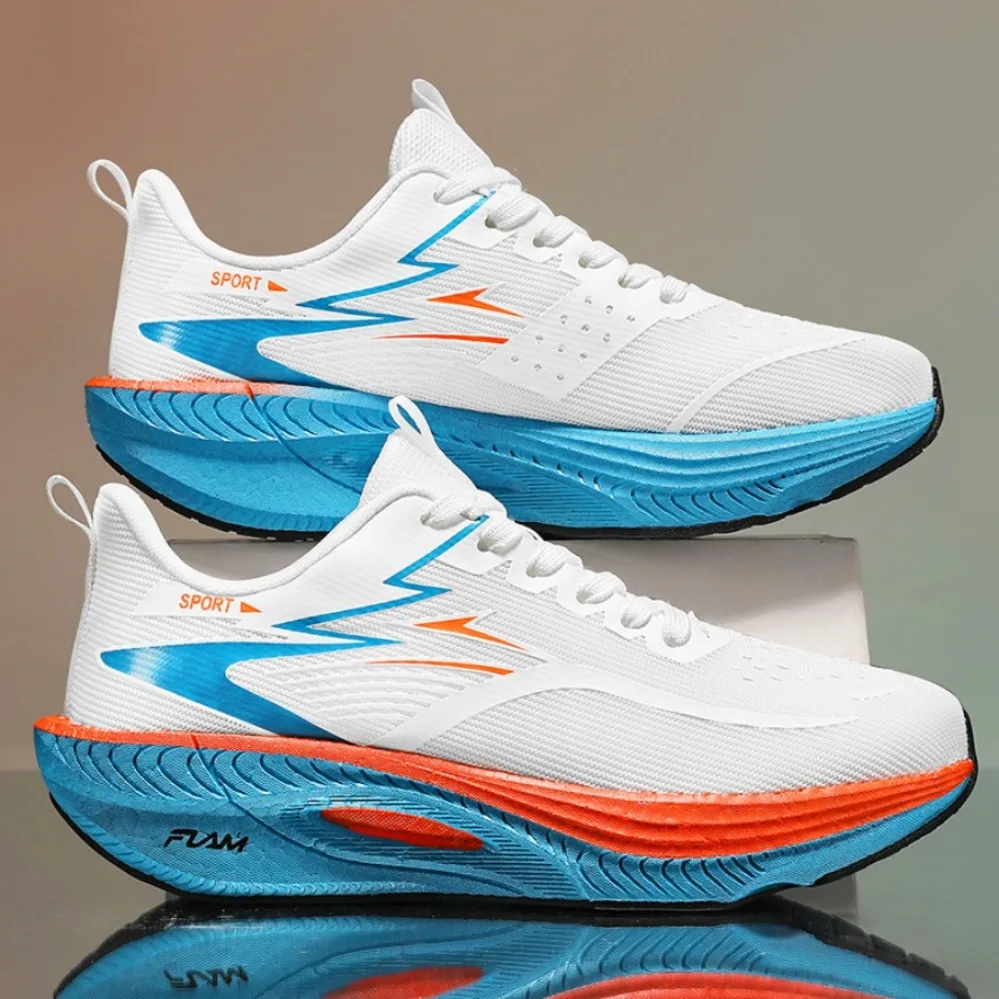
If you only own one pair, a balanced daily trainer with moderate cushioning covers the widest range. From a Tuesday 5k to a Sunday long run. Our selection includes breathable mesh uppers and grippy rubber outsoles.
The carbon plate question
Carbon-plated shoes return energy on every stride. They genuinely make hard efforts feel smoother. But they shine brightest on race day and fast workouts, not everyday jogs.
For most runners, a well-cushioned trainer will serve you far more often than a race shoe you save for one Sunday a month.
Featured: {np(s)}. £{pp(s):.2f}. Carbon board with air cushioning for responsive road running. See it at /products/{sp(s)}.
Also: Toddler Shoes Breathable Knitted Kids Sneakers Boys Slip-on Tennis Gir (£24.99) and Men' Slippers EVA Hole Mens Mules Non-Slip Thick Soft Platform Slide.. (£27.99). Both built for marathon-distance comfort.
Ready to shop with this in mind?
Browse all running shoesFrequently asked questions
How long do running shoes last?
Most road shoes last 500-800 km. Watch the midsole: when the cushioning feels flat and your legs feel every landing, it is time.
Should running shoes be tight or loose?
Snug at heel and midfoot, roomy at toes. About a thumb's width in front of your longest toe. If your heel slips, try a runner's loop lacing.
Can I use running shoes for the gym?
For treadmill and light cross-training, yes. For heavy squats and deadlifts, switch to a flat, firm-soled shoe.
More guides
- Massage Gun Buying Guide: What Actually Matters
- How to Style a Sequin Dress Without Looking Like a Disco Ball
- How to Choose a Laptop Stand That Improves Your Setup
- How to Choose a Winter Coat That Actually Keeps You Warm
- Sunglasses Buying Guide: UV Protection, Lenses & Fit
- How to Pack a Carry-On Like Someone Who Travels Often
- How to Build a Skincare Routine You Will Actually Follow
- How to Choose Wireless Earbuds: Sound, Fit & Battery
- How to Choose Bed Sheets: Thread Count Is Not What You Think
- How to Find Jeans That Actually Fit: A No-Fluff Guide
- How to Choose a Handbag That Works for Your Actual Life