
Massage Gun Buying Guide: What Actually Matters
A percussion massage gun can loosen tight muscles and speed up recovery. But the spec that dominates listings (peak wattage) is the one that matters least. Here is what to look for, what to ignore, and how to use one safely.
Amplitude and stall force
Amplitude is how far the head travels in millimetres. 10-12 mm reaches deep into muscle. Budget guns at 6-8 mm feel like vibration, not percussion. If it does not displace muscle, it is a toy, not a recovery tool.
Stall force is how much pressure the motor takes before stopping. Higher means it keeps working when you lean in. Treat peak wattage as marketing. A 30W motor with 10 mm amplitude beats a 50W motor with 6 mm.
Battery, noise, and what you will notice
Look for at least 2 hours of real battery life with USB-C charging. Weight matters. Anything over a kilogramme gets tiring on your own back. 700-900 g is the sweet spot.
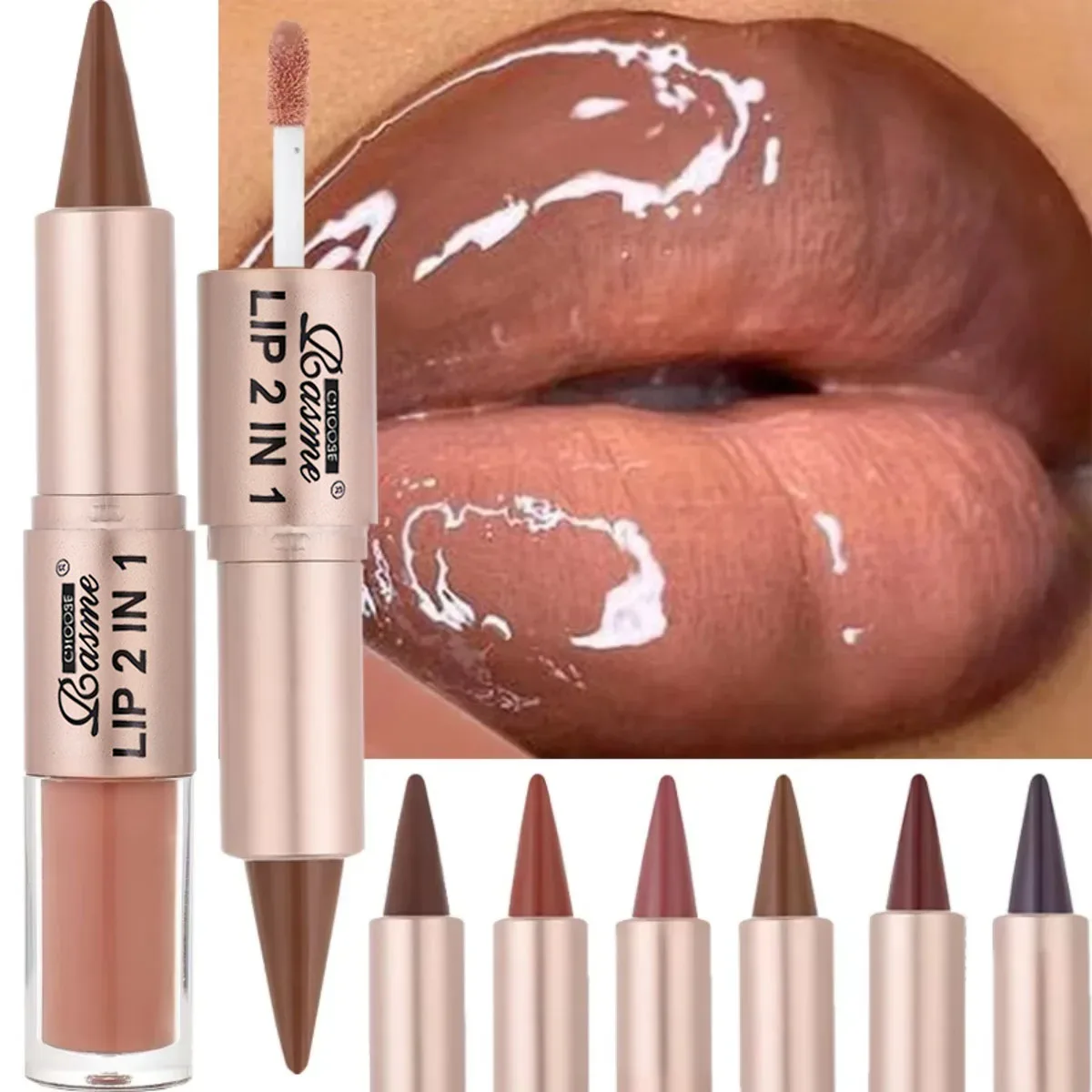
Try: 2IN1 Tapered Gradient Lipliner Pen Nude Brown Mirror Glass Lip Gloss M. £14.99. Portable, rechargeable, quiet. See it at /products/2in1-tapered-gradient-lipliner-pen.
Ready to shop with this in mind?
Shop wellness & recoveryFrequently asked questions
Can a massage gun replace stretching?
No. It complements stretching. Use the gun to release tight spots, then stretch the loosened muscle.
How long per spot?
30-60 seconds per muscle group. Longer is not better. It can cause bruising or nerve irritation.
Where should I avoid using one?
Never on bones, joints, the front of the neck, or over fresh injuries. If it hurts, stop.
More guides
- How to Choose Running Shoes That Actually Fit Your Stride
- How to Style a Sequin Dress Without Looking Like a Disco Ball
- How to Choose a Laptop Stand That Improves Your Setup
- How to Choose a Winter Coat That Actually Keeps You Warm
- Sunglasses Buying Guide: UV Protection, Lenses & Fit
- How to Pack a Carry-On Like Someone Who Travels Often
- How to Build a Skincare Routine You Will Actually Follow
- How to Choose Wireless Earbuds: Sound, Fit & Battery
- How to Choose Bed Sheets: Thread Count Is Not What You Think
- How to Find Jeans That Actually Fit: A No-Fluff Guide
- How to Choose a Handbag That Works for Your Actual Life