
8 July 2026
Automatic Hair Curler Buying Guide: Do Rotating Stylers Really Work?
Automatic hair curlers look like magic, but the technology is straightforward. Here's how rotating curling tools work, what features actually matter, and how to get salon-worthy curls without heat damage.
Quick takeaways
**Ceramic and tourmaline barrels** distribute heat more evenly than bare metal, reducing hot spots that damage hair. **Adjustable temperature is essential** — fine hair needs 150–170°C, thick hair 180–200°C. **Timer settings control curl tightness** — 6–8 seconds for loose waves, 10–12 seconds for defined curls. **Always use heat protectant** and let curls cool in your hand to set the shape.
How an automatic hair curler works
An automatic hair curler — sometimes called a rotating styler — uses a motorised barrel that draws a section of hair in and wraps it automatically, holding it at a set temperature for a programmed time before releasing a curl. The idea is to remove the manual skill of wrapping hair around a traditional curling iron, which is where most people struggle with inconsistent results or burned fingers.
The heating element is typically ceramic or tourmaline-coated. Ceramic heats evenly and distributes infrared heat, which is gentler on the hair shaft than the direct heat of a bare metal barrel. Tourmaline adds negative ions, which help reduce frizz by neutralising the positive charge in dry, flyaway hair. Together, these materials mean you can curl at a lower temperature and still get a defined result.
What to look for when buying an automatic curler
Temperature control is the most important feature. Hair types respond differently to heat: fine hair needs 150–170°C, while thick or coarse hair may need 180–200°C. A curler with adjustable heat settings lets you tailor the temperature to your hair, reducing the risk of heat damage. The American Academy of Dermatology recommends keeping hot tools below 200°C for fine hair to prevent breakage.
Timer settings are the second must-have. A longer timer (10–12 seconds) creates tighter, longer-lasting curls; a shorter timer (6–8 seconds) gives loose waves. Look for a curler that lets you adjust both the temperature and the curl direction — alternating directions give a more natural, less uniform look. For more beauty and skincare tools, browse our beauty and health collection.
How to use an automatic curler without damaging your hair
Start with completely dry hair. Curling damp or wet hair with a heated tool causes steam inside the hair shaft, which can split the cuticle. Apply a heat protectant spray or serum first — this creates a barrier that reduces moisture loss and keeps the cuticle smooth.
Section your hair into small pieces (about 2cm wide). Automatic curlers work best with small sections; overloading the barrel causes tangles and uneven curls. Hold the curler vertically near the section, let the barrel draw the hair in, and wait for the beep before releasing. If your hair is fine or prone to damage, start at 160°C and increase only if the curls do not hold.
Common mistakes and how to fix them
The most common mistake is skipping heat protectant. Even a ceramic barrel at 180°C will cause cumulative damage over months if you curl bare hair regularly. The second is curling too much hair at once — the barrel motor can only handle a small section, and overloading it leads to jams and uneven results.
If curls drop within an hour, your temperature may be too low for your hair type, or you are not letting the curl cool before releasing it. The 'cool-down' phase is what sets the curl — once the hair is released, cup it in your hand for a few seconds to let it cool in shape. For alternative beauty tools that don't use heat, see our beauty and health range.
Curling different hair types: fine, thick, and everything in between
**Fine hair:** Keep the temperature between 150–170°C and use the shortest timer (6–8 seconds). Fine hair curls easily but drops quickly, so finish with a light-hold hairspray. Never use the highest heat — it will fry fine strands fast.
**Thick or coarse hair:** Go up to 180–200°C with the longest timer (10–12 seconds). Section smaller than you think — about 1cm wide pieces feed through the barrel best. Thick hair needs more heat and dwell time to form a curl that actually holds.
**Curly or textured hair:** Use a lower temperature to avoid doubling down on heat damage. The automatic curler defines existing curls evenly. Work in very small sections for the most uniform, polished result.
Alternatives to heated curling: heatless methods
If you're worried about heat damage — or just want to give your hair a break — heatless curling methods have become surprisingly effective. Silk curling ribbons, flexi-rods, and overnight socks-method curls all produce results without any heat exposure. The trade-off is time: heatless methods need 6–8 hours (overnight) versus 15 minutes with a curler.
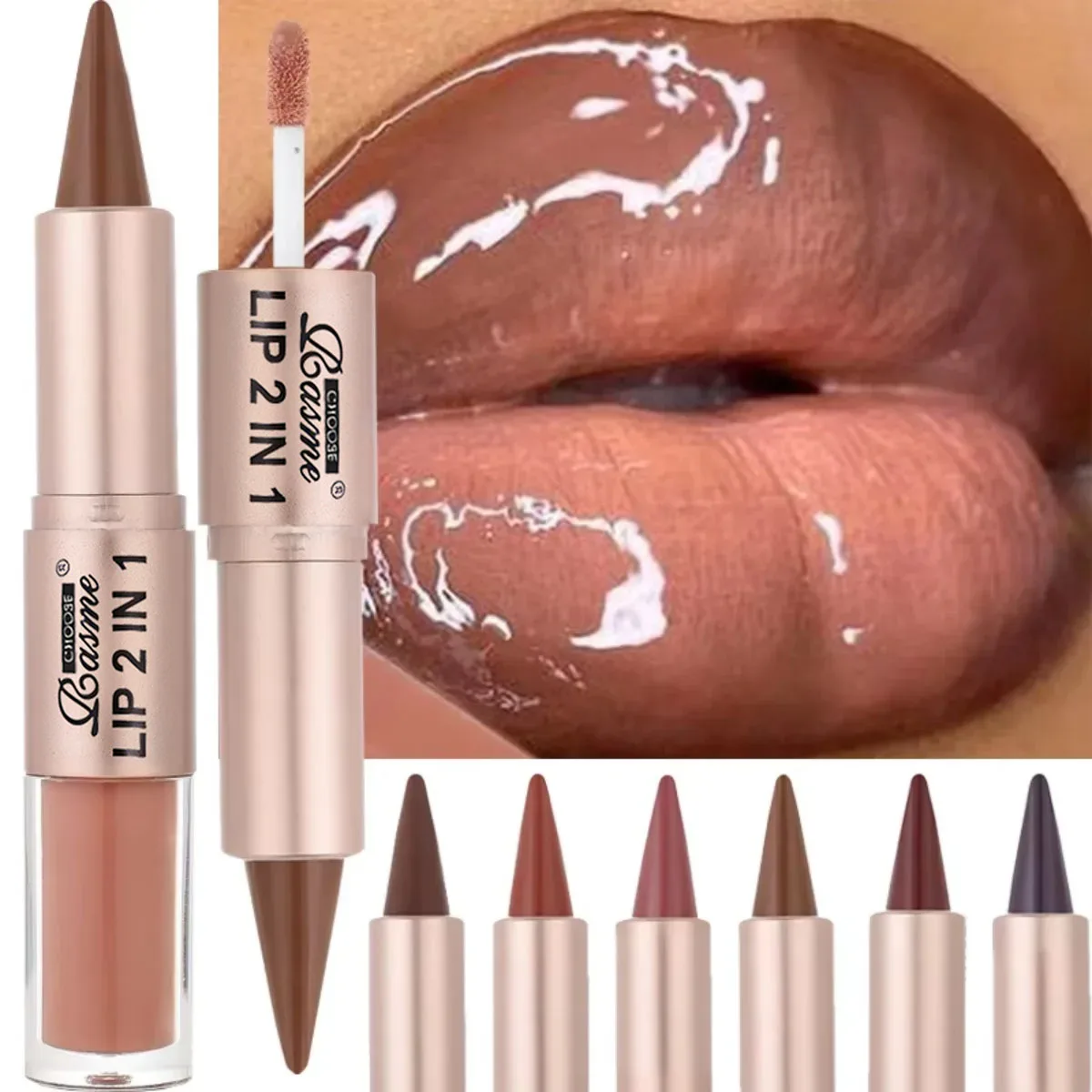
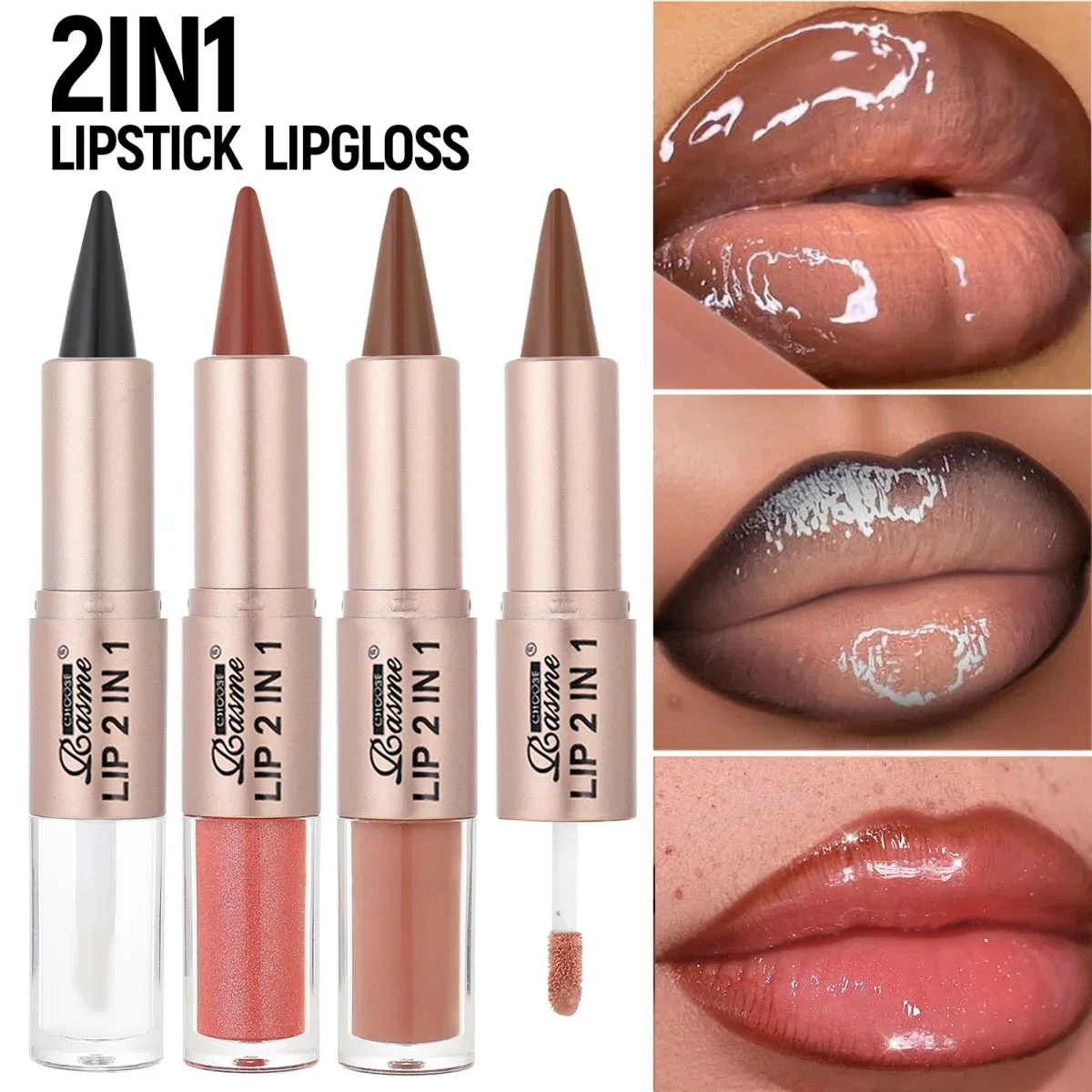
For a complete beauty routine, pair your styling tools with quality makeup. The 2-in-1 Tapered Gradient Lipliner Pen (£14.99) is a versatile addition — it works as both a lip liner and a lipstick thanks to its gradient tip, making it perfect for travel or gym bags. Find it in our beauty and health collection.
Why beginners should choose an automatic curler over a traditional wand
A traditional curling iron makes you wrap the hair, hold it at the right tension, time it in your head, and release without tangling. That is three variables you control manually — and most people burn their fingers at least once while learning.
An automatic curler removes every one of those variables. The motor draws hair in evenly, wraps it at consistent tension, heats to a precise temperature, and beeps when the timer is up. For anyone who struggles with uneven curls or wants to cut their styling time in half, an automatic curler is a genuine upgrade — and at budget-friendly prices, it makes that upgrade surprisingly accessible.
Featured in this article
Frequently asked questions
Do automatic hair curlers work on short hair?
Yes, if your hair is at least 15cm (about 6 inches) long. Shorter hair does not wrap enough times around the barrel to form a curl. For bobs or shorter styles, a traditional curling iron or wand gives better control.
Will an automatic curler damage my hair?
Any heated tool can cause damage if used at too high a temperature or without heat protectant. Keep below 180°C for fine hair, always use a heat protectant, and let the curler heat up fully before use for even heat distribution.
How long do curls from an automatic curler last?
With the right temperature and a cool-down period, curls typically last 6–8 hours. Fine hair may need hairspray to hold, while thicker hair holds curls longer naturally. Alternating curl direction gives a more natural look that tends to last longer.
What's better: ceramic or tourmaline barrels?
Both are good. Ceramic heats evenly and is gentle on hair. Tourmaline adds negative ions that reduce frizz — ideal for thick, frizz-prone hair. If you have fine, smooth hair, ceramic alone is sufficient. For frizz-prone hair, look for tourmaline-infused ceramic.
Product gallery
Further reading