
Seamless Yoga Leggings: What Actually Matters When Buying a Pair
Seamless yoga leggings are everywhere, but the wrong pair goes see-through in a squat. Here's how to choose leggings that are comfortable, squat-proof, and built to last - without spending a fortune.
SHOPTHIVA Editors
Quick takeaways
Fabric blend is everything - look for 70-80% nylon with 20-30% elastane for durability and stretch. 200+ GSM (fabric weight) is the threshold for squat-proof opacity. Double-layer waistbands stay put; single-layer ones roll down. Cold wash, air dry - heat kills elastane and is the #1 reason leggings go baggy. Size up if between sizes - seamless knit is already compressive.
What 'seamless' actually means (and why it matters)
Seamless leggings are knitted on a circular knitting machine, meaning there are no sewn seams along the sides or inner legs. The result is a garment with fewer friction points, which reduces chafing during movement and creates a smoother silhouette under clothes. This construction method also allows for targeted compression zones - tighter around the waist, more flexible around the hips - without the bulk of stitched panels.
The main trade-off is that seamless garments are harder to alter or repair. If a thread snags, it can unravel more easily than a seamed garment. That said, for yoga, pilates, and gym sessions, the comfort advantage is significant - and modern seamless knitting has improved durability dramatically in recent years.
Fabric: the difference between leggings that last and leggings that pill
The fabric blend is the single most important factor. Look for a mix of nylon (or polyamide) and elastane (also called spandex or Lycra). Nylon provides durability and a soft hand-feel, while elastane gives the stretch and recovery you need for yoga. A good blend is around 70-80% nylon and 20-30% elastane. Avoid cheap polyester-dominant blends - they feel fine new but pill and lose shape quickly.
The other key metric is GSM (grams per square metre), which indicates fabric weight. Anything below 180 GSM risks being see-through in a deep squat. If you want squat-proof leggings, look for 200+ GSM or a double-layer construction. For quality activewear that handles intense training, browse our sports and outdoors collection.
Waistband and fit: high waist vs mid waist
High-waist leggings have become the default for good reason. A wide, high waistband stays in place during inversions and forward folds, gives gentle core compression, and creates a flattering line from waist to ankle. If you are between sizes, size up - seamless leggings are already compressive, and a too-small pair will dig in and restrict movement.
Check the waistband construction too. A single-layer waistband rolls down; a double-layer one stays put. The 'butt lifting' effect you see marketed is usually a combination of a high waistband and strategically placed compression zones in the glute area - it is not a gimmick, but it is also not magic. It comes down to how the fabric is knitted, and you can read more about compression garments and how they work.
Matching your leggings to your workout
Not all seamless leggings are equal for every activity. For yoga: look for a high waistband and moderate compression - you need freedom of movement, not maximum squeeze. A nylon-elastane blend with 4-way stretch handles everything from downward dog to pigeon pose. For weight training: thicker fabric (250+ GSM) with firm compression gives you support during squats and deadlifts, and the squat-proof opacity means you can train with confidence.
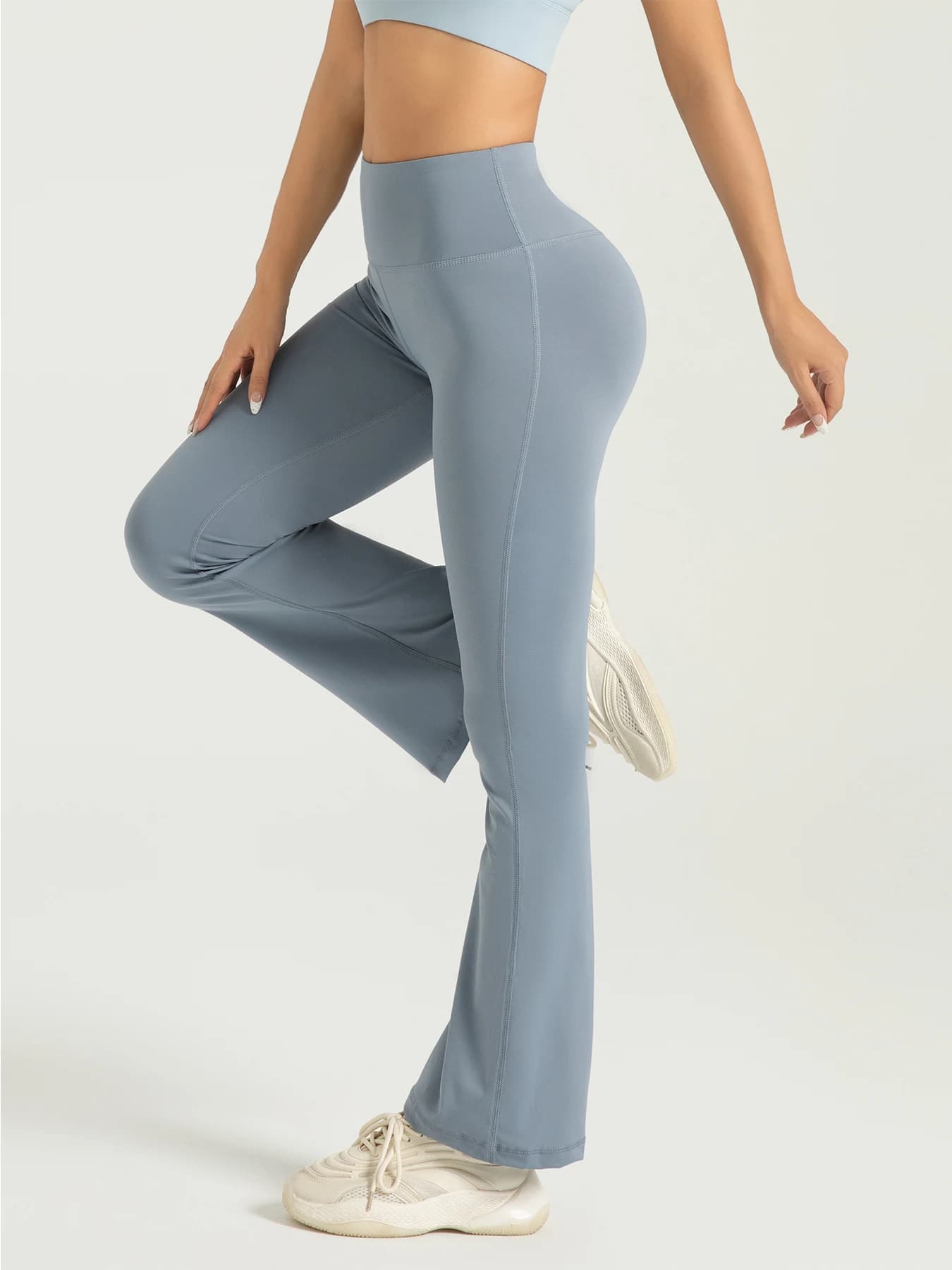
For running: look for a wider waistband (5cm+) and a rear pocket for your phone. Seamless leggings can work for low-impact running, but dedicated running tights offer more reflective detailing. The High Waist Seamless Leggings (£21.49) cover all of these scenarios with a nylon-elastane blend and butt-lift design. Browse more in our women's activewear range.
Care tips to keep leggings squat-proof and in shape
Wash leggings inside out on a cold or 30°C cycle. Heat breaks down elastane over time, which is why hot washes are the number one cause of leggings going baggy. Avoid fabric softener - it coats the fibres and reduces moisture-wicking performance, which matters if you also wear them for workouts.
Air dry rather than tumble dry. Tumble drying is the fastest way to kill elastane and cause pilling. If you take care of them, a good pair of seamless leggings will last 1-2 years of regular wear - at budget prices, that is excellent value per wear. For more activewear care and training tips, see the NHS guide to yoga and our sports and outdoor collection.
Featured in this article
Frequently asked questions
Are seamless leggings squat-proof?
It depends on the fabric weight. Look for 200+ GSM or a double-layer construction. Cheaper thin knits will go sheer in a deep squat. Always test by bending over in good lighting before wearing them to the gym.
Do high-waist leggings roll down during yoga?
A properly fitted high-waist legging with a double-layer waistband should not roll down. If yours do, you may need to size up or look for a wider waistband (4cm or more).
Can I wear yoga leggings for running?
Yes, if they have enough compression and a secure waistband. Seamless leggings with a nylon-elastane blend work well for low-impact running, though dedicated running tights offer more reflective detailing and pocket options.
How do I stop my leggings from pilling?
Wash inside out on a cold cycle (30°C or lower), avoid fabric softener, and never tumble dry. Pilling is caused by friction and heat - washing leggings with rough fabrics (like towels or jeans) also accelerates it. Wash them with similar soft fabrics.
Product gallery
Further reading