
Best Men's Slippers Under £25: What Actually Makes a Good Pair?
A good pair of slippers is one of the most underrated purchases you can make. Here's what separates a comfortable, durable pair from one that goes flat in a month - and why the difference often comes down to materials, not price.
SHOPTHIVA Editors
Quick takeaways
Materials matter more than brand. A cotton upper with an EVA outsole will outlast a synthetic one at the same price point. Wrap-heel design keeps heat in and the slipper on your foot - no more heel-slap noise across the kitchen floor. Plush lining (not just thin fleece) makes the difference between 'fine' and 'I look forward to putting these on.' Sizing is not the same as shoes - slippers need a relaxed fit with room for toes to spread naturally.
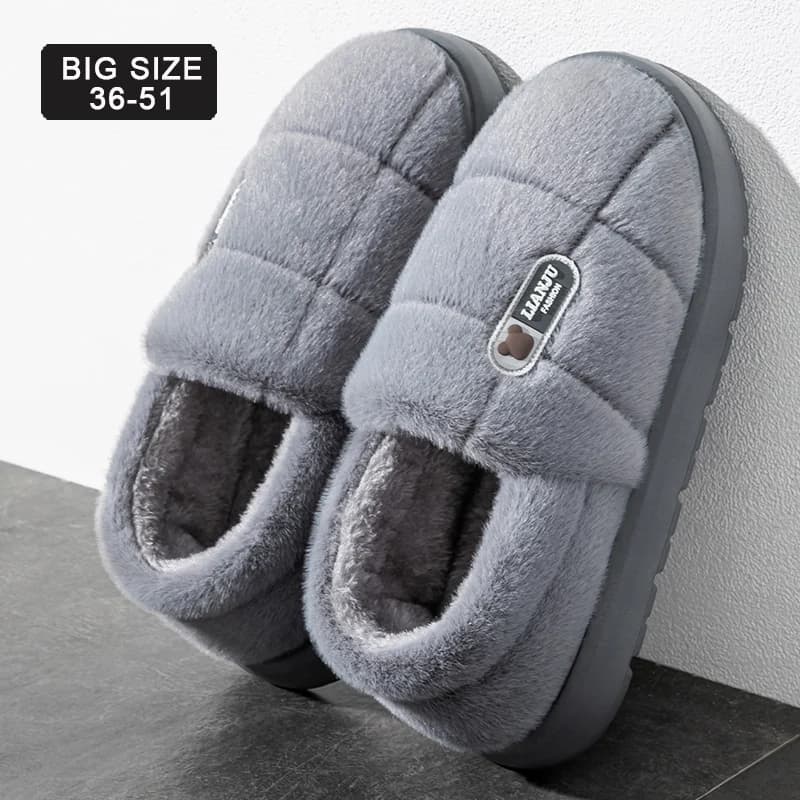
The Men's Solid Colour Plush Wrap-Heel Slippers at £17.99 tick all of these boxes, which is why we're highlighting them as a genuinely well-built budget pair. You can browse more options in our home and living collection.
What makes a good pair of house slippers?
A slipper has three jobs: keep your feet warm, stay on while you walk, and last longer than a single winter. Sounds simple, but most pairs fail at least one. The problems are usually material-related - synthetic uppers that don't breathe, insoles that pack down into paper-thin cardboard, and soles that turn slippery the moment they touch a tile floor.
The fix is in the construction. A cotton upper breathes - this matters more than you think, because trapped heat in a non-breathable fabric turns into sweat, and sweat turns into odour. An EVA outsole grips smooth floors without marking them, and unlike cheaper foam, it resists compression over months of daily wear. The plush lining is the comfort layer, and you want it deep enough that your foot sinks in rather than sitting on top.
Wrap-heel vs open-back: which is better?
Open-back slippers (the classic mule shape) are easy to slide on and off but have a fundamental design flaw: your heel lifts with every step, which means your toes instinctively grip the front to keep them on. That gripping motion fatigues your foot over time and wears out the toe area of the slipper faster.
A wrap-heel design like the one on our featured slippers solves this by cupping the heel. The slipper stays with your foot instead of flapping behind it - quieter, more stable, and genuinely better for your feet. If you have hardwood or tile floors, the difference is night and day. No more heel-slap, no more tripping when you turn too quickly, and markedly better insulation around the entire foot.
Materials breakdown: cotton uppers and EVA soles
The upper is what you see and feel most. Cotton is the best budget choice - it is soft, breathable, and does not trap heat the way polyester fleece does. Polyester uppers are cheaper to manufacture, but they pill quickly and lose shape after a few washes. The Men's Solid Colour Slippers (£8.99) use a cotton upper, which is unusually good at this price. Most £5-£10 slippers cut corners with synthetic blends.
The outsole is equally important. EVA (ethylene-vinyl acetate) is a closed-cell foam used in running shoes and orthopaedic sandals. It is light, flexible, and - crucially - non-slip when dry. Cheap slippers use a thin rubber coating that wears smooth in weeks. A proper EVA sole with a tread pattern grips tile and laminate without scuffing, and it cushions each step rather than transmitting impact straight to your heel.
The insole is the third piece. Plush means a deep, soft pile that compresses under your foot and springs back when you take them off. Thin fleece insoles - common in the £5-£8 bracket - pack down permanently within a month and never recover. When the insole goes flat, you feel every seam in the floor. That is when most people replace their slippers.
How to size slippers correctly (it's not the same as shoes)
Slippers should fit larger than your regular shoe size - not tighter. Your feet spread when they relax, and a snug slipper defeats the purpose of wearing them in the first place. As a rule of thumb, leave about a finger's width of space at the toe, and make sure the wrap-heel does not dig in when you walk.
The featured slippers come in eight size bands from 36-37 up to 50-51, which covers virtually every foot. If you are between sizes, size up - the wrap-heel keeps them on, and you want the extra room for thick socks in winter. Quality slippers should feel like your feet are being hugged, not squeezed.
For men who spend long hours on their feet - whether at a standing desk at home or pottering around the house - the right slipper also offloads joint stress. The NHS recommends supportive indoor footwear for anyone with foot, knee, or hip discomfort, and a well-cushioned EVA sole contributes to that support far more than a flat, unstructured slipper.
Care tips to keep your slippers comfortable for a full season
Cotton slippers can usually be hand-washed or machine-washed on a gentle cold cycle. Avoid hot water - it shrinks cotton and can warp the EVA sole. Air dry only; tumble drying will soften the EVA and compromise the tread pattern. Most people get through a full autumn-to-spring season with a single pair, and proper care extends that comfortably.
A second tip: rotate two pairs if you wear slippers all day indoors. Giving each pair a day to air out and let the insole recover goes a surprisingly long way. It is the same principle behind rotating running shoes - materials decompress, moisture evaporates, and both pairs last longer than a single pair worn daily.
Browse more home comfort essentials - from heated insoles (£19.99) to soft cotton slippers and more - in our home and living collection.
When to replace your slippers (and why it matters)
Replace your slippers when the tread on the outsole is smooth - it usually goes first, and the moment grip is compromised, you are one wet kitchen floor away from a fall. The second sign is a permanently compressed insole that does not spring back. If you can feel the floor through the bottom of your slipper, the cushioning is gone and you are better off barefoot.
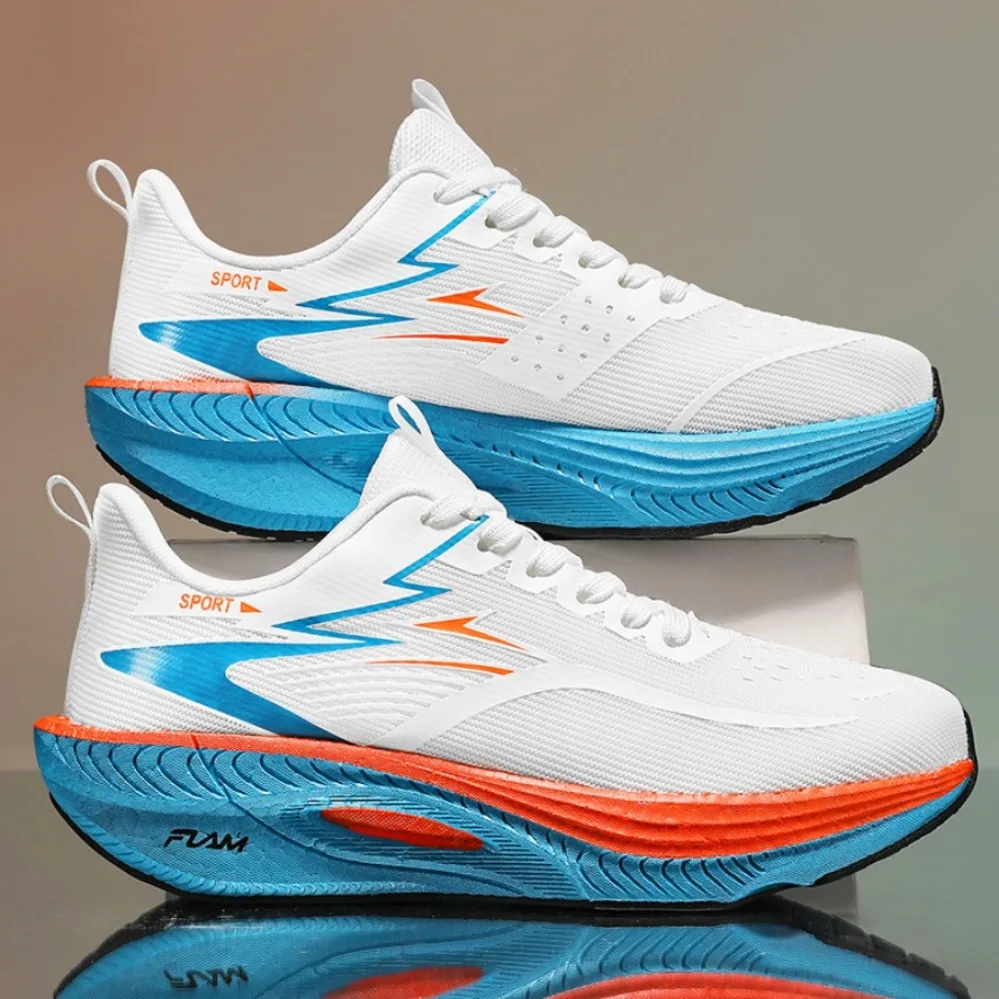
At £8.99 for a pair built with a proper EVA sole and cotton upper, replacing them once a year is a reasonable trade-off. Compare that with £40-£60 premium slippers that also last a single season before the lining flattens - you are paying for the brand name, not materially better construction. The whole point of an affordable slipper done right is that you can replace it guilt-free when it wears, rather than dragging out a spent pair because you spent too much on it. Related reading: Are Carbon-Plate Running Shoes Worth It Under £50? · How to Choose Men's Large Size Outdoor Hiking and
Featured in this article
Frequently asked questions
Should slippers fit tight or loose?
Slippers should fit looser than shoes - your feet spread when relaxed. Leave about a finger's width of space at the toe. A wrap-heel keeps them on, so you don't need a snug fit to stop them slipping off.
How long should a pair of slippers last?
A quality pair of cotton slippers with an EVA sole should last a full autumn-to-spring season of daily indoor wear - roughly 6 months. Rotating two pairs extends this significantly. Replace when the tread goes smooth or the insole no longer springs back.
What's better: cotton or synthetic uppers for slippers?
Cotton breathes and stays fresher over time. Synthetic fleece (polyester) is cheaper but traps heat and moisture, which leads to odour. At the same price point, cotton is always the better choice for something you wear for hours indoors.
Are cheap slippers a false economy?
It depends on materials, not price. A £9 pair with a cotton upper, EVA sole, and plush lining will outlast a £15 pair with synthetic fleece and a thin rubber sole. Judge the construction, not the number on the tag.
Product gallery
Further reading