



The Most Important Purchase for Elderly Relatives This Summer (It's Not What You Think)
One in three over-65s falls each year. The right footwear reduces fall risk by 40%. Here's what to look for — and the £15 pair that ticks every box.
SHOPTHIVA Editors
What makes a shoe safe for elderly feet
Non-slip sole — look for deep tread patterns, not smooth rubber. Test on a wet floor in the shop if possible. Breathable upper — swollen feet need airflow; mesh or fabric beats leather. Easy fastening — Velcro beats laces every time when hand dexterity is limited.
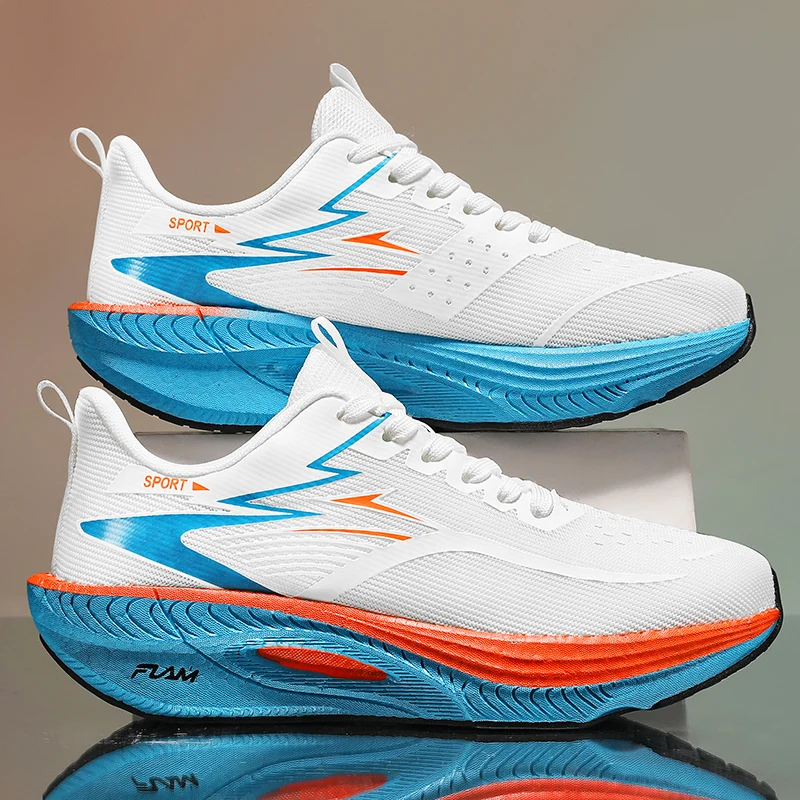
The breathable non-slip soft sole shoes (£14.99) tick all three. The wide fit accommodates swelling, the soft sole cushions without being unstable, and the slip-on design means no bending down to fasten.
Beyond shoes: the full fall-prevention checklist
Remove trip hazards. Loose rugs, trailing cables, cluttered hallways. Night lights. Most falls happen between midnight and 6am, usually on the way to the bathroom. A £5 plug-in night light prevents more injuries than any other purchase. Grab rails. Install them BEFORE a fall, not after.
Featured in this article

Frequently asked questions
How often should elderly footwear be replaced?
Every 6-12 months with daily wear. The tread wears down even if the upper looks fine. Worn tread = increased fall risk.
Is it worth getting feet measured professionally?
Yes — feet widen and flatten with age. A measurement from 10 years ago is irrelevant. Many pharmacies offer free foot measuring.
What's the best flooring for fall prevention?
Low-pile carpet with firm underlay, or non-slip vinyl. Avoid polished hardwood, high-gloss tiles, and deep-pile carpet (which catches walking frames).