



How to Choose Men's Compression Pants for Running, Gym and Football
Men's compression leggings can support training and recovery when the fit, fabric and use match your sport. Here is how to choose a baselayer that actually works.
SHOPTHIVA Editors
What compression pants actually do
Compression leggings are tight-fitting baselayers made from stretch knit fabrics that apply graduated pressure to the legs. The idea is to support muscles during movement and improve how blood and lymph fluid return from the lower legs back toward the heart.
Research on whether compression garments measurably boost performance is mixed, but there is more consistent evidence that they can reduce muscle soreness and perceived fatigue after hard training. For most people that is the real sell - comfort during a session and less heavy legs the next day.
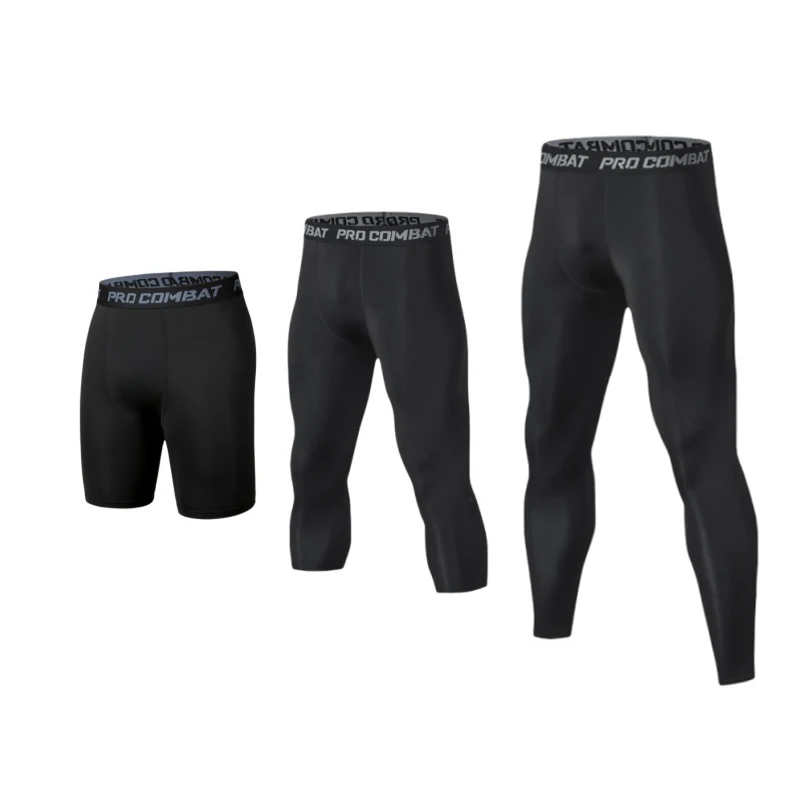
A good pair will not make you faster on its own, but it will stay put through a sprint, wick sweat, and feel like a second skin rather than a tourniquet. Our Men's Compression Pants Tights Cool Dry Leggings Sports Baselayer is built around exactly that brief.
Fit: snug, not strangling
Compression wear only works if it actually compresses, but there is a line between supportive and uncomfortable. The waistband should sit flat without rolling, the fabric should hug the thigh and calf evenly, and you should be able to squat without the seams digging in.
If you are between sizes, size up for recovery wear and stay true to size for during-sport use. A too-loose pair offers no compression benefit and will shift around; a too-tight pair restricts circulation, which defeats the purpose entirely.
Length matters too. Full-length tights give consistent compression from ankle to hip and suit cold-weather running and football. Three-quarter lengths are popular in the gym because they avoid bunching behind the knee during squats and deadlifts.
Check the seam placement before buying. Flatlock or four-needle seams lie flat against the skin and are far less likely to chafe over a long run than raised overlock seams.
Fabric: cool dry, sweat and durability
The fabric is what separates a baselayer you reach for every session from one that sits in a drawer. Look for a polyester-spandex or nylon-spandex blend with a high percentage of stretch fibre - typically 10 to 20 percent elastane - so the garment keeps its shape wash after wash.
Cool dry and moisture-wicking finishes pull sweat off the skin and spread it across the surface to evaporate. That keeps you drier than a basic cotton legging, which absorbs sweat and stays wet. This matters most for running and football, where you are moving for 45 to 90 minutes at a time.
Avoid 100 percent cotton for any session longer than a warm-up. It holds moisture, gets heavy, and chafes. A synthetic knit dries faster, weighs less, and handles repeated machine washing without losing stretch.
If you train outdoors in winter, a brushed inner surface adds a small amount of warmth without sacrificing breathability. For summer and indoor gym use, a lighter single-knit is cooler and more comfortable.
When to wear compression leggings
For running, wear them under shorts or alone in cold weather. They reduce thigh and calf oscillation on each footstrike, which is the main mechanism behind the reduced soreness users report after long runs and races.
In the gym, compression tights give you a clear sense of body position during squats, lunges and deadlifts, and they keep the bar from catching on loose fabric. They also layer cleanly under shorts if you prefer that look.
For football and rugby, full-length or three-quarter baselayers are standard under shorts. They add a thin protective layer against turf scrapes and hold shin guards in place without needing extra tape.
For recovery, pulling on a pair after a hard session or match and wearing them for an hour or two is a low-cost habit that many athletes find helps with next-day stiffness. The evidence is modest but the downside is essentially nil.
Are they worth it?
At around £23.99, a well-made pair of compression tights is one of the cheaper performance upgrades available. Compared with a premium running shoe or a gym membership, the cost per wear is very low, especially if you train three or more times a week.
The honest expectation: compression wear will not fix bad technique or replace rest, but it will make hard sessions more comfortable and may reduce post-training soreness. If you run, lift, or play a contact sport regularly, that is a reasonable return on a sub-£25 garment.
You can see the full spec and current price on the product page. It is a solid everyday baselayer rather than a medical-grade recovery garment - set your expectations accordingly and it does the job well.
Featured in this article
Frequently asked questions
Should I size up or down in compression leggings?
If you are between sizes, size up for recovery wear and stay true to size for during-sport use. A too-loose pair offers no compression, while a too-tight pair restricts circulation and defeats the purpose.
Can I wear compression pants for football?
Yes. Full-length or three-quarter compression baselayers are commonly worn under football shorts. They add a thin layer against turf scrapes and help hold shin guards in place without extra tape.
Do compression leggings improve running performance?
Evidence on raw performance gains is mixed, but studies and user reports are more consistent on reduced muscle soreness and perceived fatigue after hard runs. Think of them as comfort and recovery support, not a speed boost.
How do I wash compression sportswear?
Machine wash cold on a gentle cycle, avoid fabric softener because it clogs the moisture-wicking finish, and air dry or tumble on low. Heat and softener both break down elastane over time and kill the stretch.
Further reading