

Motorcycle Chain Locks Under £30: Can a Budget Lock Really Protect Your Bike?
Most motorcycle thefts happen at home, and a visible chain lock is your first line of defence. Here's what to look for in a budget chain, what you're trading off against a £100+ lock, and how to use one so it actually works.
SHOPTHIVA Editors
Quick takeaways
A visible chain lock cuts theft risk - opportunists look for easy targets, and a thick chain wrapped through the rear wheel tells them to move on. Chain thickness matters more than price - a 10mm hardened steel chain at £11 is harder to cut than a thin £40 cable lock. Locking technique is half the security - a chain that doesn't go through the frame or that rests on the ground can be defeated in seconds. No lock is unbeatable - every chain can be cut with the right tools, but a good one buys time and deters the opportunist, which covers most real-world theft scenarios.
What actually makes a chain lock effective
A motorcycle chain lock has three components: the chain itself, the lock mechanism, and the keys. The chain should be made of hardened steel - look for terms like 'manganese steel' or 'alloy steel' in the product description. Thickness matters too: a 10mm link is far more resistant to bolt cutters than a 6mm one. The hardness of the steel determines how long it takes an angle grinder to get through - every extra second matters.
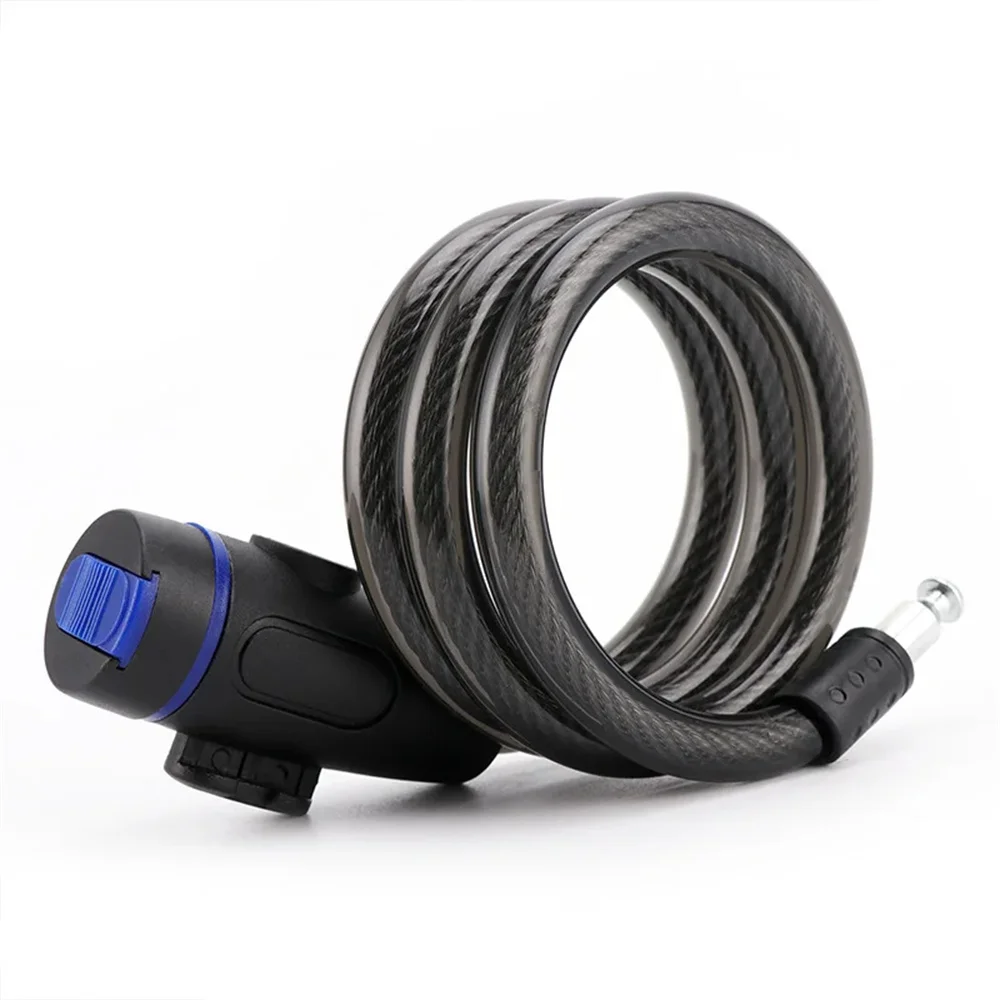
The lock body should resist picking and drilling. Even on budget locks, a disc-detainer or pin-tumbler mechanism with anti-pick pins offers reasonable protection. The two keys included with most chain locks are standard - keep one on your bike keys and the spare somewhere safe, because losing both means you're buying a new chain. The chain lock we stock - the Heavy Duty Motorcycle Chain Lock at £14.99 - uses a 90cm hardened steel chain with a secure key mechanism, giving you the fundamentals at a fraction of premium prices.
How to use a chain lock so it actually works
A chain is only as good as how you use it. Here are the rules that make the difference between a deterrent and a false sense of security:
Lock through the frame, not a wheel. Wheels can be unbolted. Always pass the chain through the motorcycle frame, the swingarm, or a solid mounting point - and ideally through both the frame and a rear wheel together. Anchor to something solid. A chain with nothing to lock to is just a heavy necklace. Use a ground anchor at home, or a lamp post/railing that can't be lifted over. Keep it off the ground. A chain resting on pavement is easier to sledgehammer or bolt-crop - the ground acts as an anvil. Loop it so the lock body hangs above the ground.
Don't leave it loose. A loose chain gives an angle grinder operator room to work. Wrap it tight - the less slack, the harder it is to get a cutting disc into the links. At home, pair the chain with a fitted motorcycle cover. It sounds minor, but a cover hides the bike's model and value, and adds another layer a thief has to deal with - often enough to make them move on. For more motorcycle and outdoor gear, browse our sports and outdoors collection.
Is a £10.99 motorcycle chain lock worth it?
If you're securing a £10,000 bike in central London overnight, no - buy a Pragmasis or Almax 16mm+ chain with a Diamond-rated lock, and pay for a ground anchor installation. But if you're parking a commuter bike at home, at work, or outside a café, a Heavy Duty Motorcycle Chain Lock at £14.99 is a solid first line of defence.
At 90cm, it's long enough to go through the frame and around most anchor points. The hardened steel links won't stop a determined angle grinder (nothing does), but they'll shrug off pliers, small bolt cutters, and the casual grab-and-go that accounts for a significant share of thefts. The two keys mean you have a spare, and the black finish won't draw attention. For less than the cost of a tank of fuel, it's one of the most cost-effective security upgrades you can make - and it's compatible with disc locks, alarms, and covers for layered protection. The British motorcycle community often repeats the same advice: the best lock is the one you actually use every time.
Featured in this article
Frequently asked questions
Can a budget chain lock really stop a thief?
A 10mm hardened steel chain won't stop an angle grinder - nothing does - but it will deter opportunists who rely on speed and silence. Most thefts are crimes of opportunity, and a visible chain makes your bike a harder target.
How do I know if a chain lock is strong enough?
Look for hardened steel construction and link thickness of at least 8mm. Avoid cable locks for primary security - they can be cut with hand tools. For insurance-approved security, look for Sold Secure rated locks, though these typically cost £50+.
Should I use a chain lock and a disc lock?
Yes - layered security is best practice. A chain lock anchors the bike to a fixed point, and a disc lock stops it being rolled away if the chain is defeated. Adding a cover hides the bike's value and adds another barrier.
How long should a motorcycle chain be?
90cm is a good minimum - it's long enough to pass through the frame and around a post or ground anchor. 120-150cm gives more flexibility for awkward parking spots, but adds weight. Measure your common parking situation before buying.
Product gallery
Further reading